Amid escalating tensions in recent weeks between Saudi Arabia and Yemen’s Ansarullah movement, Riyadh’s military attacks on civilians—which have resulted in numerous deaths and the destruction of residential areas—constitute war crimes; consequently, it is imperative that the UN Security Council refer the matter to the International Criminal Court (ICC).
Several political observers and international experts have likened the attacks on Yemen with the crimes committed by the Zionist regime against the people of Gaza. They argue that the ICC—having issued arrest warrants for Israeli regime’s prime minister Benjamin Netanyahu and then-war minister Yoav Gallant on charges of war crimes during the Gaza conflict—should impose similar punitive measures against those behind attacks on Yemen.
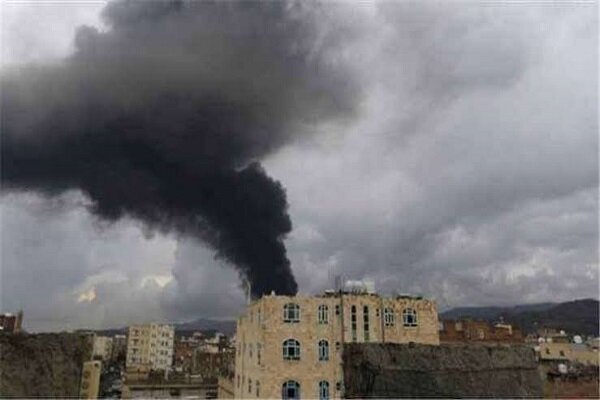
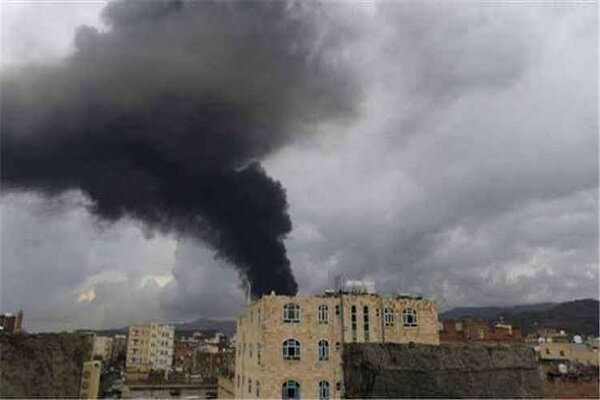
Reports from human rights monitoring bodies indicate that Saudi atrocities have intensified in recent days across Saada province—specifically in the Munabbih, Al-Qahr, Al-Zahir, Marran, and Al-Jabanah areas—constituting clear examples of war crimes against humanity that show no signs of abating. Beyond the Yemeni civilian population, African migrants have also been targeted by the Saudi military; following battlefield setbacks, Saudi Arabia is retaliating against civilians in border villages due to the continued resistance.
Given that Saudi Arabia’s actions stand in stark contradiction to the Geneva Conventions and other humanitarian laws, the UN Group of Eminent International and Regional Experts on Yemen announced in late September—without explicitly naming Saudi Arabia—that there were “reasonable grounds” to believe parties to the conflict in Yemen were responsible for gross human rights violations. The group also reiterated its call for the UN Security Council to refer the situation in Yemen to the International Criminal Court. This stance prompted Saudi Arabia to exert influence to terminate the experts’ mission; consequently, the renewal of the group’s mandate was rejected during the UN Human Rights Council session that October.
It is worth noting that for over seven years, Saudi Arabia has maintained a naval, aerial, and land blockade of Yemen and has bombed residential areas in an attempt to break the resistance of Ansar Allah; civilians—particularly innocent children—have fallen victim to attacks and airstrikes by Saudi forces. Indeed, the deliberate and conscious deprivation of Yemeni civilians of access to essentials such as water, food, medicine, and fuel constitutes a crime against humanity committed by the Saudi military.
According to statistics from “Entisaf,” an organization advocating for the rights of women and children, kids are among the victims of Saudi aggression, subjected to atrocities that include killings, detention, and denial of access to education and medical treatment.
Consequently, the number of children suffering from various disabilities and cancerous tumors has risen, with nearly 75,000 cases recorded. The report states that over 3 million children suffer from malnutrition, more than 300 children lose their lives daily, over 3,000 children suffer from congenital abnormalities, and more than 3,000 require open-heart surgery; furthermore, 2 million Yemeni children are out of school, and another half-million have completely dropped out of education since the onset of the Arab coalition’s aggression. The people of Yemen remember that on August 25, 2017, during a massacre in the Faj Attan neighborhood of southwestern Sana’a—perpetrated by the Saudi coalition—8-year-old Yemeni girl Buthaina lost her parents, uncle, and four siblings.
Condemning these atrocities, the National Organization for Human Rights in Yemen has held Saudi Arabia fully legally and criminally accountable for its crimes and their humanitarian consequences. It has called upon the international community to break its silence and take action to halt the aggression, lift the blockade, and ensure the protection of civilians.
MNA