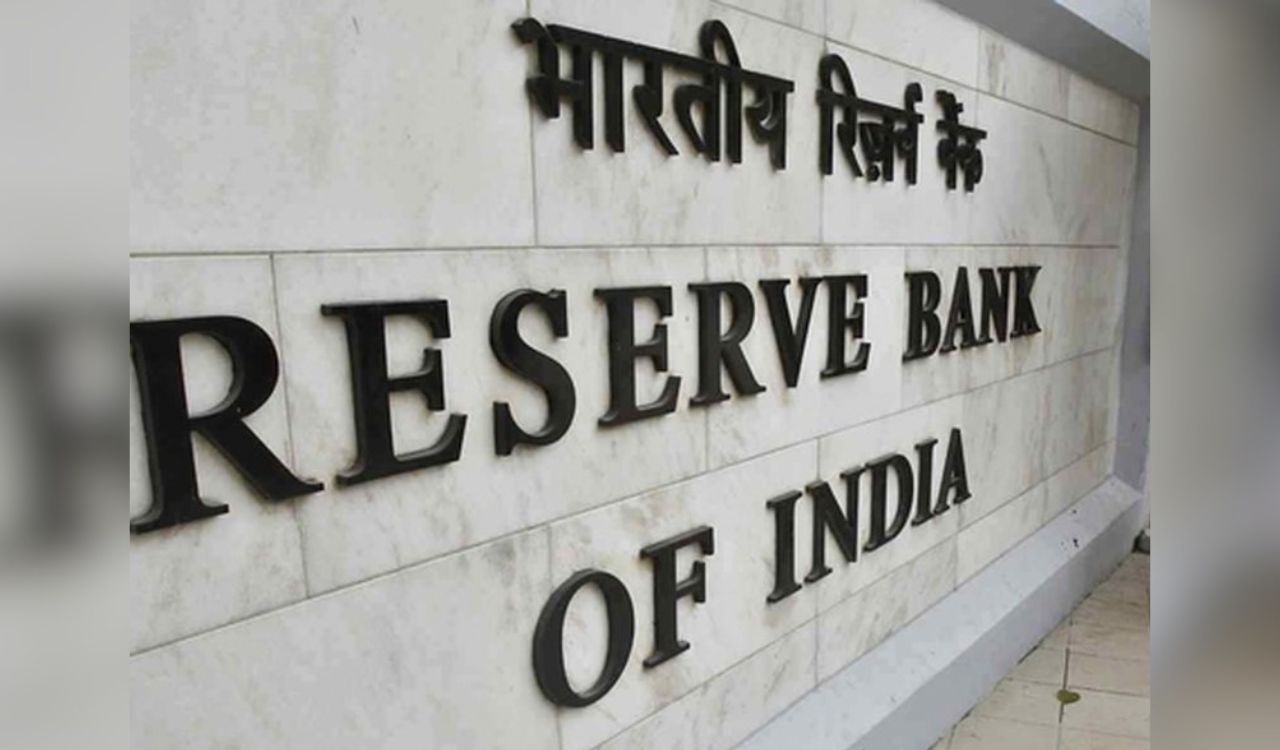
India’s government bond yield curve is expected to flatten further as the RBI withdraws surplus liquidity from the banking system. Analysts expect the five- to 10-year yield gap to narrow, with shorter-term yields facing upward pressure amid tighter liquidity conditions
Published Date – 5 October 2026, 02:41 PM
New Delhi: India’s government bond yield curve is expected to flatten further as the Reserve Bank of India steps up liquidity withdrawals, prompting some investors to favour 10-year paper over five-year paper, a report has said.
The report from NDTV Profit, citing analysts, said the gap between five- and 10-year yields is expected to shrink as the RBI drains surplus cash from the banking system, putting upward pressure on shorter-dated yields.
The five-year benchmark yield, trading around 6.94 per cent, could rise to 7 per cent if the central bank maintains an aggressive policy-tightening stance, the report cited ICICI Securities Primary Dealership as saying.
Analysts said the short end should see further flattening as the RBI steers overnight rates near or above the repo rate to ensure effective transmission. They expect the five- to 10-year gap could narrow to as little as 10 bps, and the curve could turn flat or mildly inverted if overnight rates move meaningfully above the repo rate.
Excess banking system liquidity has kept overnight borrowing costs below the policy repo rate, prompting the RBI to absorb cash through market operations. The operations are putting upward pressure on shorter-dated yields.
The central bank has already withdrawn over Rs 1 lakh crore, and the pace of further cash absorption, alongside any additional rate hikes, will determine the extent of yield curve flattening.
The Reserve Bank of India (RBI) began its three-day Monetary Policy Committee (MPC) meeting on Monday, with a policy decision due on Wednesday.
Markets are closely watching whether the RBI will raise the repo rate for the first time since February 2023. However, the central bank has kept the repo rate unchanged at 5.25 per cent.
The balance of risks has tilted decisively towards a 25-bps rate hike by the RBI at this juncture, as a combination of broadening inflationary pressures, worsening global macros, evolving liquidity conditions and a renewed global repricing of risks is making the case for pre-emptive action stronger, SBI Research said in a report.