Telangana is facing growing water stress after a deficient monsoon left reservoir storage sharply below last year’s levels. With 235 mandals declared drought-hit, the State faces mounting challenges over irrigation, drinking water, groundwater dependence and inter-State Krishna and Godavari water management
Published Date – 4 October 2026, 05:34 PM
Hyderabad: Telangana is facing growing water stress after a deficient 2026 southwest monsoon, with low reservoir storage, inadequate utilisation of available water and delays in irrigation projects adding to concerns over the State’s water security.
The 2026 southwest monsoon ended with Telangana recording a rainfall deficit of 17 per cent. Though the State remained in the India Meteorological Department’s ‘normal’ rainfall category, 18 of its 33 districts recorded deficient rainfall. Hyderabad also recorded a rainfall deficit of about 27 per cent.
The State Cabinet has declared 235 mandals drought-hit and decided to seek assistance from the Centre, citing drought conditions attributed partly to El Niño.
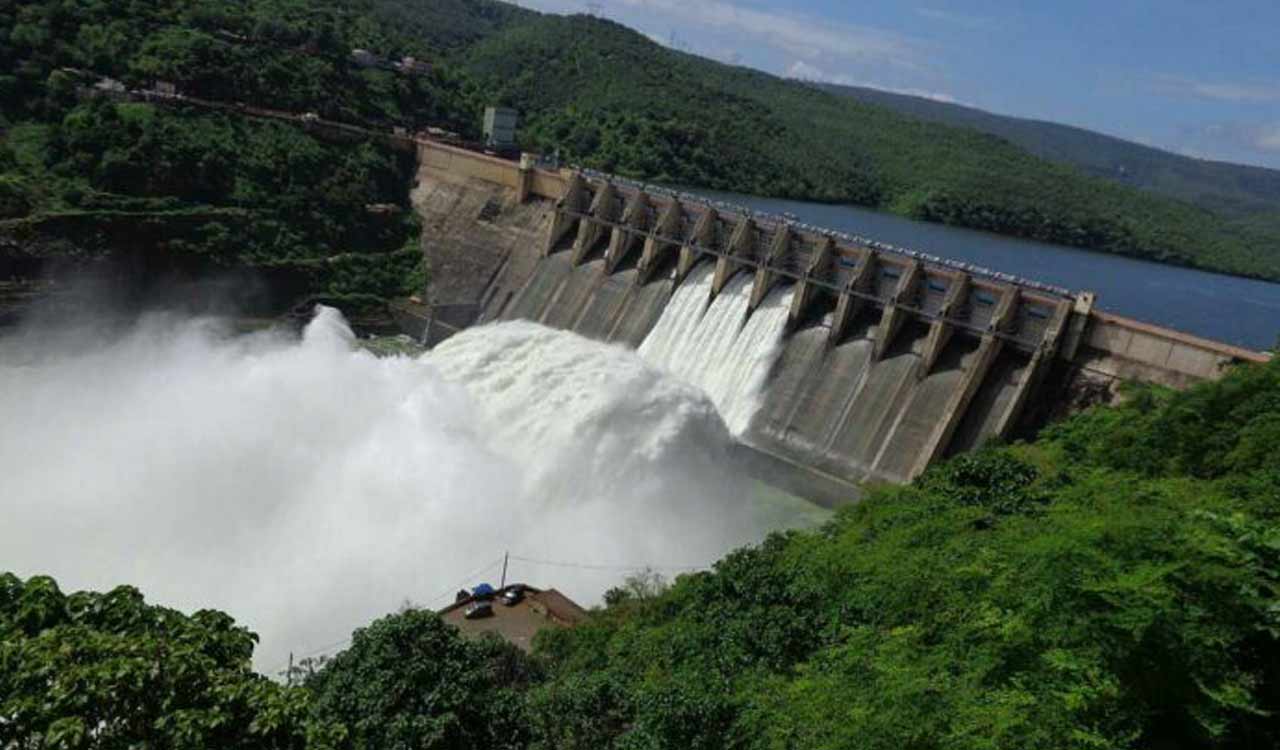
Reservoir storage has also declined sharply. The combined storage in reservoirs on the Krishna and Godavari rivers stood at 503.43 TMCft on September 30, compared with 834.92 TMCft on the same day last year, according to reported irrigation department data. Krishna basin reservoirs accounted for 323.37 TMCft, against 583.35 TMCft a year earlier, while Godavari reservoirs held 180.06 TMCft, compared with 251.57 TMCft last year.
Amid pressure from opposition parties and farmers over the operation of Kaleshwaram, Palamuru-Rangareddy and other lift irrigation schemes, the government stepped up efforts towards the end of the monsoon. It operated some lifts, including the Yellampally project on the Godavari, and secured water releases to the Jurala project from Karnataka.
The Krishna water-sharing dispute with Andhra Pradesh has also remained unresolved. Telangana has raised objections over withdrawals through the Pothireddypadu head regulator and other projects serving southern Andhra Pradesh and Rayalaseema. The State subsequently approached the Krishna River Management Board (KRMB) and the Centre, while Andhra Pradesh maintained that its withdrawals were within applicable allocations and permitted uses.
Andhra Pradesh has also opposed several Telangana projects, including the Palamuru-Rangareddy and Narayanpet-Kodangal lift irrigation schemes. The Narayanpet-Kodangal project, estimated to cost Rs 2,945 crore, is intended to irrigate about one lakh acres in Kodangal, Narayanpet and Makthal.
Telangana’s water management challenges have also been compounded by constraints in its irrigation infrastructure. The Kaleshwaram Lift Irrigation Scheme remains affected by damage to the Medigadda, Annaram and Sundilla barrages. The State government has finalised rehabilitation designs and plans to begin comprehensive repair works by mid-November, with the works targeted for completion before the 2027 monsoon, subject to technical clearances.
Other schemes have also faced operational constraints. The Devadula project, designed to irrigate 6.5 lakh acres, has come under scrutiny over pump operations and its ability to supply water to the intended command area. Areas such as Gadwal continue to face irrigation shortages despite substantial flows through the Jurala project.
Water scarcity has increased dependence on borewells, pushing electricity demand above 19,500 MW. Telangana’s peak power demand touched a record 19,543 MW in September, with officials attributing the rise in agricultural consumption partly to increased reliance on borewells amid deficient rainfall.
The 21st meeting of the KRMB, scheduled for October 1, was postponed at Telangana’s request because of the State Cabinet meeting. A fresh date has not yet been announced. The Godavari River Management Board meeting scheduled for August was also postponed following a request from Andhra Pradesh.
Concerns over drinking water availability have also intensified, with reports indicating that some systems could face shortages in the coming months as reservoir stocks decline.
The State government will now have to balance drinking water requirements, irrigation needs and inter-State water-sharing issues while preparing for the months ahead. The extent of the water stress will depend on reservoir management, groundwater availability and rainfall during the coming months.