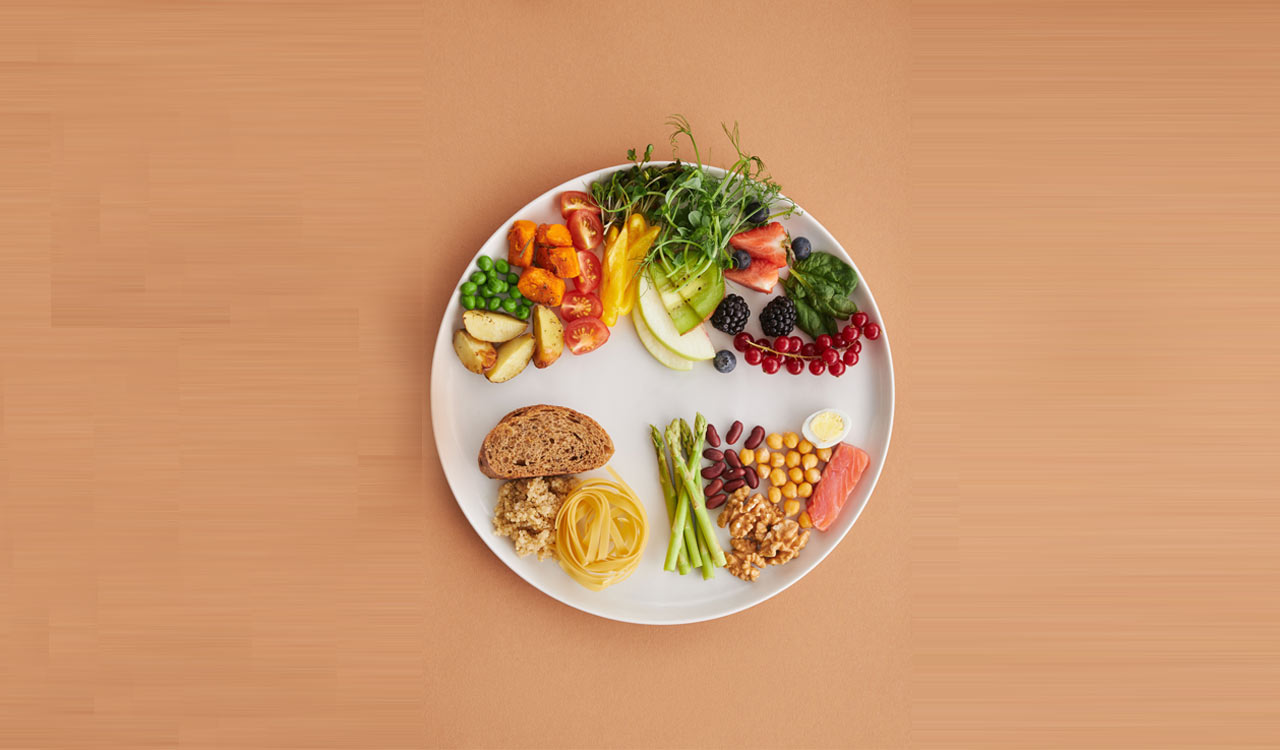
ICMR-NIN and WHO guidance emphasises breastfeeding, homemade complementary foods and dietary variety for infants and young children. Experts caution parents against unnecessary commercial supplements, while stressing that supplements may be medically indicated in specific cases under professional guidance.
Published Date – 2 October 2026, 03:56 PM
Hyderabad: From newborns to growing young children, national guidelines by nutritional research institutions and paediatricians agree on a simple rule that healthy kids only need real food and breast milk and not commercial supplements. Yet, despite the consensus, the size of India’s commercial supplement and infant nutrition market stands at Rs 56,500 crore and is projected to climb to Rs 87,000 crore.
Almost every day, across various media platforms, we come across new supplements launched specifically promising physical growth or replenishment of vital micronutrients among infants and growing toddlers. The less-informed gullible parents fall for such marketing gimmicks, without realising that the traditional homemade wholesome diets are enough for the natural growth of their child.
The Hyderabad-based ICMR-National Institute of India (ICMR-NIN), which is the premier nutrition research institution in India, in its Dietary Guidelines for Indians, strictly recommends exclusive breastfeeding for infants (first 6 months) from birth.
The NIN strictly advises early initiation of breast feeding within the first hour and the crucial inclusion of colostrum. No water, other liquids, or honey should be given, the guidelines make it clear.
From 6 months onwards, complementary feeding (in addition to breast milk) like home-prepared semi-solid foods should be introduced gradually alongside continued breastfeeding up to 2 years and beyond.
The NIN clearly advises the ‘Rotate and Variety’ rule, which means a balanced home diet should rotate seasonal fruits, incorporating small portions of vegetables at every meal, adequate protein-rich foods, and healthy fats, covering all the nutritional bases without artificial boosters.
Senior paediatrician and public health communicator, Dr Sivaranjani Santosh, recently took to X, cautioning parents from falling for such marketing gimmicks.
“Please do understand that there are very few indications for supplements in children. Do not get carried away by marketing gimmicks. There are very few indications for giving supplements to children, but supplements’ industry is one of the biggest markets targeting children. Irrational and misguided use has many dangers associated with it, as well,” she advised.
Public health experts point out that the aggressive commercial push of such supplements often preys on parental anxieties regarding child growth parameters and height milestones.
Specialists warn that the indiscriminate use of over-the-counter multi-vitamins and heavy protein blends can lead to metabolic imbalances, micronutrient toxicities, and early childhood obesity.
Key Recommendations on Child Nutrition
- Strictly maintain exclusive breastfeeding for the first 6 months of life without adding water, external liquids, or honey.
- Initiate safe, home-prepared semi-solid foods at 6 months while continuing breastfeeding up to 2 years and beyond.
- Avoid protein powders/commercial growth supplements for height, growth as balanced family foods sufficiently cover nutritional needs.
- Practice the ‘Rotate and Variety’ rule by including seasonal fruits, vegetables, whole grains, and appropriate local fats.
- Recognize that marketing gimmicks promising rapid physical or cognitive boosts lack scientific grounding and target parental anxieties unnecessarily.
- Salt and sugar must be strictly avoided in infant foods
- Sugary drinks and fruit juices should be discouraged
- Caregivers must wash their hands thoroughly with soap before preparing food or feeding the infant.
- Caregivers must feed infants patiently and actively, encouraging them without resorting to force-feeding.