The RIMS Adilabad fire has renewed concerns over safety and infrastructure in Telangana’s government hospitals. TGGDA has flagged maintenance gaps, staffing shortages and delayed Aarogyasri payments, and sought dedicated funds, safety audits, modern critical-care facilities and faster infrastructure upgrades.
Published Date – 22 September 2026, 05:50 PM
Hyderabad: Government medical infrastructure in Telangana is showing signs of crumbling under the pressure of non-maintenance, severe staffing shortages, and mounting patient load.
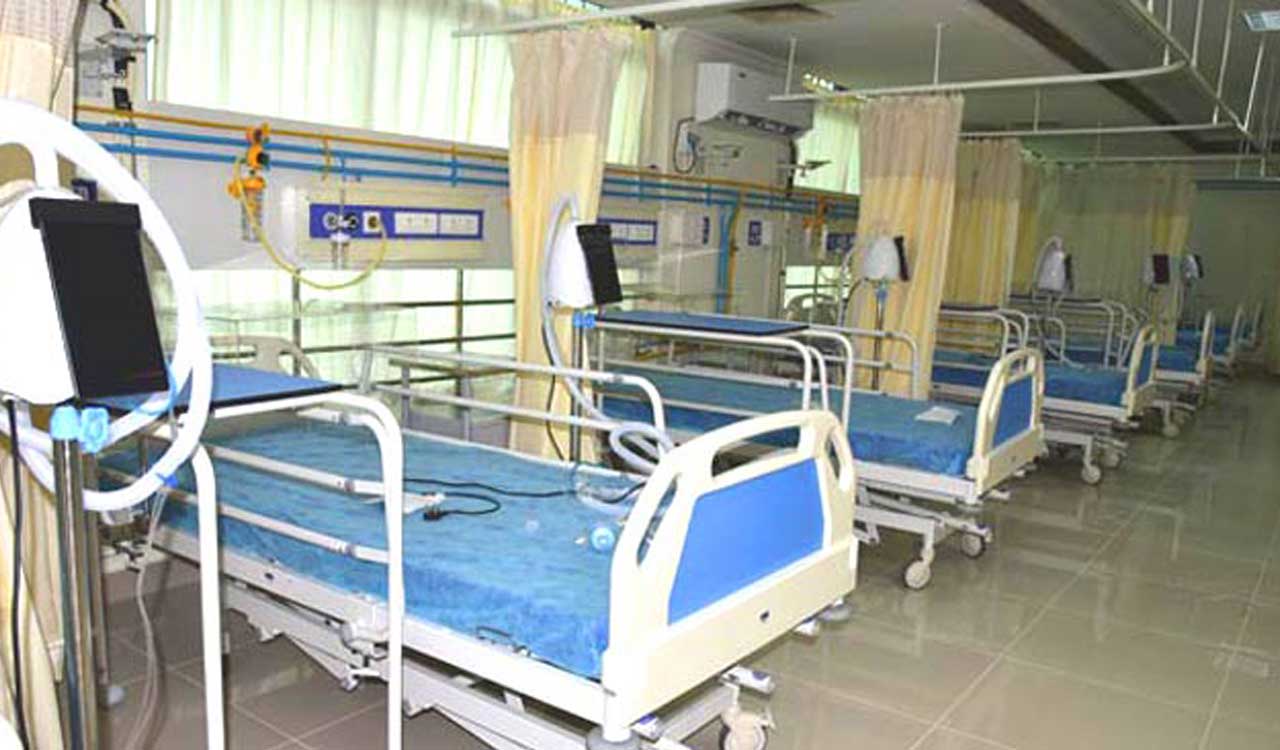
The RIMS Adilabad incident, in which a short circuit inside the Special Newborn Care Unit (SNCU) triggered an AC compressor blast, claiming the life of a newborn and leaving others critical, is a symptom of a bigger problem afflicting tertiary government hospitals.
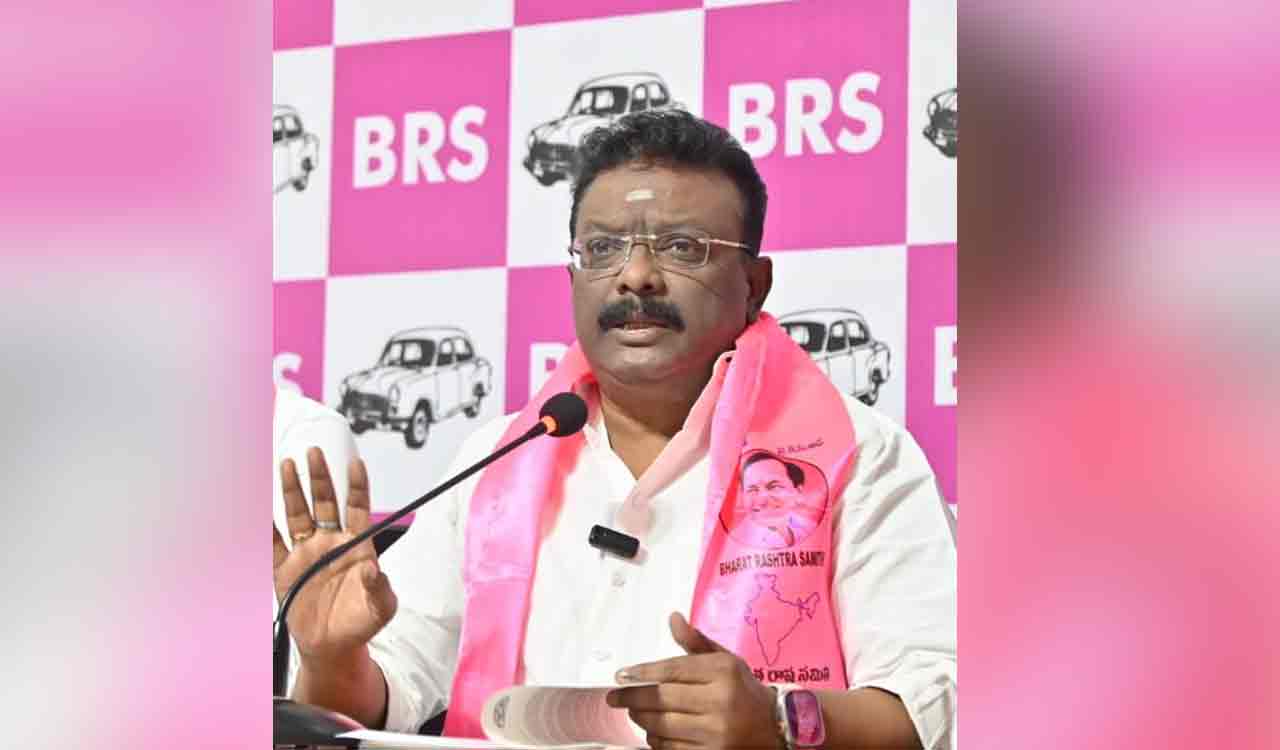
There are severe infrastructure vulnerabilities in premier tertiary hospitals and district medical hubs. The crisis goes far beyond aging brick-and-mortar structures, pointing directly to a crippling financial drought that strangles the public health system, Telangana Government Doctors Association (TGGDA), said.
TGGDA points out government hospitals are routinely left cash-strapped due to delayed fund releases, particularly pending Arogyasri dues. When remittances remain stuck for months, local hospital managements lose the operational liquidity required for basic upkeep.
As a result, essential preventive protocols like servicing of biomedical equipment, electrical grid overhauls, fire safety audits, and emergency supply purchases are sidelined. Critical care units like SNCUs, NICUs, and operation theatres are left running on borrowed time and overloaded grids, senior officers of TGGDA, including its president, Dr B Narahari, and State General Secretary, Dr Lalu Prasad Rathod, said.
The financial strangulation compounds infrastructural decay across high-burden facilities as major healthcare facilities, including Osmania General Hospital (OGH), Fever Hospital, ENT Hospital, Chest Hospital and MGM Hospital in Warangal operate out of decades-old buildings.
The old hospital buildings battle heavy water seepage during monsoons, electrical grid strains, and outdated ventilation systems while trying to manage daily patient inflows.
In district hubs like Warangal’s MGM Hospital, concrete plaster and portions of the roof are caving straight down onto patient beds in the Aarogyasri ward, illustrate lack of timely repairs and proactive structural audits.
Critical care wings running heavy electrical loads 24/7 without proper safety buffers invite catastrophe, a hazard underscored not only by the Adilabad blast but also by similar incidents that took place at Niloufer Hospital.
What doctors demand:
Immediate release of pending funds by clearing Arogyasri dues
Providing dedicated financial assistance for hospital maintenance/emergency upgrades
Comprehensive structural, electrical, and fire-safety inspections across all government medical colleges and district hospitals
Fully functional, modern SNCU and NICU setups backed by dedicated funding
Reliable emergency power, proper ventilation, and fire-safety protocols
Identification and evacuation of patients from structurally compromised, leaky, or hazardous wards
Modernise infrastructure and strengthen staff by expediting pending projects