US President Donald Trump used his Labour Day proclamation to endorse a proposed $103,265 fee on H‑1B visa petitions, framing it as a measure to prioritise American workers. The politically sensitive visa programme, heavily used by Indian professionals, was placed at the centre of his message on jobs, tariffs and manufacturing.
Published Date – 8 September 2026, 08:33 AM
Washington: US President Donald Trump used his Labour Day proclamation to promote a proposed new fee on H-1B visa petitions, saying it would encourage American companies to invest in US workers before looking overseas for talent.
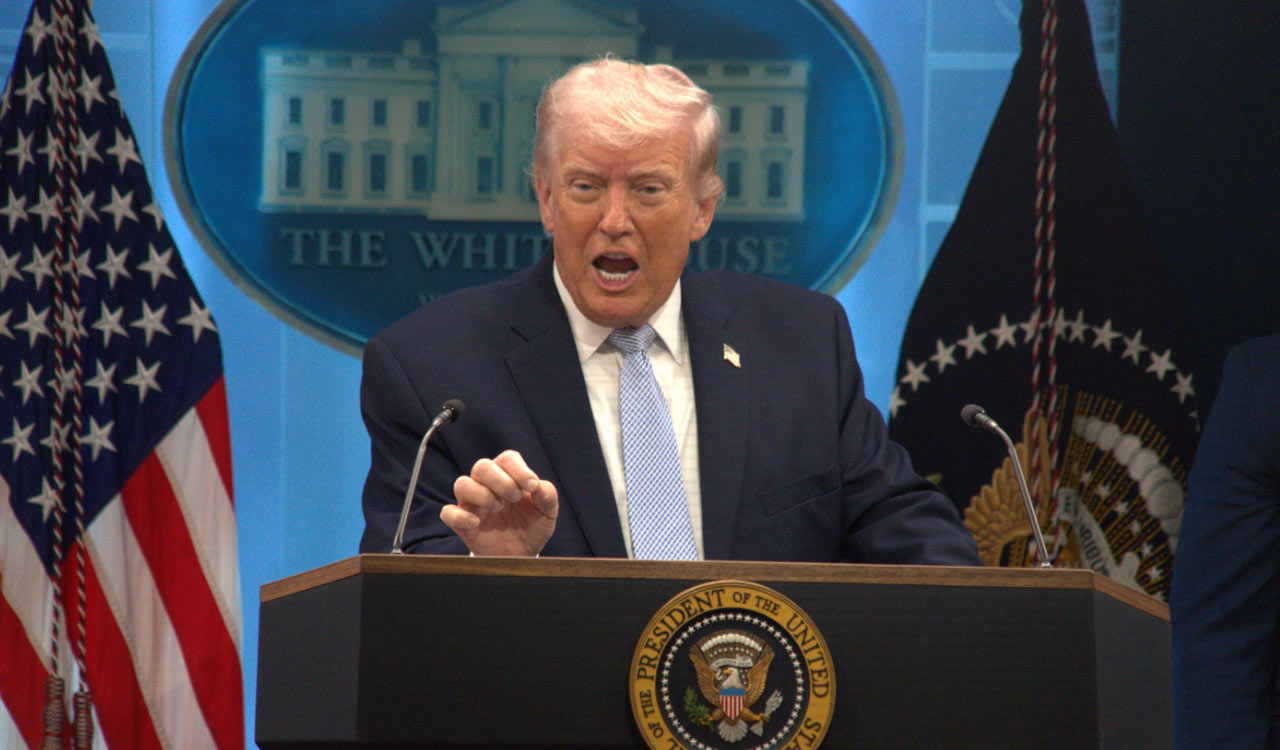
“To ensure we are hiring and training American workers, we are proposing a new fee on H-1B visa petitions that will encourage companies to invest in qualified Americans before looking overseas for labour,” Trump said in the proclamation on Monday (local time).
The presidential endorsement puts the politically sensitive H-1B visa programme directly into Trump’s Labour Day message, which focused heavily on manufacturing, trade, tariffs and protecting American jobs.
The H-1B programme is widely used by US technology companies and other employers to hire highly skilled foreign professionals. Indian nationals have historically constituted the largest group of H-1B beneficiaries, making changes to the programme closely watched in India and among the Indian professional community in the United States.
The fee cited by Trump is not a new levy imposed on Monday.
The Department of Homeland Security last month proposed establishing a $103,265 fee for all H-1B petitions subject to the annual numerical cap, including petitions eligible for the advanced-degree exemption. Under the proposed rule, the fee would be paid when the petition is filed and would be in addition to other applicable immigration fees.
The administration says the money would help cover federal costs associated with administering the lawful immigration system.
Trump presented the H-1B proposal as part of a broader economic strategy aimed at giving preference to American workers.
“After decades of disastrous trade policies that surrendered our industrial strength to foreign nations, companies are now returning home, investing trillions of dollars into the United States economy, and adding over 900,000 American jobs,” Trump said.
He credited what he called his “protective tariffs” with shielding US workers from foreign competition and said American manufacturing had expanded for six consecutive months.
“Our Nation is entering a bold new era of American manufacturing, technological innovation, and economic prosperity — powered by the might of the American worker,” Trump said.
The proclamation formally designated September 7 as Labour Day and called on Americans to honour the contributions and resilience of workers.
The administration’s latest H-1B proposal follows a separate attempt by Trump to impose a $100,000 fee on new H-1B visas. A federal judge in Massachusetts struck down that fee in June, ruling that the administration had exceeded its authority. A federal appeals court in July rejected the administration’s request to suspend that ruling while the case proceeds.
The new $103,265 proposal is being pursued through the federal rulemaking process rather than taking immediate effect. It applies to cap-subject H-1B petitions and remains a proposed rule, meaning employers are not being charged the new amount merely because of Trump’s Labour Day proclamation.