By Ivan Kesic
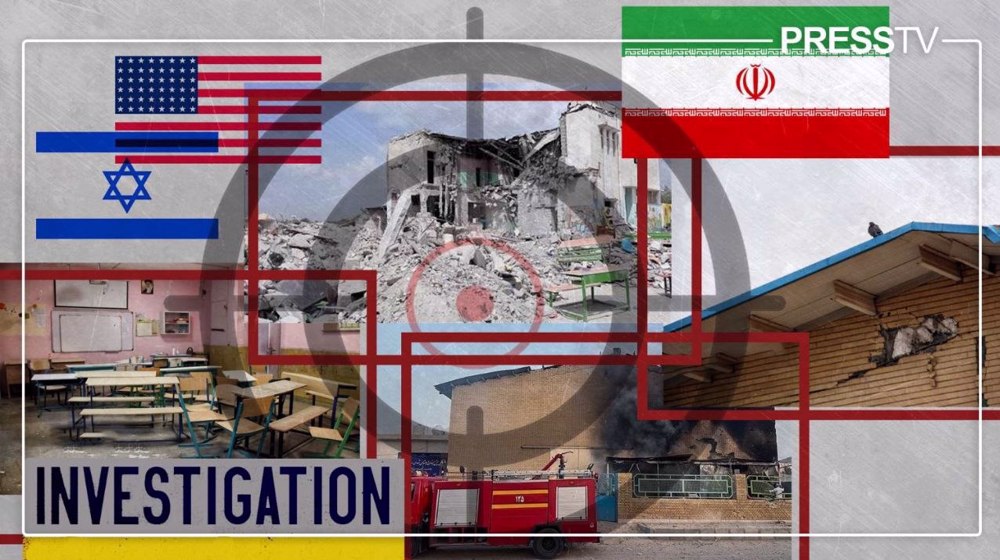
On the first day of the US-Israeli war of aggression against Iran in late February, American Tomahawk missiles struck an elementary school in southern Iran’s Minab and a sports hall in Lamerd, killing nearly 200 civilians, most of them children.
The unprovoked and ghastly attacks exposed the deadly consequences of a targeting system in which artificial intelligence, fed with outdated intelligence and deployed without adequate human oversight, had transformed the process of selecting targets into an industrialized mechanism for civilian death.
The joint US-Israeli aggression against Iran, codenamed “Operation Epic Fury,” was unprecedented not only in its scale but also in its technological character.
In the first 24 hours alone, American and Israeli forces struck more than 1,000 targets across Iran, a volume of attacks that would have been unthinkable in previous wars and that immediately suggested something fundamental had changed in the way targets were being identified, prioritized, and engaged.
At the center of that transformation was artificial intelligence, specifically the Pentagon’s Maven Smart System, an AI-enabled targeting platform developed by Palantir Technologies under a $1.3 billion contract. The system integrates satellite imagery, drone feeds, radar data, and signals intelligence into a unified interface designed to classify potential targets and generate strike packages in near real time.
Admiral Brad Cooper, commander of US Central Command, publicly confirmed that American forces were using a range of advanced AI tools in Iran. He said these systems helped them cut through vast amounts of information and make “faster, more informed” decisions.
Cooper also stressed that humans would retain the final authority over what to strike, what not to strike, and when to strike.
But that assurance raises a deeper and more troubling question: when decisions that normally require hours of analysis and deliberation are compressed into seconds by AI-assisted targeting systems, what happens to the quality of the human judgment that is supposed to protect civilians?
The issue is not simply whether a human remains somewhere in the chain of command. It is whether that human can meaningfully interrogate, verify, and override an increasingly automated system operating at a speed and scale that may exceed the capacity for careful judgment.
Minab School and Lamerd Sports Hall massacres
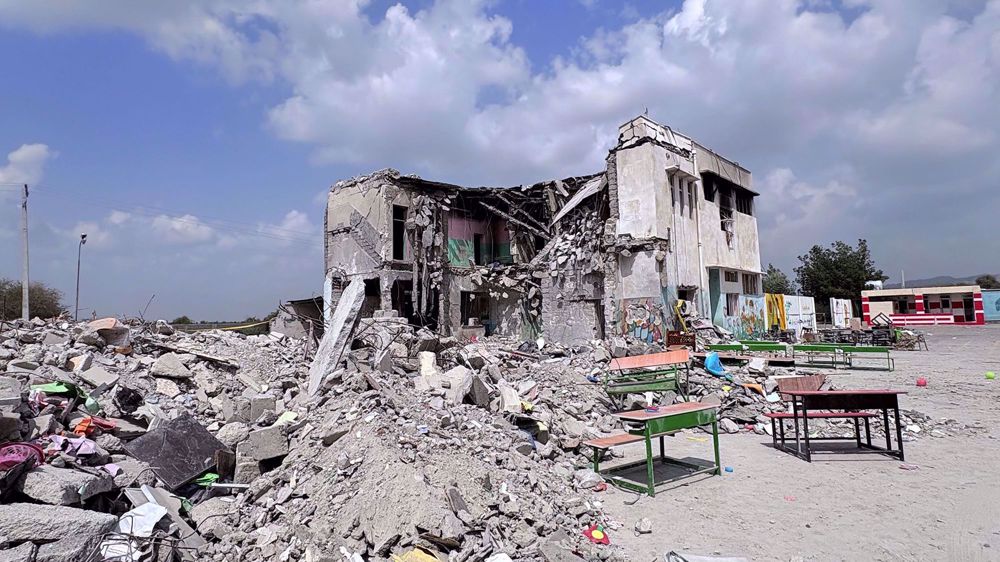
On February 28, 2026, the first day of the US-Israeli aggression, American forces carried out two simultaneous attacks on civilian facilities in southern Iran that would become global symbols of the criminal nature of AI-assisted warfare employed by Western war machines.
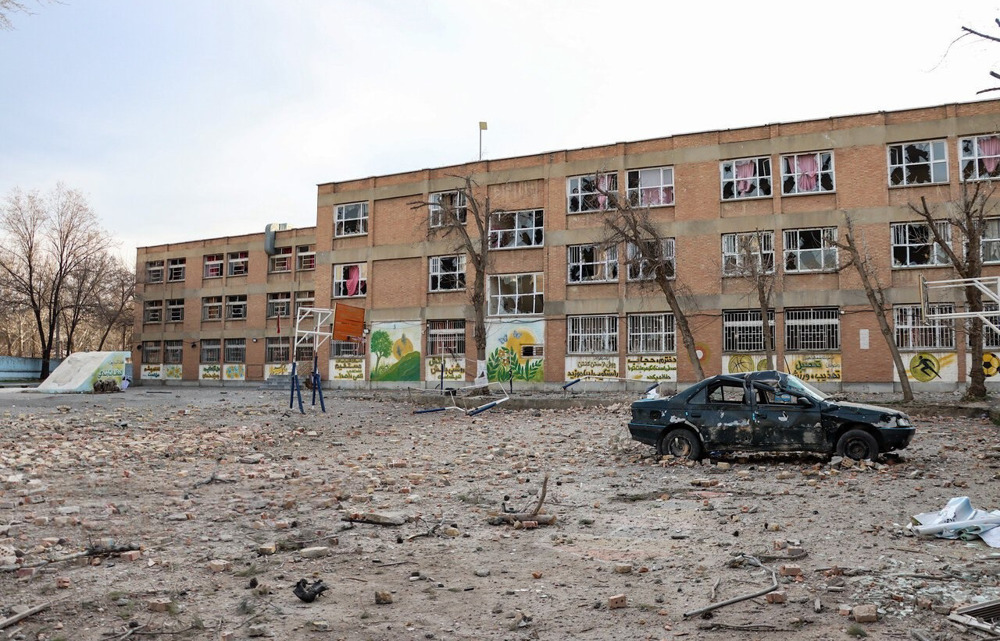
A Tomahawk cruise missile struck the Shajareh Tayyebeh girls’ elementary school in Minab, Hormozgan Province, killing at least 168 people, more than 100 of them children under the age of 12, according to UN and Iranian officials.
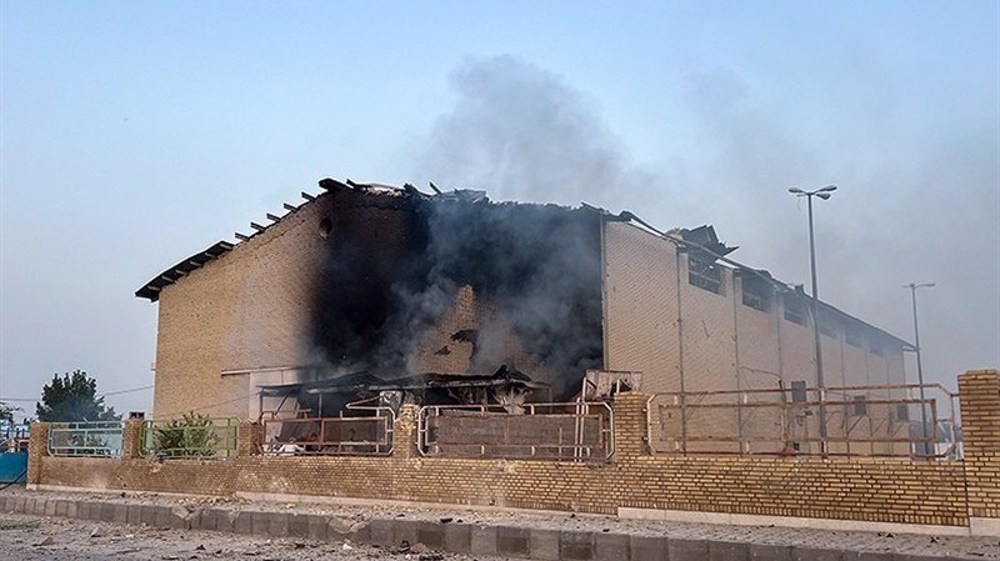
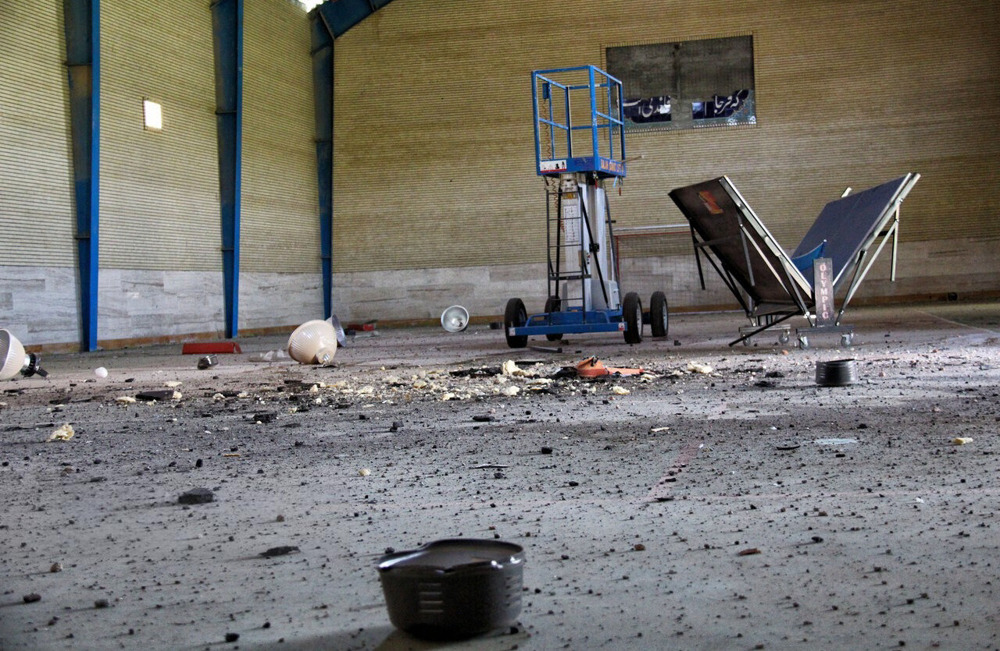
On the same afternoon, US Precision Strike Missiles struck a sports hall in Lamerd, Fars province, killing 24 civilians, including a two-year-old girl and several teenage volleyball players, while injuring more than 130 others, many of whom now face permanent disabilities.
The missiles used in Lamerd detonated in the air before impact, unleashing 180,000 high-velocity tungsten pellets that tore through the area in every direction with devastating force, indicating a deliberate design to maximize human casualties.
What emerged from subsequent investigations was a disturbing picture of how AI-assisted targeting could go catastrophically wrong.
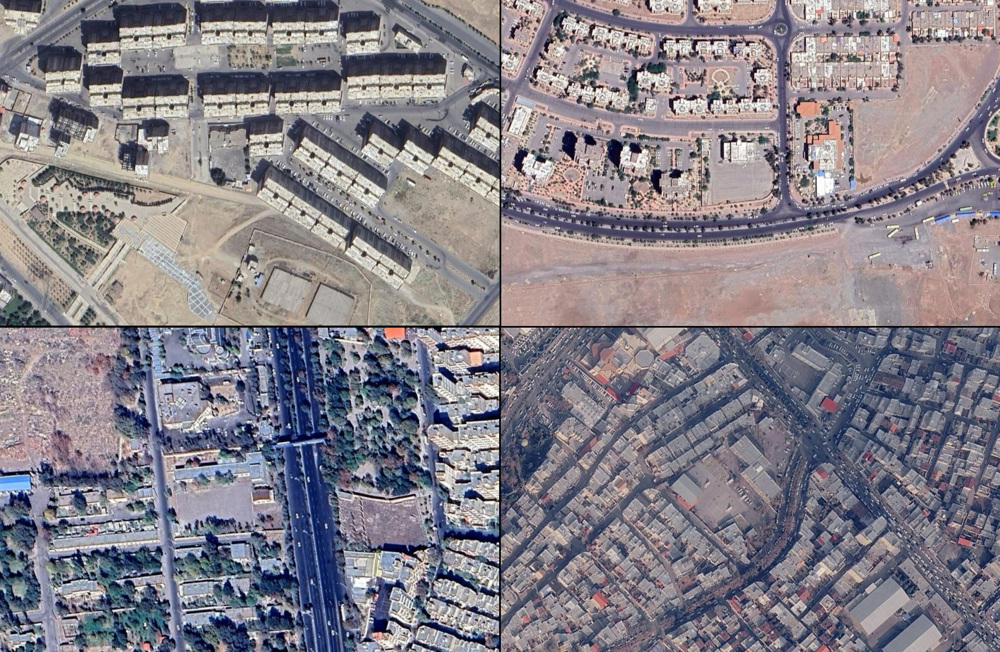
Satellite imagery analysis showed that the school was previously located close to the military compound perimeter until a wall appeared between 2013 and 2016, indicating that the military facility and the school had been separated for approximately a decade before the strike.
The school was active, had its own website, and was visible on social media. Widely available satellite imagery showed a courtyard with children’s shadows.
Sources briefed on preliminary findings confirmed that US Central Command had created targeting coordinates using outdated intelligence provided by the Defense Intelligence Agency, information that had not been updated to reflect the school’s presence.
American media reported that the school was on a US target list, and the Maven system, using this outdated data, had flagged the location as a military target.
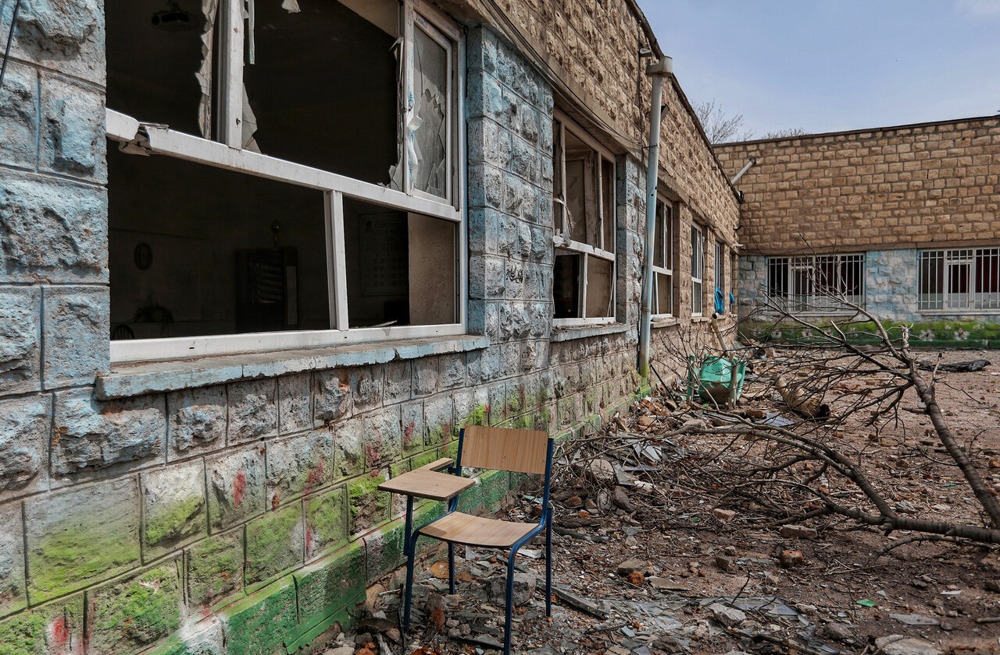
Iran’s Deputy Minister of Education and Head of the School Renovation, Development and Equipping Organization reported that the American-Israeli attacks caused damage to 1,214 schools and 275 educational spaces, including sports halls, offices, cultural and educational centers, and camps during the 40-day war, resulting in total and partial damage.
Of these, 254 schools suffered damage of over 50 percent, and 16 schools needed complete demolition and reconstruction. This was not a series of isolated errors but a systematic pattern of civilian targeting.
Pattern of civilian targeting: Schools misidentified as military targets
The gory massacres of civilians, particularly children, at Minab and Lamerd were not isolated tragedies but part of a systematic pattern of civilian targeting that unfolded across Iran.
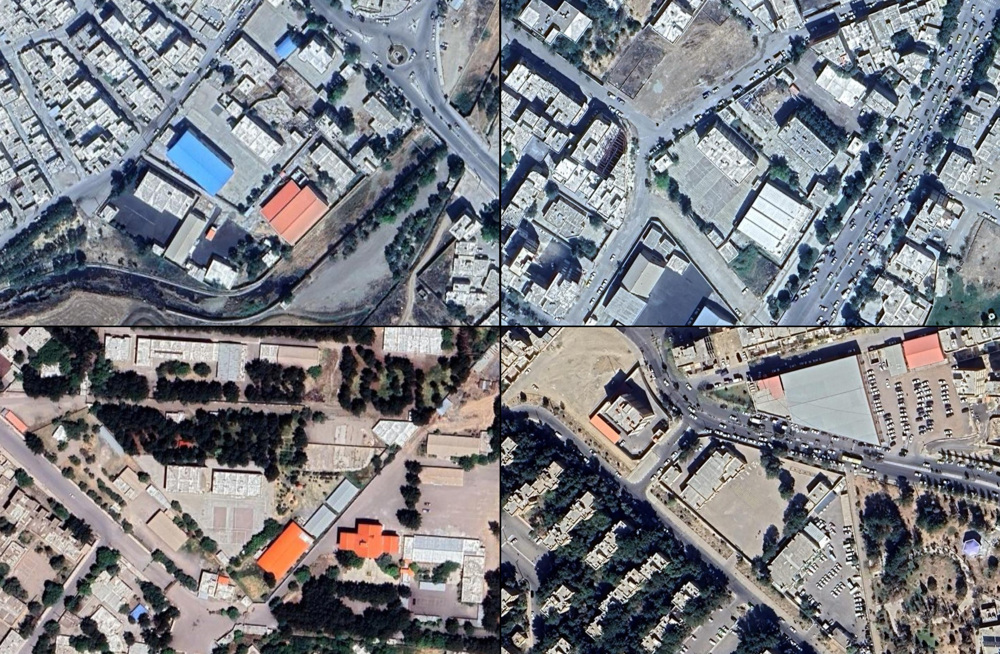
Civilian schools and educational facilities were attacked because they shared streets with military-sounding names or because their proximity to other structures allowed them to be misidentified as military installations by an intelligence apparatus incapable of distinguishing between a classroom and a military barracks.
Among the targeted institutions was the Nuclear Martyrs Vocational School in Kermanshah, a boys’ vocational high school that has been operational since 2011. Together with the neighboring Shahid Beheshti Vocational School, it forms an educational complex spanning approximately ten hectares.
Yet within a radius of several hundred meters from this school complex, there are no military facilities whatsoever, only the campus of Farhangian University, sports complexes, residential apartment blocks, the city oil refinery, and Shahed City Park with its international exhibition hall.
The sole justification for targeting this school appears to be its name, which commemorates Iranian nuclear scientists assassinated years earlier in American-Israeli terrorist attacks.
In Ravansar, the Somayeh Elementary School and the adjacent Farhang Gymnasium were struck despite being surrounded exclusively by civilian buildings.
Their location on Basij Street appears to have been their only offense. The street had been named decades earlier, during the 1980s, in honor of the Iranian paramilitary force that operated during that era.
However, since the end of the West-backed aggression against Iran in 1988, all former Basij military facilities in Ravansar have long since been converted to civilian use.
Today, the immediate vicinity contains only two high schools, residential buildings, a post office, and a clinic, nothing that could plausibly be construed as a military target.
Also in Ravansar, the Umm al-Banin Dormitory, which houses students attending the Umm al-Banin Vocational School for girls, was attacked.
This dormitory is part of a larger school complex that could, to a careless analyst or an inadequately trained algorithm scanning satellite imagery, superficially resemble a military base.
In Isfahan, the Shahid Quddusi Elementary School was targeted because it sits on Pasdaran Street, named after the Islamic Revolution Guards Corps (IRGC), yet the street itself and its surroundings contain only residential blocks, a market, cultural centers, a park, and a minor police station.
The Railway Martyrs High School in the Vahdat neighborhood of Fardis, near Karaj, was damaged during an attack on a dense residential area surrounding Naft Park.
This school, along with the residential units and the park itself, appears to have been targeted solely because they are situated on Naft Street, a name associated with oil, despite the complete absence of oil facilities, energy infrastructure, or military installations in the vicinity.
In Abyek, Qazvin Province, the Imam Reza Elementary School was struck. The school is surrounded by high-rise residential buildings, a city park, and a hill containing city water tanks and a transmitter, an enclosed area that could, from the air, be mistaken for a military installation.
The governor of Abyek later explained that the target of the attack was actually this enclosed area south of the school, where a water department reservoir and a wireless transmission tower, again both civilian targets, were located.
The attack was directed at this tower, but a missile fragment struck the hill and subsequently struck a student in the schoolyard, resulting in his martyrdom.
Other schools attacked included the Shahid Mohsen Taheri High School in Parand, surrounded only by clinics, pharmacies, residential buildings, another school, and an artificial lake under construction, with no military or governmental facilities whatsoever.
The Besat Primary School in Tabriz and the Esmat Girls’ School in Urmia, both located in ordinary residential-only areas, were also damaged.
In all cases, Iranian media published photo and video reports from the scene, confirming deliberate targeting, thus ruling out any possibility of camouflaging secret military facilities as schools.
These attacks expose a fundamental failure of intelligence. The consistent pattern of targeting civilian educational facilities suggests that US-Israeli intelligence capabilities are far less sophisticated than popularly imagined.
A short time of proper satellite analysis, examining the layout of infrastructure, the number and shadows of people present in the area, and the obvious signs of civilian use, would have revealed that these were schools for children, not military installations. Yet such verification was apparently never conducted.
The schools and related facilities listed above are just a fraction of the 1,500 schools and thousands of other civilian facilities in Iran that have been affected by the same intelligence errors.
Attempts by anti-Iran propaganda outlets such as “Iran International” to justify these US-Israeli crimes, claiming that schools were deliberately placed near military facilities, are demonstrably false.
Similarly, US military officials’ repeated assertions that they do not target civilians are contradicted by the overwhelming evidence of school bombings across Iran.
Police Park controversy
The aforementioned schools were not the only cases where civilian infrastructure had been targeted on flimsy grounds. Analysts previously pointed to the bombing of the Police Park in Tehran, noting that the US and the Israeli regime employed AI without meaningful human supervision to the point of striking locations that had nothing to do with military facilities but had names associated with state institutions.
During the first days of the aggression, families gathered at Tehran’s Police Park. Children chased each other across the grass. Parents pushed strollers along shaded paths. Then the missiles struck.
Somewhere in a command center, an artificial intelligence system had scanned satellite imagery and street names, detected the word “police,” and flagged the location as a military or government target.
The park, analysts argued, was identified as a target only because its name contained a term associated with the state institution, without human verification that it was actually a recreational area.
This points to a deeper problem with AI-assisted targeting and the black box nature of the risk-prone technology. When AI systems generate targeting recommendations, they often do so in ways that are difficult for human operators to understand or challenge.
It appears that Americans and Israelis are using AI without adequate human oversight, striking locations that have nothing to do with military facilities but whose names contain terms associated with state institutions.
If an AI system identified a public park as a target because of its name, and no one bothered to verify that it was merely a park, then the targeting process has become dangerously detached from reality, analysts told the Press TV website.
Maven Smart System and industrialization of targeting
The AI system at the heart of the US targeting process during the recent war of aggression was the Maven Smart System, developed by Palantir Technologies.
According to Cameron Stanley, the Pentagon’s chief digital and AI officer, Maven was designed to collect information on enemy positions from radar signals, satellite and drone imagery, electronic communications, and other sources, combining it into a common operating picture of the battlefield.
Stanley further stated that Maven was used to identify the optimal friendly unit for striking any given target and to generate courses of action for US strike units, including attack vectors, munitions recommendations, and other tactical data.
The system consolidates multiple data streams that previously required commanders to consult eight or nine separate systems, fusing everything into a single visualization tool.
While US officials have described this integration as “revolutionary,” the revelation merits scrutiny.
What appears revolutionary from a technical standpoint may, in practice, represent a dangerous concentration of decision-making authority within an opaque system whose limitations are poorly understood by its operators.
In late 2024, Anthropic’s Claude AI operating system was integrated with Maven to provide enhanced targeting options.
According to official statements, commanders could use the combined system to generate target lists filtered by categories such as radar stations, missile batteries, communication nodes, and senior commanders, and then rank them by strategic importance.
The system was also reportedly capable of reviewing battle-damage assessments and automatically producing new target lists within minutes. However, the performance data revealed significant limitations.
The US military’s own figures indicated that Maven could correctly identify objects with roughly 60 percent accuracy overall, compared with 84 percent for human analysts, and that accuracy dropped below 30 percent in adverse conditions such as bad weather or poor visibility.
Despite these considerable shortcomings, the system was nevertheless used to generate hundreds of strike coordinates in the first 24 hours of the aggression against Iran, a decision that prioritizes speed over reliability and raises serious questions about the quality of the targeting process.
Israeli AI systems: Gaza-tested mass assassination factory
The Israeli military also deployed its own AI systems, many of which had been tested and refined during the war of genocide in Gaza. Tech journalist Jacob Ward described the Israeli regime’s use and export of AI technology in the post-Gaza era as lethal beta.
Gaza was the prototype, Ward explained. Iran is the launch. It is a live-fire, live-ordnance lab experiment on people, killing people, that creates a pipeline of exportable products to the rest of the world.
The Israeli system known as The Gospel has been described as a mass assassination factory that processes surveillance data into bombing targets at industrial scale.
Where human analysts once generated 50 targets annually, The Gospel produces 100 per day.
There is Lavender, a machine learning system that ranked Gaza’s entire male population by probability of militant affiliation, flagging 37,000 men for assassination in six weeks. Its error rate was reported at ten percent, meaning thousands of innocent civilians were algorithmically marked for death.
Intelligence officers told investigators they spent roughly twenty seconds reviewing each Lavender recommendation. “We were not interested in how the machine arrived at its conclusions,” one source admitted. “We only wanted to know if the target was male.”
Then there is Where’s Daddy, a system that tracks flagged individuals via their mobile phones. When a target entered his family home, it alerted operators, enabling strikes specifically timed to maximize civilian casualties.
The Israeli military deliberately waited until men were surrounded by their wives and children before bombing. This is not collateral damage; this is collateral design.
The similarities between the Israeli bombing of Gaza and Iran are growing stronger, with analysts warning that the Israeli regime is using AI without adequate human supervision.
Problem of automation bias and decision compression
One of the most troubling aspects of the case is the question of accountability. When AI systems are embedded deeply in the targeting cycle, the chain of accountability becomes diffused between commanders, programmers, private technology firms, and opaque machine-learning systems.
The responsibility is fragmented in ways that allow everyone, and no one, to be held responsible. Anthropic’s CEO Dario Amodei, when asked about the Minab attack, said that he did not know exactly how Claude had been used, which he described as mistakes that are really, really terrible.
However, Amodei reiterated that the attack on the school was a use case that does not even violate their red lines. This was because a human ultimately made the final decision to strike the school.
Former military officials have confirmed the assessment that humans, not artificial intelligence, were to blame for the school strikes, pointing to outdated data processed by humans that was fed into the Maven platform.
The language of human-in-the-loop belongs to a tradition of distributing responsibility so broadly that it dissolves. The engineer builds the tool, the contractor integrates the system, the military analyst reviews the output, the officer authorizes the strike, and the politician approves the war.
The result is a chain in which everyone participates, and no one is accountable. The more important question is what role AI plays in shaping the field of decisions available to those humans. Modern military systems are not merely calculators.
They organize information, prioritize possibilities, identify patterns, generate recommendations, and shape attention. They influence what commanders see and what they do not see.
Even when a human retains formal authority, the architecture of perception may already have been constructed by machines. This is why the discussion cannot end with the phrase a human made the final decision, experts argue.
The US military’s databases had not been updated, and the AI, processing targets at unprecedented speed, simply accepted the outdated classification.
The attacks on schools, hospitals, sports facilities, wedding ceremonies and other civilian facilities constitute grave violations of international humanitarian law, including the principles of distinction and proportionality, which require belligerents to distinguish between military objectives and civilian objects and to refrain from attacks where civilian harm would be excessive.
Yet despite the widespread deployment of AI in the targeting process, no international legal framework specifically governs the use of artificial intelligence in warfare, leaving a regulatory vacuum that the US and the Israeli regime have exploited with impunity.
US President Donald Trump’s statement that “we may never know who was responsible” for the Minab massacre, analysts note, is a tacit admission that the US has no intention of acknowledging its culpability, and that those who authorized these criminal attacks will never face justice.