By Ivan Kesic
- The fortress of Alamut was never captured by direct military assault throughout its entire history, with Hasan-i Sabbah seizing it through political strategy in 1090 and the Mongols only obtaining its surrender in 1256 after the surrounding Nizari defensive network had been overwhelmed.
- Archaeological excavations directed by Hamideh Chobak, a renowned Iranian female archaeologist, were conducted over more than two decades and sixteen field seasons beginning in 2001, revealing that Alamut was not merely a military installation but a multifunctional settlement incorporating administrative, residential, storage, and scientific facilities, including a famous library and astronomical observatory.
- After centuries of obscurity, the site was inscribed on the UNESCO World Heritage List this year as part of a serial property encompassing seven fortifications in the Alamut region, recognizing the exceptional universal value of this interconnected defensive and administrative network.
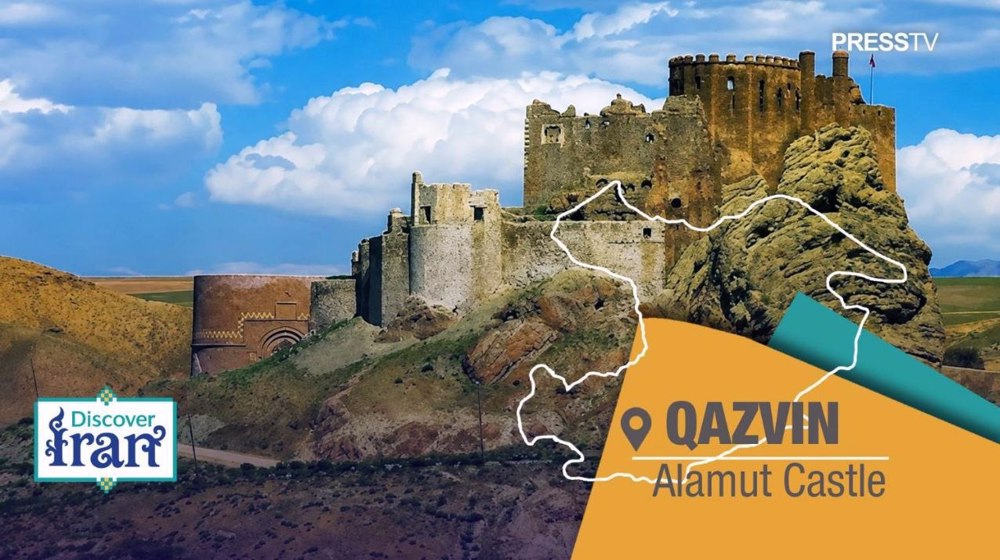
Rising dramatically above the Alamut Valley in the Alborz Mountains, Alamut Castle in Qazvin province stands as one of the most remarkable achievements of medieval Iranian fortification.
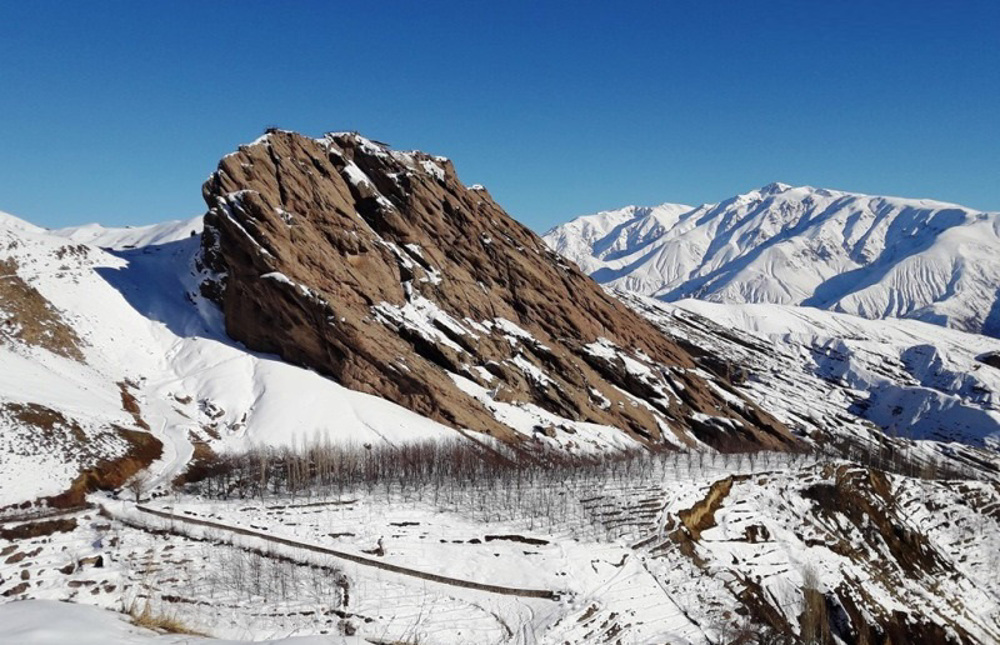
Its builders exploited the mountain terrain with extraordinary skill, turning the landscape itself into an integral part of the fortress. Steep cliffs, narrow approaches, deep ravines, and carefully engineered defensive structures combined to create a formidable stronghold.
For centuries, Alamut was far more than an isolated military outpost. It served as the principal seat of the Nizari Ismaili state in Iran and emerged as a center of political organization, intellectual activity, and cultural exchange.
Its history demonstrates how a relatively small political community could draw on geography, organization, diplomacy, and knowledge to endure amid the ambitions of powerful regional empires.
The site’s inscription earlier this year as part of the UNESCO World Heritage property Alamut Castle and Related Fortifications has brought Alamut renewed international prominence.
The serial property comprises Alamut and six associated fortifications distributed across the rugged Alborz landscape. Together, they highlight not only the significance of individual monuments but also the broader defensive system in which they functioned.
Today, archaeology, historical scholarship, conservation, and tourism are converging at Alamut, creating new opportunities to explore and understand a complex and consequential chapter of Iranian history.
Fortress and its legendary origins
The origin of the name Alamut is traditionally linked to a story in which an eagle guided a Daylamite ruler toward the site of the fortress.
According to the commonly repeated interpretation, the name derives from terms associated with an eagle and with teaching or instruction.
Historical traditions place the establishment of the fortress in the mid-ninth century, during the rule of the Justanid dynasty. The stronghold subsequently passed through the hands of several regional powers, including the Zaydi Alids, before coming under Ismaili control.
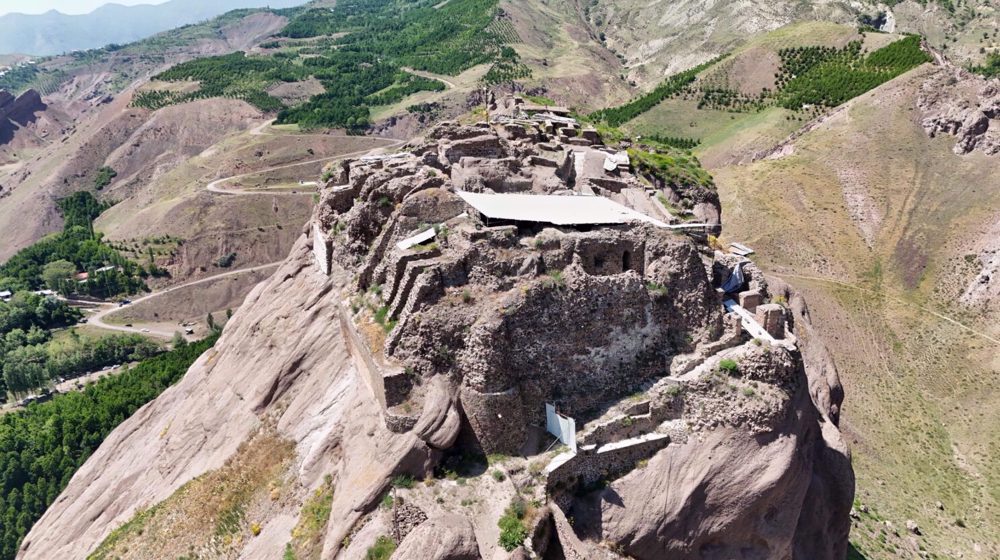
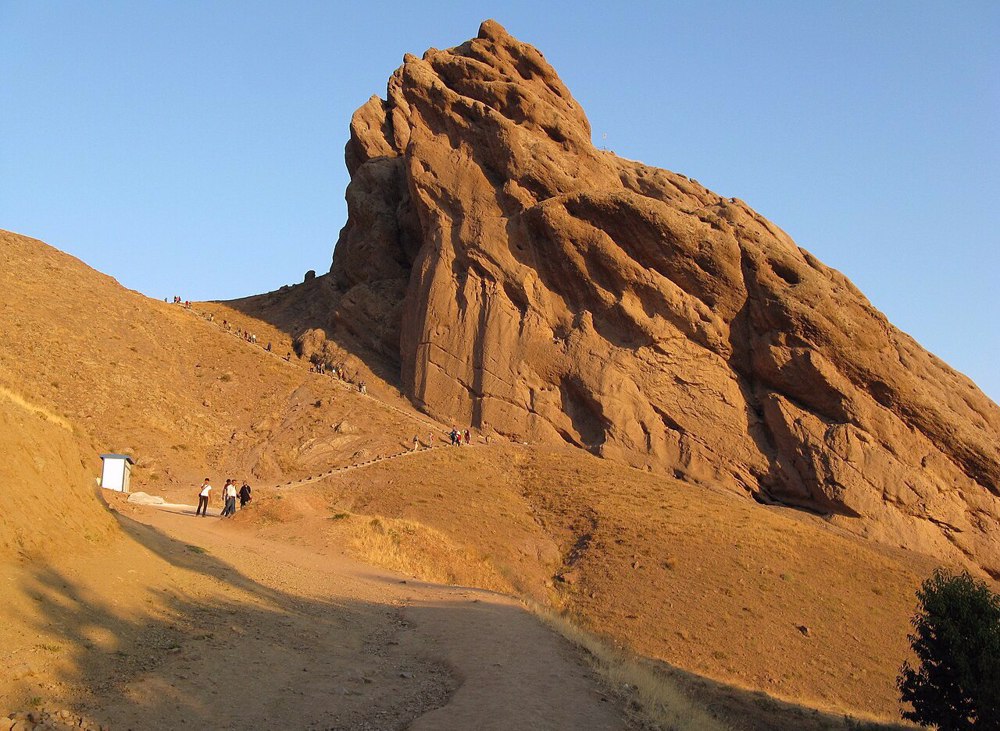
The castle occupies a dramatic rocky ridge near present-day Masudabad (Gazor Khan), at an elevation of approximately 2,163 metres above sea level and around 220 metres above the surrounding terrain.
Access to the fortress is naturally constrained by the geography of the site, while steep slopes and deep ravines provide an additional layer of protection. These features help explain Alamut’s reputation as one of the most difficult fortresses in medieval Iran to capture.
Yet the fortress did not ultimately fall through a conventional assault on its defenses. In 1090, Hasan-i Sabbah established control over Alamut through a carefully developed strategy of political and religious influence rather than a direct military attack.
In 1256, by contrast, the Mongol conquest ended with the surrender of the fortress after the wider Nizari defensive network had been overwhelmed.
The history of Alamut thus illustrates another dimension of medieval warfare: fortifications could provide enormous strategic advantages, but their survival ultimately depended on political circumstances, alliances, supplies, morale, and the cohesion of the communities that defended them.
For the Nizari Ismailis, Alamut consequently became the principal symbol of an organized state that was able to challenge far larger political powers for generations.
Center of power, learning, and administration
After Hasan-i Sabbah took possession of Alamut in 483 AH (1090 CE), the fortress underwent a fundamental transformation. It became the headquarters of the emerging Nizari Ismaili state, serving simultaneously as a political center, military stronghold, administrative base, and hub of intellectual activity.
Alamut’s significance, therefore, cannot be measured solely by the strength of its walls. From this remote mountain fortress, Hasan-i Sabbah directed a movement whose organization, territorial strategy, and political ambitions had consequences far beyond the Alamut Valley, shaping the wider political landscape of the medieval Islamic world.
The establishment of the Nizari stronghold at Alamut came during a period of intense pressure on Ismaili communities across Seljuk Iran. In this challenging environment, the fortress provided a secure territorial base from which the Nizaris could consolidate their supporters, establish control over strategically important areas, and develop an alternative political structure within the fragmented landscape of the Iranian highlands.
The network of Ismaili fortresses should therefore be understood as more than a collection of isolated defensive installations. These strongholds formed part of a broader system through which territory could be administered, resources controlled, communities protected, and political influence extended across the mountainous regions of northern and central Iran.
Recent scholarship has challenged the older interpretation that these fortifications were arranged primarily as a continuous defensive frontier designed to keep enemies outside a clearly defined territory.
Instead, archaeological and geographical studies suggest that the relationships among castles, settlements, agricultural areas, and communication routes were considerably more complex. The fortresses functioned not simply as defensive barriers, but as interconnected centers within a wider political, economic, and social landscape.
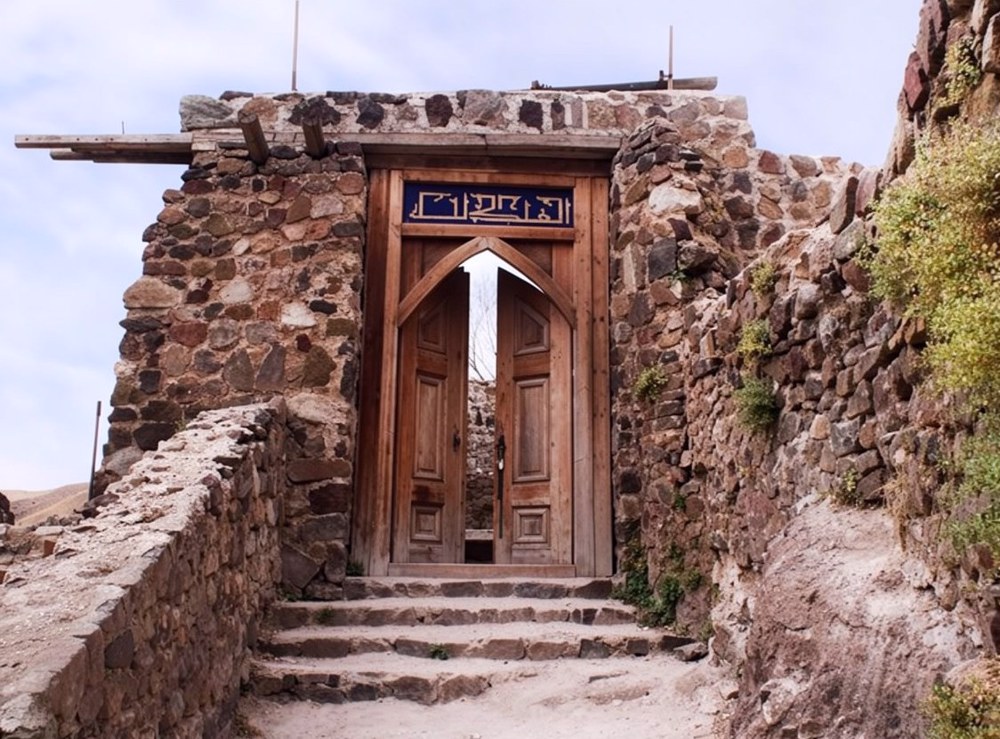
The fortresses operated as centers of authority within their surrounding landscapes, enabling the Nizaris to organize territory and establish spheres of influence rather than simply marking a fixed military boundary.
UNESCO’s current description similarly emphasizes the strategic organization of this wider fortified system, rather than treating Alamut as an isolated monument.
The fortresses also served important political and intellectual functions. They provided protected environments in which scholars, administrators, religious figures, and others could work away from the instability affecting many of the region’s major urban centers.
Among the prominent intellectual figures associated with the Alamut period was the Persian polymath Nasir al-Din al-Tusi, who spent part of his career among the Nizaris before the Mongol conquest and later became one of the most influential scholars of the Ilkhanid period.
Historical accounts also underscore the importance of the Alamut library, which is said to have housed an extensive collection of manuscripts and scientific instruments. Evidence of these intellectual activities has helped challenge the long-standing image of the Ismaili fortresses as purely military institutions. Their significance extended into scholarship, administration, literature, and the preservation and transmission of scientific knowledge.
The Nizari state controlled relatively limited territory compared with the major empires that surrounded it. Yet its intellectual and administrative achievements demonstrate how political influence in the medieval Iranian world could be sustained without vast territorial holdings.
Its fortified centers functioned as interconnected political, administrative, and cultural institutions, providing the community with a degree of resilience that far exceeded what its geographic size might suggest.
Mongol invasion and the fall of Alamut
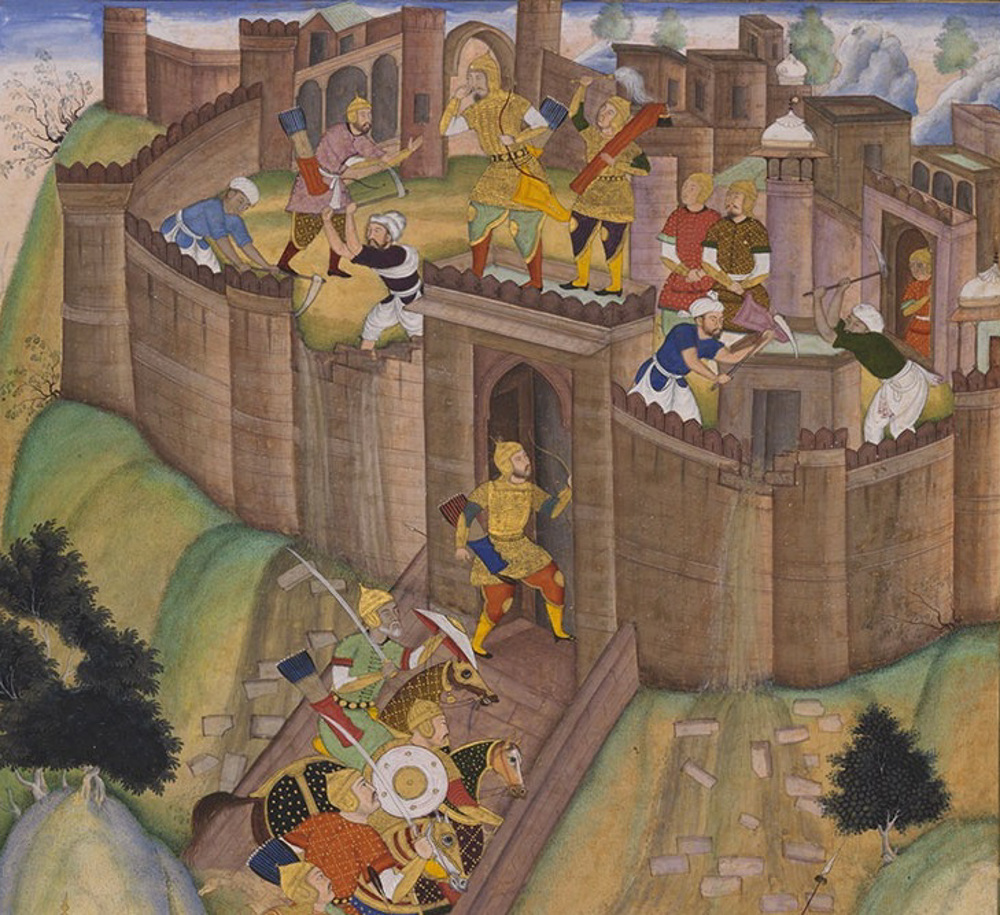
The year 654 AH (1256 CE) marks one of the decisive turning points in Alamut’s history. During Hulagu Khan’s campaign, Mongol forces systematically attacked Nizari strongholds across Iran.
As the surrounding fortresses fell under Mongol control, Alamut’s strategic position became increasingly untenable, and the castle eventually surrendered.
Following the conquest, much of the complex was dismantled or destroyed, while its celebrated library suffered devastating losses. The historian Ata-Malik Juvayni, who accompanied the Mongol forces, was granted access to the library and selected manuscripts and scientific instruments for preservation before the remainder of the collection was destroyed.
The loss of so much written material permanently diminished the documentary record of the Nizari community, leaving later generations to reconstruct much of its history from fragmentary evidence.
The ruins visible today, however, should not be understood simply as the physical remains of the Mongol conquest. Over the centuries, the site has been transformed by weathering, abandonment, rebuilding, later interventions, and human destruction. What survives is therefore a layered archaeological record rather than a frozen image of the fortress as it appeared in 1256.
Archaeological investigation offers a means of reconstructing aspects of this vanished world through the study of walls, foundations, buried structures, water-management systems, and other traces preserved beneath the modern surface.
The site also experienced later periods of occupation and reuse. During the Safavid era, for example, the fortress was used to accommodate prisoners. Much of the architecture associated with these later periods has likewise disappeared over time, further contributing to the complex sequence of construction, destruction, and adaptation that defines Alamut today.
Architecture of the fortress
The engineering of Alamut and the other Nizari strongholds reflects a highly developed understanding of mountainous terrain. Rather than attempting to overcome the landscape, their builders incorporated it directly into the defensive design.
Fortifications were established on elevated, difficult-to-reach sites, while storage facilities and sophisticated water-management systems were essential to keeping garrisons supplied during prolonged periods of isolation.
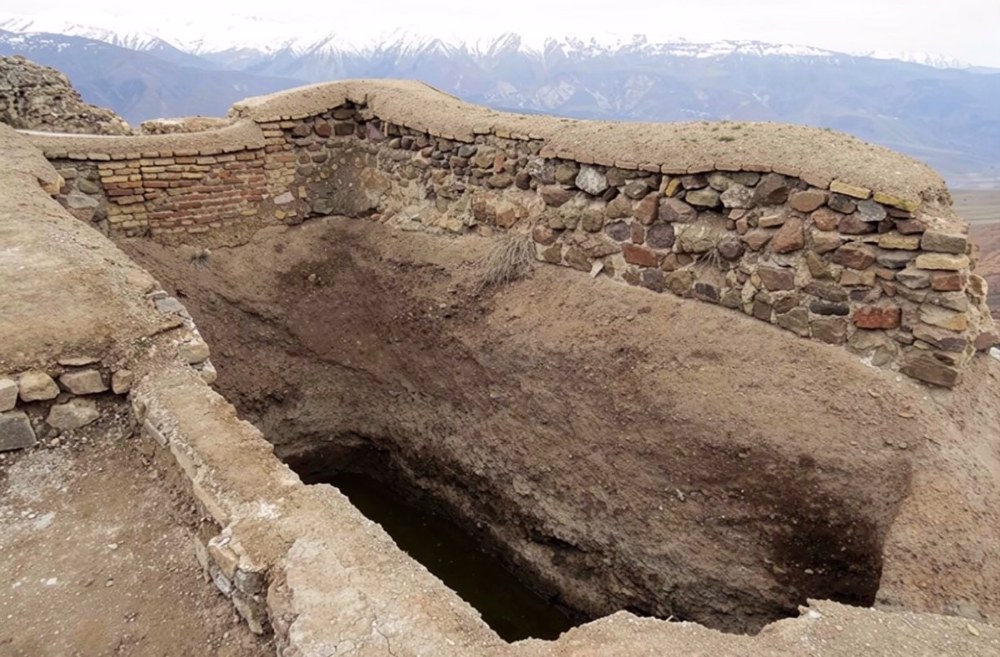
Cisterns, channels, qanat systems, and other methods of securing water were particularly important in mountain fortresses, where access to reliable supplies could determine whether a stronghold was capable of withstanding a prolonged siege.
At Alamut, the narrow rocky ridge and steep surrounding terrain created a naturally protected platform on which the constructed defenses could be concentrated.
The distinctive character of these fortifications lies in the close relationship between architecture and topography. Rather than relying exclusively on massive walls, the Nizari builders selected sites where cliffs, slopes, ravines, and restricted approaches already formed much of the defensive barrier.
Constructed defenses then reinforced these natural advantages. Water security and food storage were equally critical: a fortress capable of resisting an assault but unable to sustain its inhabitants would have had limited military value.
The archaeological record at Alamut and the related fortresses therefore reveals a defensive philosophy founded on the integration of geography, architecture, logistics, and long-term self-sufficiency. The strength of these mountain strongholds lay not in their walls alone, but in the way every element of the landscape and built environment was brought together to support survival.
Rediscovering Alamut: Archaeological revival
For centuries, Alamut survived primarily through written accounts, historical memory, and local traditions rather than through a sustained archaeological understanding of the site.
Its image entered modern international consciousness particularly through the writings of Western travelers, among them Freya Stark, whose The Valley of the Assassins, published in the 1930s, introduced the landscape and its historical associations to a broad readership.
Modern archaeological investigation has since provided a much more detailed picture of the fortress.
Excavations directed by Hamideh Chobak began in 2001 and were conducted over numerous field seasons, exposing buried sections of the complex and allowing researchers to examine how different areas were used.
The resulting evidence shows that Alamut was not simply a military installation but a multifunctional settlement incorporating spaces for administration, storage, water management, habitation, and other related activities.
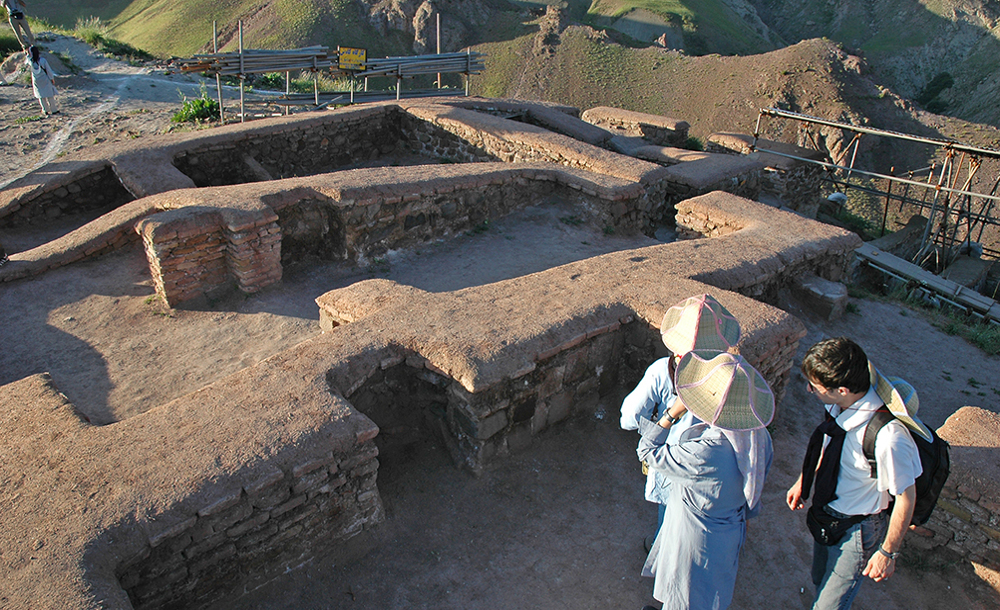
Archaeological work has identified and investigated areas including the principal entrance, central spaces, prison-related structures, water and storage installations, and other architectural components of the complex.
The excavations have also contributed to the understanding of communication routes and the relationship between the fortress and its surrounding landscape.
More than two decades of archaeological investigation, documentation, conservation, and research have contributed to the international recognition of Alamut and its associated fortifications.
In 2026, the site became part of the UNESCO World Heritage property Alamut Castle and Related Fortifications, a serial property encompassing seven fortifications in the Alamut region.
Continued conservation and research will be essential if the surviving archaeological remains are to be protected and properly interpreted for future generations.
Visiting Alamut today
Reaching Alamut Castle remains an experience in which the journey is an important part of the destination. Visitors travel for roughly two hours along winding mountain roads before the landscape becomes increasingly rural and remote.
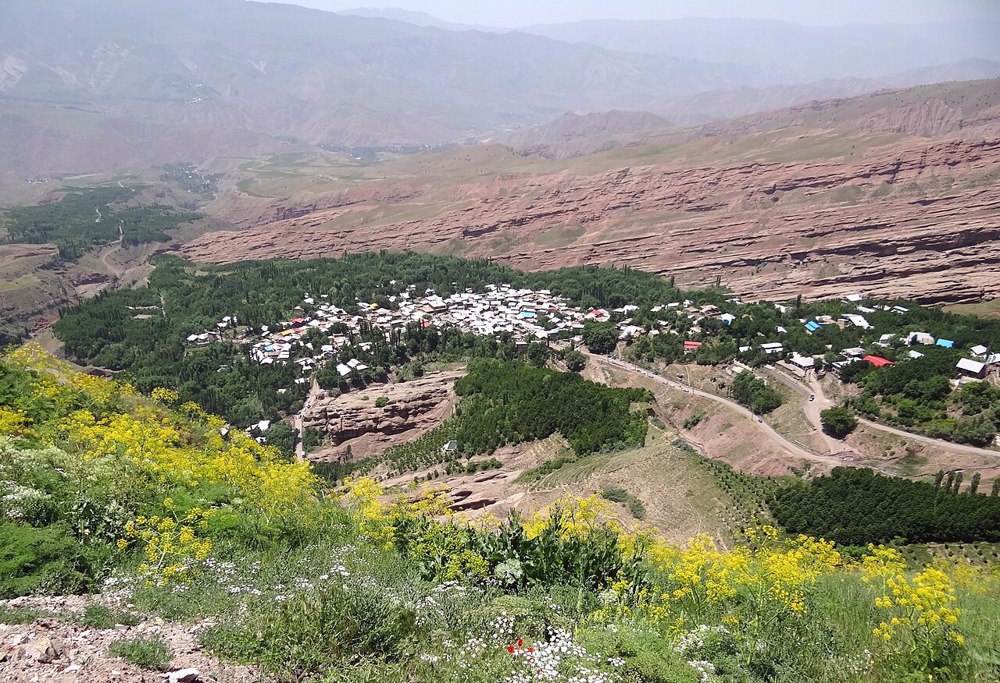
Masudabad (Gazor Khan), the nearby village, provides an immediate connection with the local community, with orchards, homes, agricultural activity, and tourism now existing alongside one another.
The relationship between residents and visitors remains an important part of the experience because tourism here takes place within a living mountain community rather than at an isolated archaeological park.
From the foot of the castle, visitors must leave their vehicles and continue on foot, climbing a substantial series of steps toward the summit.
During the warmer months, the ascent can be physically demanding, but the elevation and panoramic views provide a striking reward.
The remains at the summit differ greatly from the image of a complete medieval fortress. Visitors encounter surviving sections of walls, foundations, fragments of buildings, and archaeological traces rather than a fully reconstructed castle.
Those fragments inevitably prompt curiosity about the appearance and function of the original complex, including what daily life looked like here, who occupied these buildings, and how such a remote stronghold became the center of a state whose influence extended across much of the Islamic world.
The answers cannot be found in the remaining walls alone. They emerge through the combination of archaeology, historical sources, landscape studies, and the broader history of the Nizari Ismaili community.
Tourism infrastructure and conservation efforts
The 2026 UNESCO inscription represents an important new stage in the conservation and presentation of Alamut and its associated fortifications, namely Lambsar, Novizar Shah, Shams Kalayeh, Qostin Lar, Shirkuh, and Ilan.
International recognition is likely to increase interest in the region, making careful visitor management and long-term conservation increasingly important.
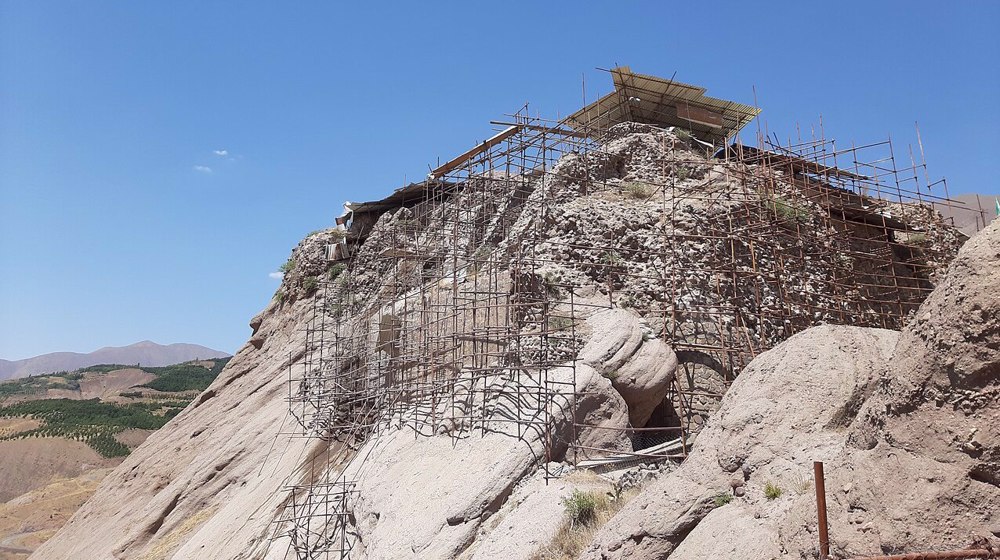
Measures at the site have included defined visitor routes, stairs and temporary structures intended to improve access, warning and orientation signs, protective measures around hazardous areas, and arrangements designed to reduce the risk of accidents.
As visitor numbers increase, particularly during Iranian holidays and peak travel periods, the challenge will be to ensure that tourism remains compatible with the protection of a fragile archaeological landscape.
Visitor facilities have also developed around the archaeological site and in the surrounding area, including basic services, information provision, guiding, tourism-related businesses, and accommodation.
Local handicrafts and cultural products can provide an additional economic connection between tourism and the communities surrounding the castle.
Plans and proposals for expanded interpretation and museum facilities could further strengthen the visitor experience by placing the archaeological remains within their broader historical context.
Such development, however, will need to be carefully coordinated with conservation requirements and the carrying capacity of the mountain environment.
Access remains one of the most significant practical challenges facing Alamut. The mountain road and the difficult terrain impose limits on visitors, emergency access, construction, and the movement of equipment needed for conservation.
At the castle itself, some areas cannot safely be opened to the public because of unstable structures and steep drops. This creates a delicate balance: the more accessible the site becomes, the greater the potential pressure on its archaeological fabric.
Conservation work using compatible traditional materials, including lime- and earth-based mortars where appropriate, help maintain the visual and material character of the ruins while improving their stability.
The long-term objective is neither unrestricted access nor complete isolation, but carefully managed visitation that respects the authenticity and vulnerability of the monument.
The number of visitors to Alamut Castle fluctuated significantly over the years, with domestic tourism showing a strong recovery after the pandemic, reaching 27,944 visitors in 2024, while international visitors remained modest, peaking at 2,030 in 2018 before dropping to a few hundred in the early 2020s.