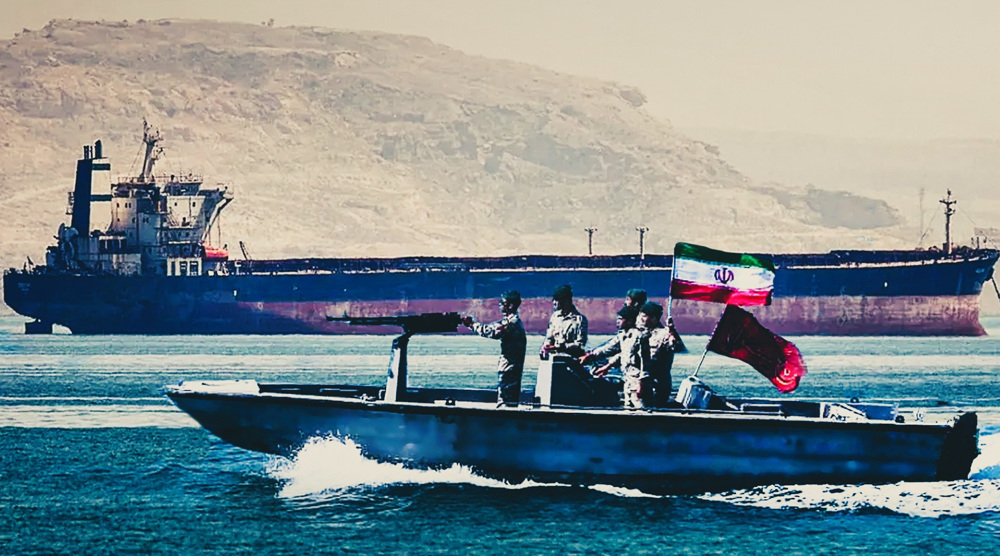
The discussion examines US allegations about the southern route of the Strait of Hormuz, with both analysts arguing that claims of smooth maritime traffic are part of a broader effort to shape perceptions and influence global oil markets. They also consider how the confrontation affects energy flows and the wider global economy.
Joining the review are political analysts Sakina Datoo and Syed Mohsin Abbas to assess the competing narratives surrounding the waterway and the tactics Washington is using to influence markets. Their analysis focuses on the gap between US claims and developments on the ground, as well as the economic interests at stake.
Datoo describes the claims about the southern route as psychological warfare designed to manipulate markets. She argues that such market manipulation ultimately serves powerful economic interests rather than ordinary consumers, contrasting it with past global crises when world officials sought collective solutions to prevent wider economic damage.
Abbas, meanwhile, argues that Iran retains effective control of the waterway, pointing to the limits of the US Navy’s ability to prevent Iranian oil shipments or challenge Iranian forces without risking escalation. He maintains that Washington’s blockade rhetoric is primarily aimed at sustaining confidence in oil markets, while actual Iranian oil exports continue through routes the US cannot fully control.