
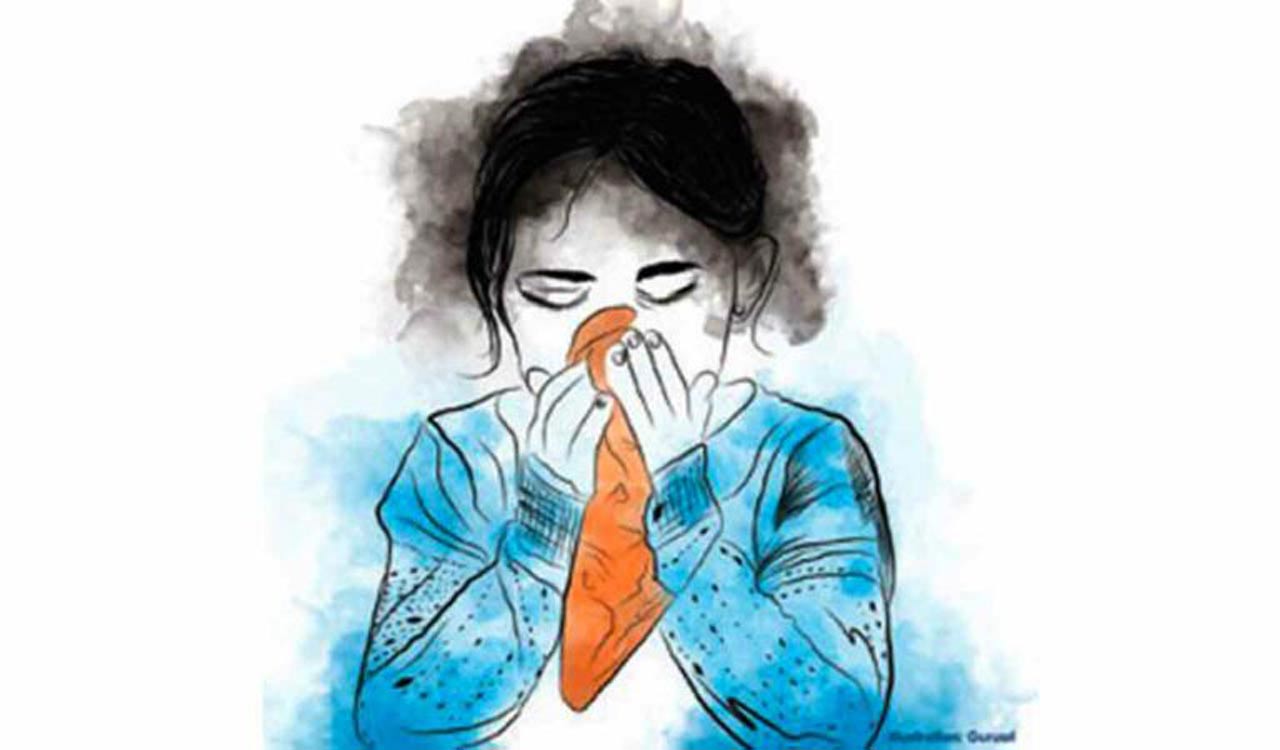
Telangana faces gaps in seasonal illness prevention and reporting, with government hospitals lacking rapid molecular respiratory testing and free annual flu vaccines for vulnerable groups. Doctors warn that mild and moderate infections often go unrecorded, affecting the accuracy of government data.
Published Date – 28 August 2026, 07:43 PM
Hyderabad: Every year, whenever there is a surge in cases of seasonal ailments, the State Health Department in Telangana issues routine advisories, urging people to stay alert and seek medical help. However, there is quite a disconnect between the routine advisories and ground realities.
On the diagnostics front, almost all the primary health centres, Basthi Dawakhanas and District Hospitals lack rapid molecular testing capacity for comprehensive respiratory testing that can quickly inform doctors about a viral infection.
Most of the treatment depends on guesswork, fuelling anger among patients, who are forced to rush to private healthcare facilities in the hope of receiving better care and a better understanding of their ailment.
At the same time, government hospitals are also not able to strengthen prevention by offering free annual flu shots for vulnerable groups like pregnant women, children, senior citizens and individuals with co-morbid conditions.
While annual flu vaccines remain financially out of reach for the average household, a severe lack of rapid diagnostic tools handicaps government doctors’ ability to respond quickly to seasonal respiratory pathogens.
Unlike childhood immunisations under the Universal Immunization Programme (UIP) or state-backed subsidised adult vaccine rollouts, Telangana State does not offer annual influenza vaccines for vulnerable demographics.
An annual influenza vaccine could go a long way in saving lives, especially among vulnerable groups, and also reduce the number of viral fever cases. However, the cost of preventive flu vaccines ranges from Rs 1,500 to Rs 4,000, effectively making them affordable only for affluent families.
On the other hand, almost all the primary health centres (PHCs) and district hospitals lack decentralised, rapid molecular testing capacity for comprehensive respiratory panels.
Clinicians on the ground cannot easily differentiate on the spot between an H1N1 infection, a common rhinovirus or an adenovirus. “This leads to massive underreporting. Mild and moderate cases of viral fevers are not recorded. Such infections are routinely written off generically as ‘viral fever’ or ‘seasonal flu’, severely impacting government data and hiding the true spread of transmission,” senior doctors said.
- Government hospitals lack rapid molecular testing
- Doctors rely on syndromic guesswork rather than definitive respiratory panels.
- Severe underreporting, as mild and moderate H1N1 cases go completely unrecorded
- Routinely, they are dismissed as generic ‘viral fevers’
- Lack of accurate diagnostics fuels overuse of unnecessary antibiotics
- There is no state-sponsored subsidised annual influenza vaccine for vulnerable groups
- Such preventive vaccines can be afforded only by affluent families
- Directorate of Public Health relies on generic, delayed advisories issued only afte