RBI’s neutral policy stance reflects the central bank’s preference to wait for greater clarity on inflation and global developments before making its next move
Published Date – 6 August 2026, 12:09 AM
The global economic landscape remains fraught with uncertainty, forcing emerging economies such as India to navigate an increasingly volatile external environment. Persistent geopolitical tensions, elevated energy prices, fragile supply chains and unpredictable financial markets have compelled the Reserve Bank of India to continue its cautious monetary policy approach. Reflecting these concerns, the Monetary Policy Committee (MPC) has unanimously decided to keep the benchmark repo rate unchanged at 5.25% for the fourth consecutive policy review. The decision underscores the RBI’s preference for prudence over premature policy action. With the global outlook clouded by the prolonged West Asia conflict, renewed inflationary pressures and trade uncertainties, the central bank has chosen to preserve policy flexibility until there is greater clarity on the trajectory of inflation and global growth. The RBI has projected a healthy GDP growth of 6.7% for 2026-27, an improvement over its previous estimate, despite external headwinds. The decision to continue the neutral policy stance reflects the central bank’s preference to wait for greater clarity on inflation and global developments before making its next move. Elevated oil prices pose inflationary risks for India, as the country imports a significant portion of its crude oil requirements. By holding the repo rate steady, the RBI aims to balance the need to support economic growth while ensuring that inflation remains within its target range amid an uncertain global environment. The RBI has flagged risks to the agriculture sector, which employs over 46% of the workforce and contributes nearly 18% to the country’s GDP.
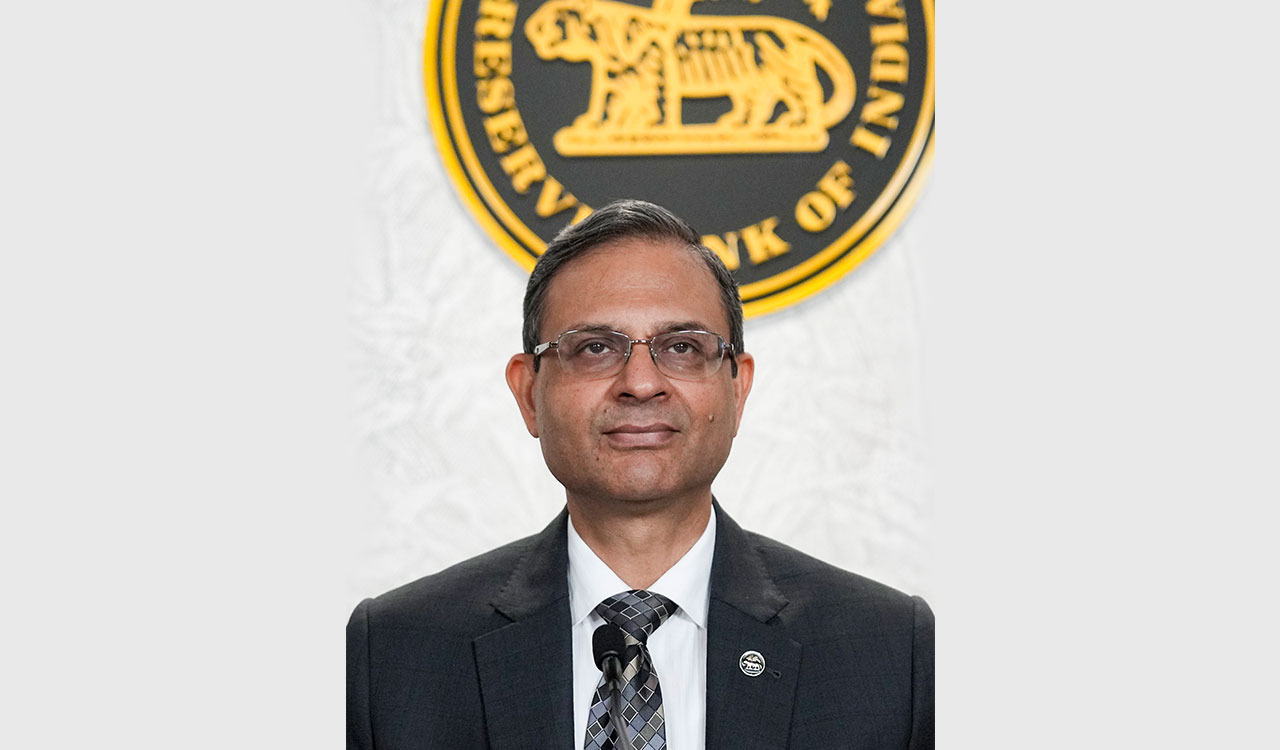
A meeting of the six-member MPC, chaired by RBI Governor Sanjay Malhotra, unanimously opted for continuation of the neutral policy stance to balance inflation control with economic stability. Inflation is expected to rise in the coming months amid uncertainty surrounding the south-west monsoon, El Niño conditions, geopolitical tensions and global trade policies. The MPC revised its inflation outlook and projected consumer price index (CPI) inflation at 5 per cent for FY27. Headline inflation is likely to increase in the near term before peaking in the third quarter and moderating thereafter. A stronger US dollar, higher bond yields and fragile public finances in several major economies are cited as downside risks to global growth. However, India’s economy has continued to perform strongly despite global challenges. Private consumption remained robust during the first quarter, while investment activity was supported by healthy construction activity, capital goods demand and strong bank credit growth. The central bank also noted that services exports remained strong and merchandise exports had recovered. A sustained momentum in the services sector, continued government infrastructure spending, stable employment conditions and healthy credit growth are expected to support domestic demand in the coming months. Rather than relying on rate hikes to stabilise the currency, policymakers appear to be focusing on creating multiple, targeted channels for durable capital inflows.