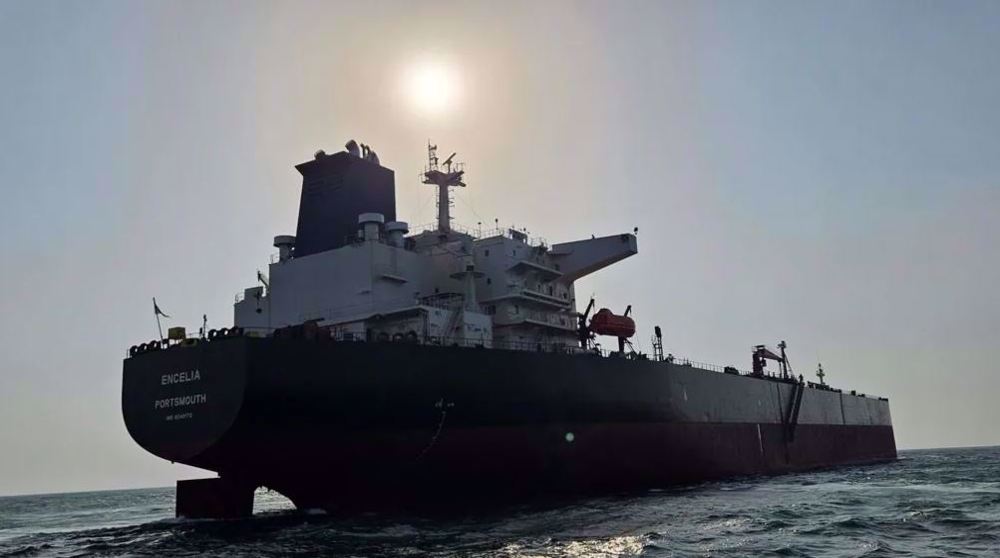
Saudi crude oil loading volumes at the Red Sea port of Yanbu have dropped by 40 percent since Yemen imposed a blockade on the kingdom in retaliation for its aggression and the decade-long siege of the impoverished country.
Maritime data intelligence firm Windward, citing data released by analytics platform Vortexa, said that the blockade imposed on Saudi Arabia is causing very significant losses. That’s while Riyadh has used an Egyptian pipeline to avoid the recently imposed Yemeni blockade.
“Saudi Arabia has established a working alternative export route via the SUMED pipeline and Cape of Good Hope,” Windward wrote in its report on Sunday, noting that this is “adding approximately $9 per barrel to transport cost.”
“Saudi crude has not stopped moving. It has bifurcated. Yanbu port has transitioned to entirely AIS-dark tanker operations at berth as vessels shield against [Yemen’s] hit list. Saudi Arabia established a working alternative export route via the SUMED pipeline and Cape of Good Hope, adding cost and voyage time but demonstrating the market’s adaptability,” the report added.
Saudi Arabia had established an alternate route via Yanbu at the start of the US-Israeli aggression against Iran and the ensuing initial Iran’s closure of the Strait of Hormuz, according to reports at the time.
The Windward report coincided with the release of SoarAtlas satellite imagery showing major fires still burning at Saudi Aramco’s Jazan Oil Refinery.
On Saturday, Yemen’s armed forces launched two coordinated operations targeting Saudi Aramco facilities in Jizan and Yanbu, striking at the kingdom’s most critical oil infrastructure with dozens of ballistic missiles, cruise missiles, and drones.
Yemen’s military spokesman Brigadier General Yahya Saree confirmed that “both operations were carried out with precision and success,” describing the strikes as retaliation for Saudi airstrikes on Hudaydah port and Kamaran Island.
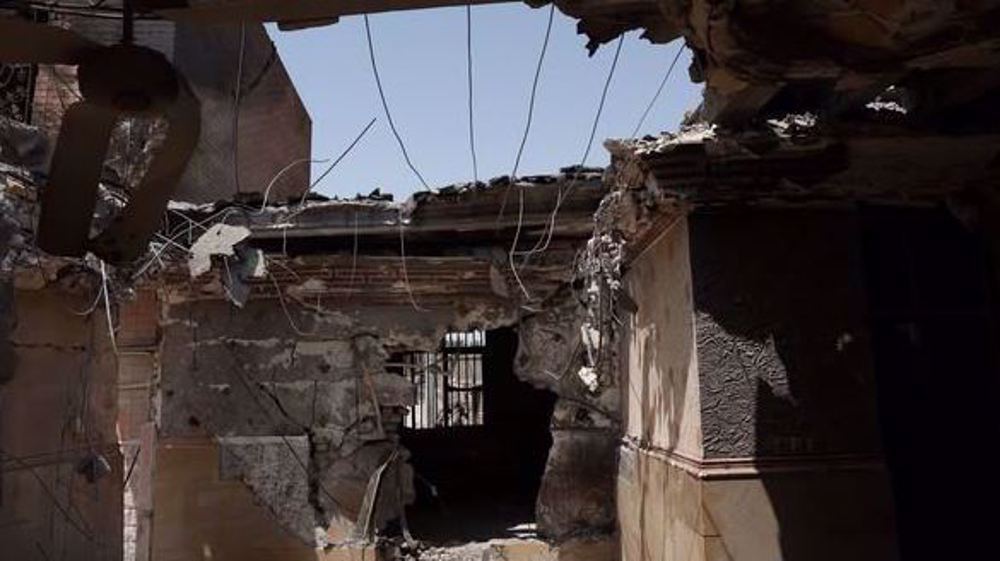
Earlier on Saturday, Saudi airstrikes hit fuel tanks and communication facilities in the western city of Hudaydah.
On Monday, the Yemeni armed forces carried out a string of operations against strategic energy facilities deep inside Saudi Arabia, striking oil depots and pipelines.
“By the grace of God, a number of sensitive sites and installations related to the supply and transport of crude oil from eastern Saudi Arabia to [the port city of] Yanbu were targeted by several drones in response to the Saudi enemy’s drone incursions into Yemeni airspace,” Saree announced in a statement on Monday.
Yemeni President Mahdi al-Mashat said on Monday, “To the Saudi enemy, we say that those who offer you false hopes will not benefit you. Anything short of ending the aggression and lifting the blockade is mere illusion.”
Tensions flared earlier this month when Saudi Arabia tried to prevent the return of an Iranian plane carrying a delegation of Yemeni officials to Tehran for the funeral of Iran’s martyred Leader Ayatollah Ali Khamenei. The plane was diverted after the Sana’a airport was bombed and landed safely in the city of Hudaydah.
Saudi Arabia and its Arab allies launched the blockade on Yemen as part of a full-scale war on March 26, 2015, with military, political, and logistical support from the United States and other Western states.
The war has killed tens of thousands of Yemenis, while consistently falling short of its main objective of restoring power to Yemen’s former Riyadh-friendly regime.
The government had fled the country amid a power struggle, prompting Ansarullah, Yemen’s popular resistance movement, to start running state affairs.
Following a fragile UN-brokered ceasefire in 2022, the United States, Britain, and the Israeli regime waged many rounds of wholesale aggression against Yemen.
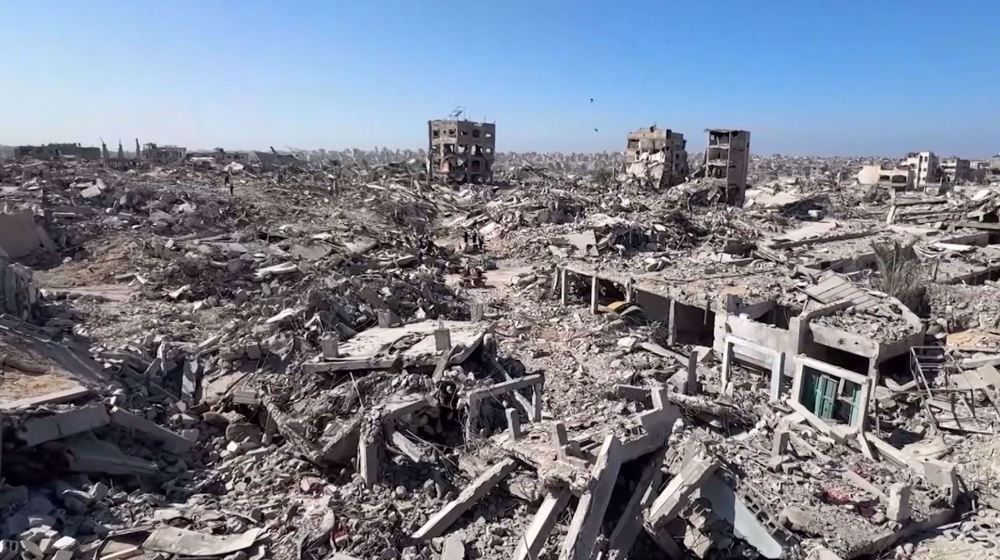
The attacks sought to cripple Sana’a’s capability to stage solidarity strikes against Israeli targets in response to Tel Aviv’s war of genocide on the Gaza Strip.