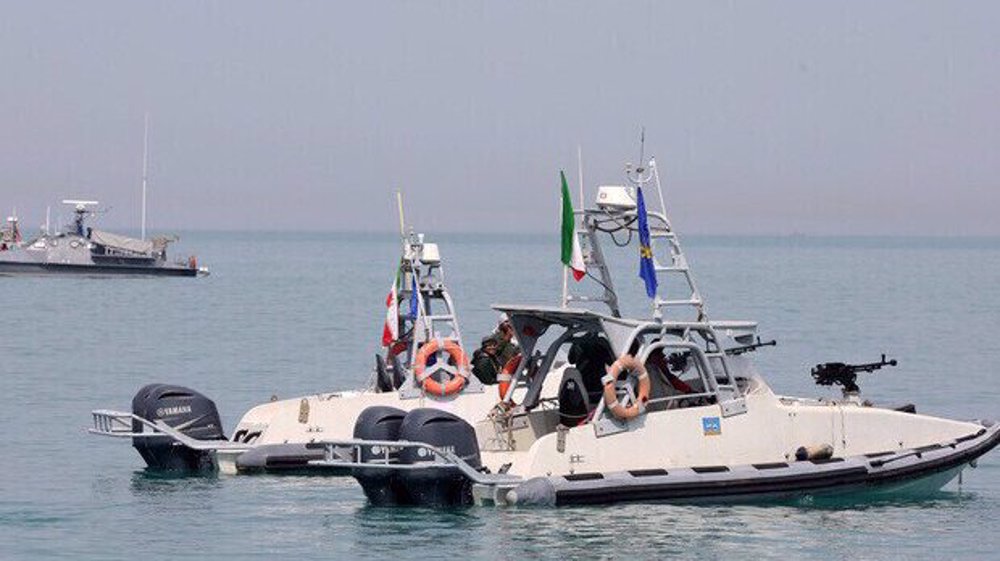
Iran’s High Council for Human Rights has strongly condemned the United States’ deliberate attacks on two Iranian maritime search-and-rescue vessels, describing the strikes as a grave violation of international humanitarian law.
In a statement issued on Sunday, the council said the United States targeted the Iranian search-and-rescue vessels Naji-15 and Naji-16 during the early hours of July 23 while they were conducting humanitarian missions in Iran’s territorial waters, urging the United Nations to investigate the incidents and hold those responsible accountable.
According to the statement, the vessels were engaged exclusively in search-and-rescue operations and were not involved in military activities or directly participating in hostilities, arguing that deliberately targeting such vessels constituted a serious breach of the rules governing armed conflict and the protection afforded to humanitarian rescue operations under international law.
The statement cited Article 27 of the 1949 Second Geneva Convention, which protects rescue craft operated by states or officially recognized coastal rescue organizations, saying the vessels were carrying out humanitarian duties at the time of the attack and therefore enjoyed legal protection under international humanitarian law.
It further described the strikes as part of a broader pattern of US attacks on humanitarian infrastructure since the start of US-Israeli aggression, noting that search-and-rescue vessels and maritime ambulances engaged in relief missions had repeatedly come under attack, while characterizing the incidents as evidence of a systematic disregard for internationally protected humanitarian assets.
The statement also noted that attacks on rescue vessels extend beyond the immediate risk posed to rescue personnel, warning that they undermine maritime safety by reducing the capacity to assist people in distress at sea regardless of their nationality.
Such actions could jeopardize the lives of civilians, sailors, and others requiring emergency assistance during maritime accidents or severe weather conditions, it added.
Iran also maintained that the attacks violated internationally recognized human rights, particularly the right to life, by impairing the ability of rescue services to respond effectively to emergencies at sea, saying weakening humanitarian response capabilities could have far-reaching consequences for anyone relying on maritime rescue operations.
The council further reaffirmed Iran’s commitment to continuing search-and-rescue services without discrimination, saying humanitarian assistance at sea would remain available to all individuals regardless of nationality or identity.
The statement also called on the UN High Commissioner for Human Rights and other relevant UN human rights mechanisms to examine the attacks, ensure accountability for those responsible, and take steps to prevent future attacks on humanitarian personnel, rescue vessels, and emergency infrastructure