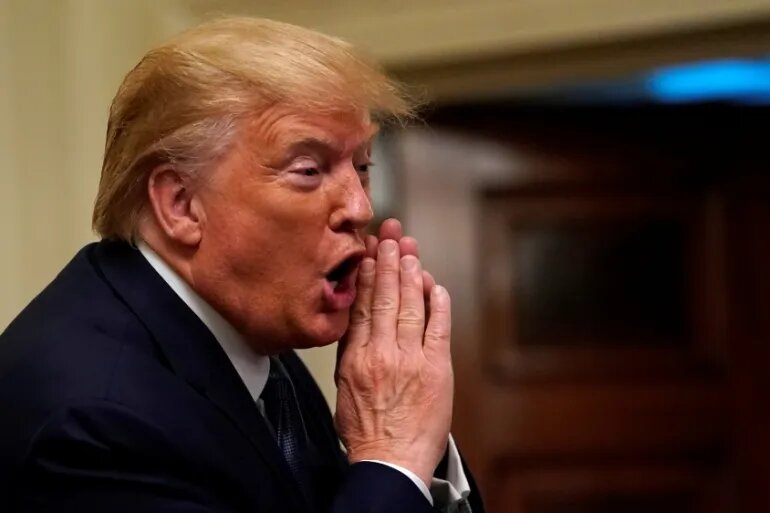
Over the past five months, Donald Trump has tested almost every instrument of pressure against Iran: from repeated threats of military action and an increased US military presence in the region, to support for the forty-day war, intensification of political pressure, and attempts to impose a naval blockade. The common objective of all these measures was to force Iran to retreat from its strategic positions, but the course of events has shown that none of these options could achieve Washington’s desired goals. Now the US president is once again speaking of possible military strikes against Iran, an option that not only previously failed to yield a favorable outcome for the United States, but also lacks any prospect of success in the view of many Western analysts.
In this context, John Mearsheimer, a prominent international relations theorist and professor at the University of Chicago, views the efficacy of the American military option with serious doubt. He believes that the US government has so far failed to explain how resuming military strikes would lead to a different result from the past. From Mearsheimer’s perspective, the use of force is meaningful only when there are political objectives that are clear, attainable, and proportionate to the costs, but such conditions are not evident in the case of Iran. For this reason, the repetition of the military option, rather than signaling a new strategy, reflects Washington’s inability to find an effective solution for changing Iran’s behavior.
The experience of recent months confirms this very reality. In the face of a range of military, security, and political pressures, Iran not only preserved its deterrence structure but also managed to raise the costs of any confrontation for the opposing side. This is not merely confined to Iran’s military capability; it encompasses a set of strategic capacities, geopolitical depth, retaliatory capability, and regional influence, components that have caused any calculation regarding military action against Iran to be surrounded by tremendous uncertainty.
For this reason, the idea that Iran could be forced to change its strategic calculus with a few limited strikes or even a large-scale military operation is inconsistent with the existing realities of the region. In recent years, it has been proven time and again that the security equations of West Asia cannot be managed with traditional patterns of military power. Any military action against Iran could trigger reactions whose scope would extend beyond the Persian Gulf and the Strait of Hormuz, affecting a significant portion of the interests of the United States and its allies in the region.
Under such circumstances, Trump’s repeated threats should be analyzed within the framework of Washington’s strategic deadlock. On the one hand, the US government does not want to create the impression that it has lost its instruments of pressure, and on the other hand, experience has shown that carrying out these threats could entail costs far heavier than any potential benefits. Thus, the language of threat, more than being a prelude to a definite action, has turned into a tool for maintaining psychological and political pressure.
From a strategic standpoint, America’s main problem is the absence of an achievable political objective. In classical theories of international relations, military power is considered effective when it serves a clear political goal. If it is unclear how a military operation would end and what achievement would result, the use of force not only fails to solve the problem but can further complicate the crisis. This is the very point that many American analysts also emphasize: that Washington still has no clear answer to the question of how it would manage the situation after any possible attack.
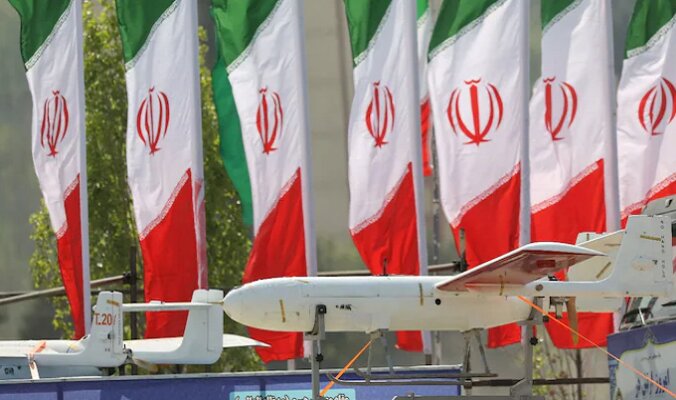
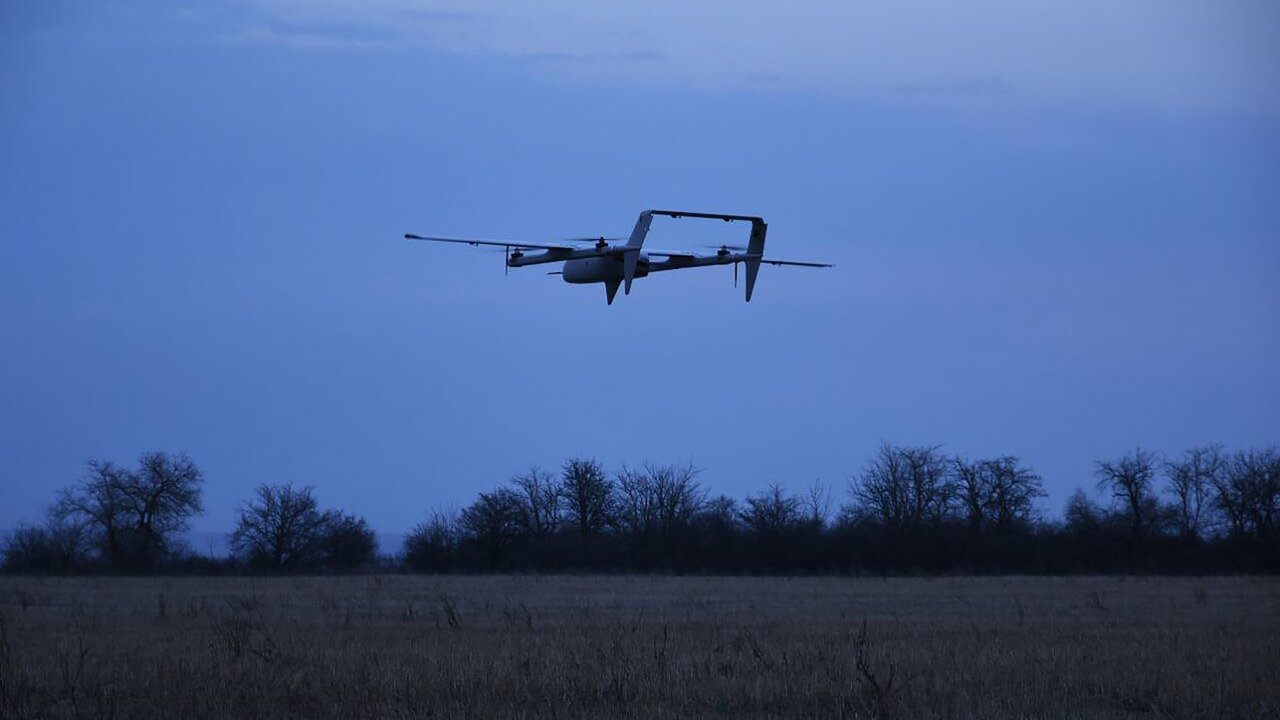
On the other hand, over the past years Iran has sought to construct its deterrence model on the basis of raising the costs of confrontation for the opposing side. This deterrence is not limited to military equipment alone; it includes a combination of defensive capabilities, missile capacities, drone power, crisis management experience, and the ability to exert influence in the surrounding environment. It is these very features that have made the military option a costly and unpredictable choice for the United States.
The reality is that any new conflict would not be confined solely to Iran’s borders. Energy security, shipping routes, global markets, and the stability of many countries in the region could all be affected by a widespread crisis. Such conditions cause even some of America’s allies to express concern over the escalation of tensions, because the economic and security costs would not be borne by Iran alone.
Alongside these considerations, the experience of America’s wars in the region over the past two decades is also relevant. Afghanistan, Iraq, and other West Asian crises have demonstrated that military superiority does not necessarily lead to political success. In many of these cases, despite enjoying superior military power, Washington failed to achieve its long-term objectives and ultimately faced heavy financial, human, and political costs. This very historical experience has led many American experts to warn against repeating such trajectories.
As a result, Trump’s return to the language of threat cannot be seen as a sign of increased strength or a shift in the balance in America’s favor. This approach, more than anything else, reflects the fact that Washington has yet to find an effective replacement for its failed past policies. When various instruments of pressure have not yielded the desired outcome, repeating the same threats, rather than indicating initiative, mirrors the shrinking of strategic options.
Accordingly, although verbal threats may influence the political and media atmosphere in the short term, as long as they lack the backing of a realistic strategy and achievable objectives, they are unlikely to alter the existing equations. The reality is that the Iran–America equation is no longer defined solely on the basis of military superiority; rather, a set of political, security, economic, and regional factors play a role, factors that have made any decision about the use of force an immensely complex issue.
From this perspective, the repetition of Trump’s threats must be regarded as a sign of the persistence of a vicious cycle; a vicious cycle in which Washington is once again returning to an option that has already lost its effectiveness. Until the United States can devise a strategy commensurate with the new realities of the region and Iran’s deterrence capabilities, the likelihood of achieving results different from the past will remain slim. Under these conditions, the language of threat, more than expressing strength, reflects the strategic deadlock of the White House in confronting Iran, a deadlock that has left Washington still wandering between a display of power and an inability to realize its goals.
MNA