Russia and China opposed a Western-backed UN Security Council meeting on Iran on Friday, stressing that Resolution 2231 expired in October 2025 and that the Council no longer has a mandate to discuss Tehran’s nuclear file, despite the meeting proceeding after a procedural vote.
Russia and China pushed back against Western efforts to keep Iran on the UN Security Council’s agenda on Friday, saying Resolution 2231 has expired and that the Council no longer has any legal authority to consider Tehran’s nuclear dossier.
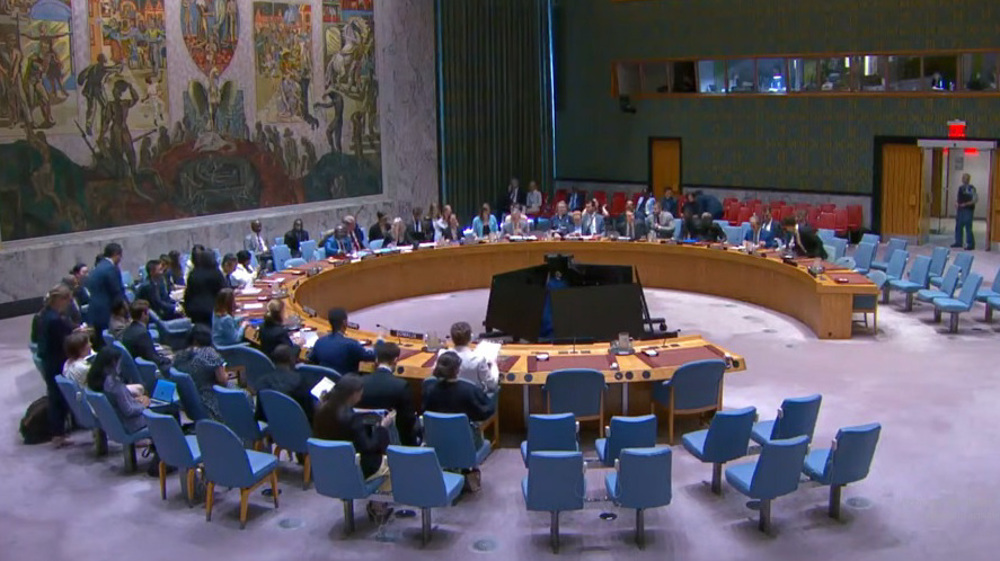
The meeting was convened at the request of the European members of the Security Council despite objections from Moscow and Beijing. It went ahead after a procedural vote passed with 11 votes in favor, two against and two abstentions.
It marked the third Security Council meeting on the issue since Resolution 2231 expired on October 18, 2025. Two previous meetings were held in March and June this year but produced no formal outcome.
Resolution 2231, adopted in 2015 to endorse the JCPOA (Joint Comprehensive Plan of Action) or the nuclear deal signed between Iran and 5+1, expired on October 18, 2025.
Iran, Russia and China maintain that all provisions, restrictions and Security Council responsibilities under the resolution ended on that date, leaving the Council without any remaining mandate over the Iranian nuclear issue.
They have also stressed that attempts by Britain, France and Germany to invoke the so-called “snapback” mechanism were legally and procedurally invalid because the resolution has terminated.
Speaking before the meeting, Russia’s Deputy Permanent Representative to the United Nations, Anna Evstigneyeva, said Resolution 2231 no longer has operational force and that the Security Council has had no mandate to consider issues related to it since October 17, 2025.
She said some Council members were disregarding established rules by repeatedly calling meetings on matters that were no longer on the Council’s agenda for political purposes.
Evstigneyeva also said Russia firmly rejects unjustified attempts to escalate tensions around Iran or to use the Security Council as a venue for political score-settling with Tehran.
She further said claims that the “snapback” mechanism had been activated lacked any legal basis.
China’s Deputy Permanent Representative to the United Nations, Sun Lei, echoed Russia’s position.
Sun said Resolution 2231 expired on October 18, 2025, bringing the Security Council’s consideration of Iran’s nuclear issue to an end.
He said efforts by some countries to insist on holding meetings about an issue that has already left the Council’s agenda undermine the atmosphere needed for negotiations.
Sun also warned that politicization inside the Security Council was deepening divisions among Council members and creating obstacles to achieving a political solution.
He called on the parties concerned to implement the provisions of Resolution 2231 in good faith and safeguard both the authority of the Security Council and multilateral diplomacy.
During the meeting, the United States and its Western allies repeated allegations regarding Iran’s peaceful nuclear program and its defense capabilities. The session, however, concluded without any decision, resolution or other formal outcome.
Iran, China and Russia have consistently argued that the expiry of Resolution 2231 permanently ended all Security Council measures and restrictions linked to Iran’s nuclear program.
In a joint letter submitted to the United Nations after the resolution expired, the three countries said the conclusion of Resolution 2231 marked the end of the Security Council’s consideration of the Iranian nuclear issue while rejecting renewed efforts to use the Council to revive expired mechanisms.