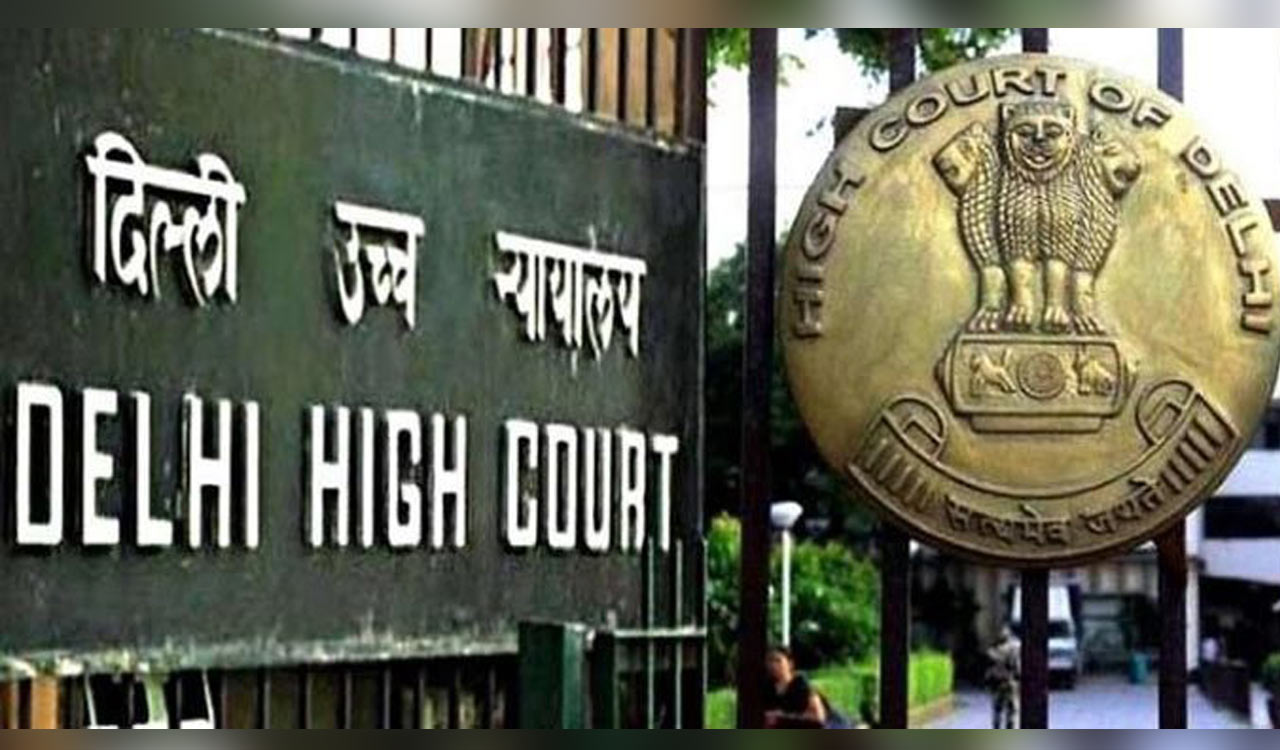
Google and Meta told the Delhi High Court they cannot proactively monitor or remove unauthorised court hearing clips without specific URLs or legal directions. The court deferred the matter to August 27 while considering a plea seeking contempt action and content removal
Published Date – 6 July 2026, 08:37 PM
New Delhi: Tech giants Google and Meta have told the Delhi High Court that they cannot proactively monitor and act against the unauthorised publication and dissemination of clips of court hearing on former chief minister Arvind Kejriwal’s plea seeking recusal of Justice Swarana Kanta Sharma in the liquor policy case.
Google LLC, which runs YouTube, and Meta Platforms Inc, which runs Facebook and Instagram, filed their affidavits in a petition by lawyer Vaibhav Singh against the unauthorised recording and sharing of the court proceedings held on April 13.
The PIL also sought contempt action against AAP leaders — Kejriwal, Manish Sisodia, and Sanjay Singh — and others for allegedly uploading and sharing the clips in violation of the high court rules.
On Monday, a bench of Justices V Kameswar Rao and Manmeet P S Arora deferred hearing on the petition till August 27, noting that Kejriwal, Sisodia and certain other politicians were yet to be served.
The other respondents in the case include Congress leader Digvijay Singh, AAP leaders Sanjeev Jha, Mukesh Ahlawat, and Jarnail Singh, and journalist Ravish Kumar. The two US-based tech giants filed their affidavits in the matter and stated that while the content flagged by the petitioner in the plea was no longer available, they cannot proactively monitor the re-surfacing of the content.
Their affidavits asserted that whenever specific unlawful content is reported or there is a judicial direction, such content is removed as per the law, but there is not legal mandate on the intermediaries to proactively monitor and act against any content.
Stating that it cannot become a “super censor”, Meta said in its reply, “There are over 2.9 billion users of the Facebook Service worldwide. Further, there are more than 1 billion users of the Instagram Service worldwide. In addition, every day, billions of pieces of content are posted and shared on Facebook Service and the Instagram Service.”
“Accordingly, it is impracticable (if not impossible) for Meta to locate or identify the Contested Content allegedly posted on the Facebook Service or Instagram Service without URLs,” it said.
Meta said section 79 of the Information Technology Act and a Supreme Court judgement grant it immunity from liability unless it fails to comply with a take-down order despite having “actual knowledge” of the contested content from a valid court order or direction from a notified agency.
Similarly, Google said, “YouTube is a dynamic platform where millions of videos are uploaded every hour throughout the world. Therefore, it is impossible for the Answering Respondent to proactively monitor the videos uploaded on the YouTube platform and have any specific knowledge of the contents of each such video or be able to sift through millions of videos to determine which of them contain the subject proceedings, to what extent or in what manner as to be violative of the applicable law.”
Journalist Ravish Kumar, in his reply, said he did not upload the court clips in question and at the highest, the allegation against him was that he shared /commented on the material which was already in the public domain and had been disseminated by numerous political functionaries and news organisations.
Seeking dismissal of the contempt plea, he asserted that his post on ‘X’ was merely a “journalistic reporting/comment” and did not contain any defamatory imputation against the high court judge.
On April 23, the court had said that unauthorized recording, uploading and publishing of court hearings was prohibited under the high court rules, and sought the social media platforms’ stand on ensuring the removal of the clips of the court hearing.
The petition has claimed that several AAP leaders and members of various other opposition parties, including Congress leader Digvijay Singh, “intentionally and deliberately recorded and circulated” videos of Kejriwal’s appearance before Justice Sharma on April 13 on social media with the intention to malign the image of the court in the eyes of the public.
It, therefore, sought initiation of contempt action against the respondents and the removal of the content from social media.
On April 20, Justice Sharma refused to recuse herself from hearing the liquor policy case, saying a litigant cannot be allowed to judge a judge without any material, and judges cannot recuse themselves to satisfy a litigant’s unfounded apprehension of bias.
Justice Sharma subsequently sent the matter to another bench after initiating contempt proceedings against Kejriwal, Sisodia and Durgesh Pathak for their “vilifying” social media posts against her. The suo motu contempt case is pending in the high court.