Leaders gather for the NATO summit in Ankara amid disagreements over Iran, defence spending and the alliance’s future. European allies remain divided over US priorities, while protests against NATO and rising military expenditure highlight growing public skepticism across member states
Published Date – 6 July 2026, 08:59 AM
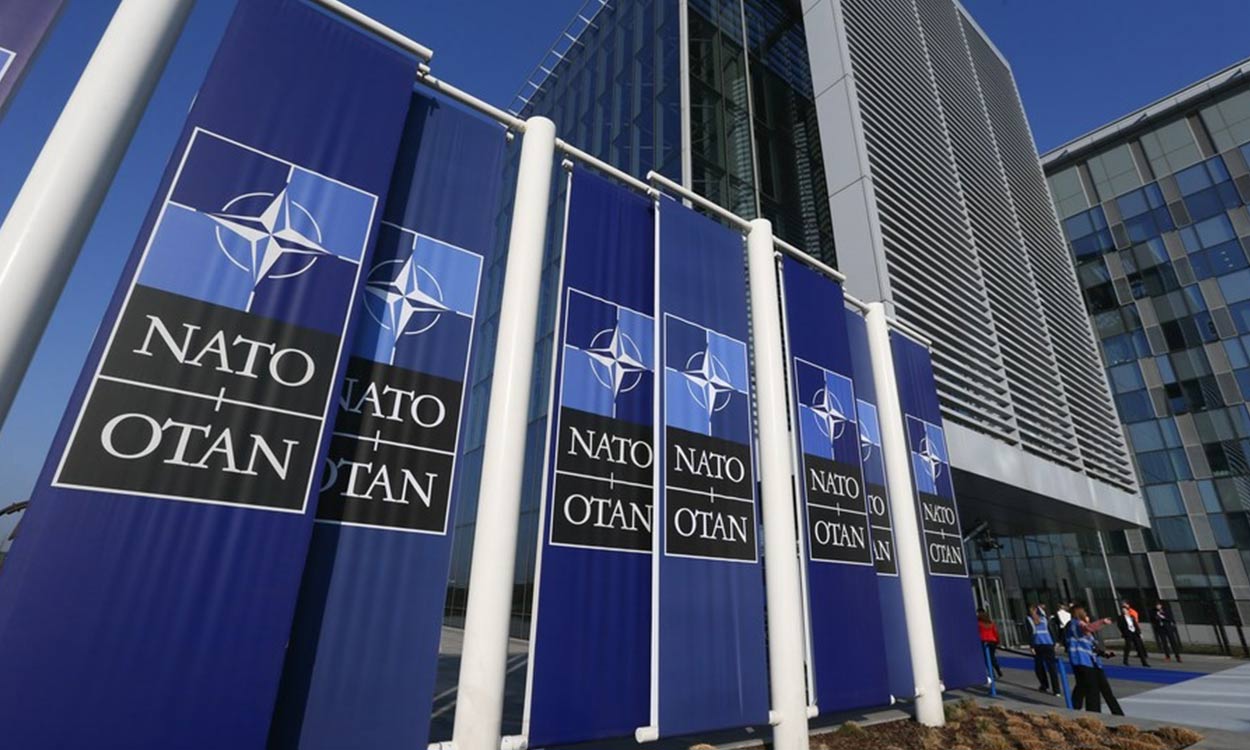
Ankara: As leaders of the North Atlantic Treaty Organization (NATO) prepare to meet in Ankara this week, the alliance is seeking to project unity at a time when disagreements over strategic priorities, defence spending, and its long-term purpose have become increasingly difficult to conceal.
The summit, set for Tuesday and Wednesday, comes against a backdrop of diverging approaches to the recent US military operation against Iran, continued debate over ambitious defense spending targets, and growing public criticism of NATO across parts of Europe.
The latest signs of discord emerged after the United States and Israel carried out military strikes against Iran starting in late February. While several NATO allies expressed political support for Washington’s stated objective of preventing Iran from acquiring nuclear weapons, none agreed to take a direct role in the operation.
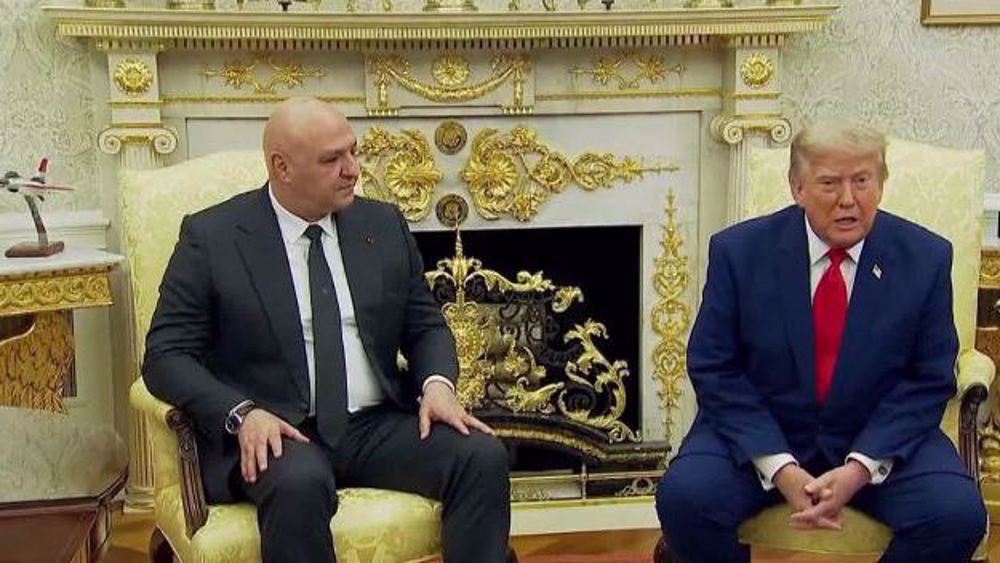
The reluctance of NATO allies to send warships to support US efforts to “reopen” the Strait of Hormuz prompted criticism from US President Donald Trump, who harshly accused European allies of benefiting from US security guarantees while avoiding the risks associated with military action, Xinhua news agency reported.
Oytun Orhan, a senior researcher at Ankara’s Center for Middle Eastern Studies, said many European members viewed the US strikes on Iran primarily through the prism of regional stability rather than solidarity with Washington.
“A direct military role could have exposed them to retaliation, disrupted energy supplies, and increased migration pressures at a time when many countries are already facing significant domestic challenges,” Orhan said. Serkan Demirtas, an Ankara-based foreign policy analyst and journalist specializing in NATO affairs, believes the European response reflects lessons learned from previous conflicts.
“Experiences in Iraq, Afghanistan and Libya have made many European governments much more reluctant to participate in military operations without broad international legitimacy and clearly defined objectives,” he said.
A major issue expected to dominate the summit is the implementation of the agreement reached at last year’s NATO Summit in The Hague, where allies committed to increasing defense-related expenditure to 5 per cent of gross domestic product by 2035. The target is widely seen as a key part of the Trump administration’s push for what it has called “NATO 3.0,” which aims to shift the primary responsibility for Europe’s conventional defense from Washington to European member states.
Trump has long threatened to reconsider US security guarantees for NATO allies if they do not increase defense spending. While the 5-per cent target has been set, analysts question whether all member states will be able to meet it.
Unal believes several European governments accepted the target mainly to avoid confrontation with Washington. “Agreeing to a target for 2035, which is still a decade ahead, was politically easier than opposing the United States directly, which could create serious tensions,” he said.
Unal argued that implementation faces major obstacles, as some European countries are experiencing slow economic growth, high public debt, and aging populations. Domestic politics, he added, could become an equally important constraint as European societies generally place health care, education, and social welfare ahead of defense spending.
“Governments may find it difficult to convince voters that such dramatic military budget increases are necessary,” he said.
Beyond disputes over its policy, NATO itself is confronting public skepticism. Ahead of the summit, anti-NATO demonstrations were held in Ankara, Istanbul and Izmir, with protesters denouncing the alliance as an “imperialist war organization” threatening peace and stability, and accusing it of taking resources away from education, health care, and workers’ pay.
The demonstrators carried banners reading “NATO wants war, workers want peace,” “Budget for the people, not for NATO,” and “No to NATO, no to war,” while chanting slogans against the alliance. Similar demonstrations took place in 2025 and 2026 in the Netherlands and Spain.
In Istanbul, workers, civilians, and members of political parties joined large rallies over the weekend, calling for NATO’s dissolution and voicing strong opposition to the alliance’s pressure on member states to increase military expenditure.
The Ankara summit is expected to announce major defense procurement agreements, many of which are likely to benefit U.S. defense manufacturers. “American defense companies naturally benefit when allies purchase NATO-compatible military equipment,” Unal said.
“There is no doubt that the United States exercises considerable influence over the alliance’s strategic direction.” Baris Doster, a scholar at Istanbul-based Marmara University, said anti-NATO protests reflect public anxiety over the domestic costs of rising militarisation.
“NATO is not an ordinary, simple defense and security organization. It is an organization with economic, political and ideological preferences. It is the gendarme of capitalism, imperialism, and liberalism under US leadership,” he said.