“These attacks violate the most fundamental rules of world order since 1945 – the prohibition on the aggressive use of military force and the duties to respect sovereignty and not to coercively intervene in another country,” the experts said.
“The responsible US political and military leaders may also be liable for the international crime of aggression,” they added, according to the website of the Office of the United Nations High Commissioner for Human Rights.
“The attacks also seriously threatened human rights, including the rights to life, security of the person, health, a clean environment and self-determination of the people of Iran,” they said.
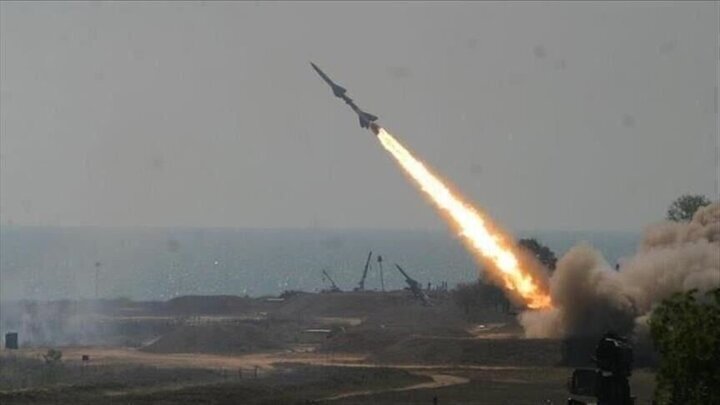
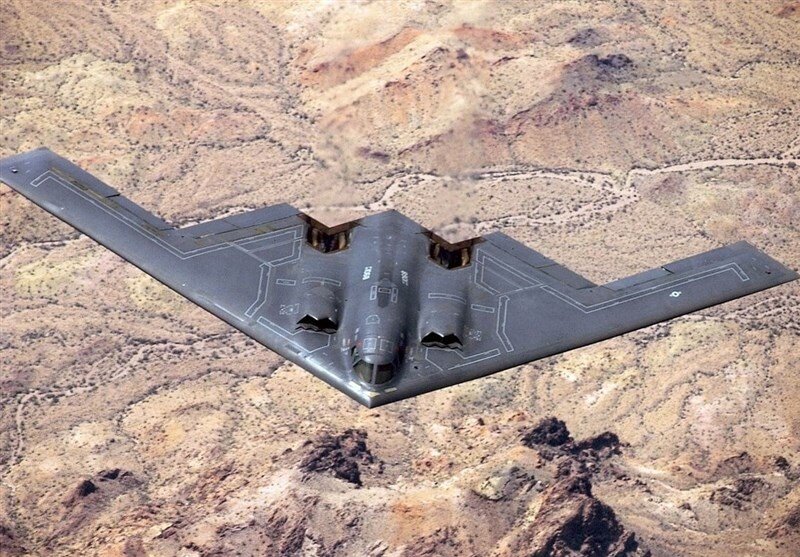
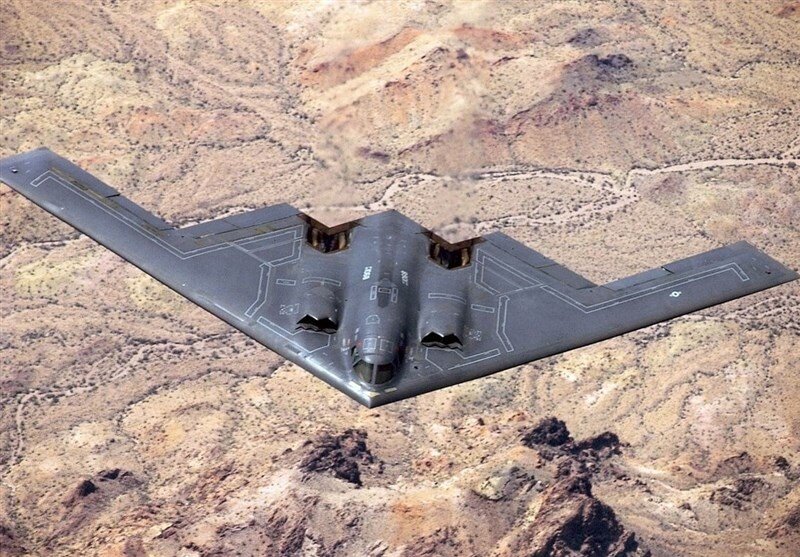
The US launched 75 munitions by air and sea against the facilities at Fordo, Natanz and Isfahan, causing extensive damage.
Article 2(4) of the Charter of the United Nations prohibits the threat or use of force against any state, except in self-defense or if the Security Council approves. Self-defense is only available in response to an actual or imminent armed attack by another country.
“Iran has not attacked the US or Israel with a nuclear weapon. There is no evidence whatsoever that Iran intends to imminently attack the US or Israel with a nuclear weapon.”
“Preventive” or “anticipatory” self-defense against speculative future threats, such as nuclear proliferation or terrorism, has not been permitted by international law since the United Nations Charter was adopted 80 years ago.
“Accepting preventive self-defense would unleash a catastrophic era of ‘might is right’, where powerful countries could bomb others to advance their security or foreign policy interests. This would fuel corrosive suspicion, ‘arms races’ and destabilizing ‘balance of power’ alliances – precisely what the post-1945 order, out of the ashes of a world war, aimed to avoid,” they said.
“It would further destabilize the Middle East region and increase the risk to human rights everywhere.”
The experts affirmed the view of the International Atomic Energy Agency (IAEA) that nuclear facilities must never be attacked as doing so could cause the release of radioactive material with devastating impacts on the environment and human rights, including the rights to life, personal security, health, protection against arbitrary displacement and the rights of the most vulnerable and marginalized communities. International humanitarian law generally prohibits attacks on nuclear facilities.
MNA