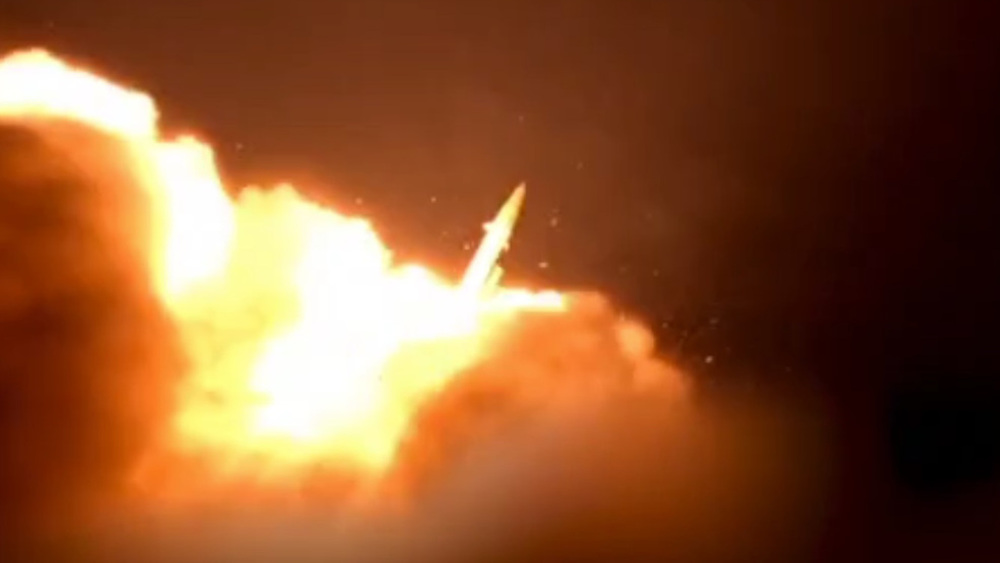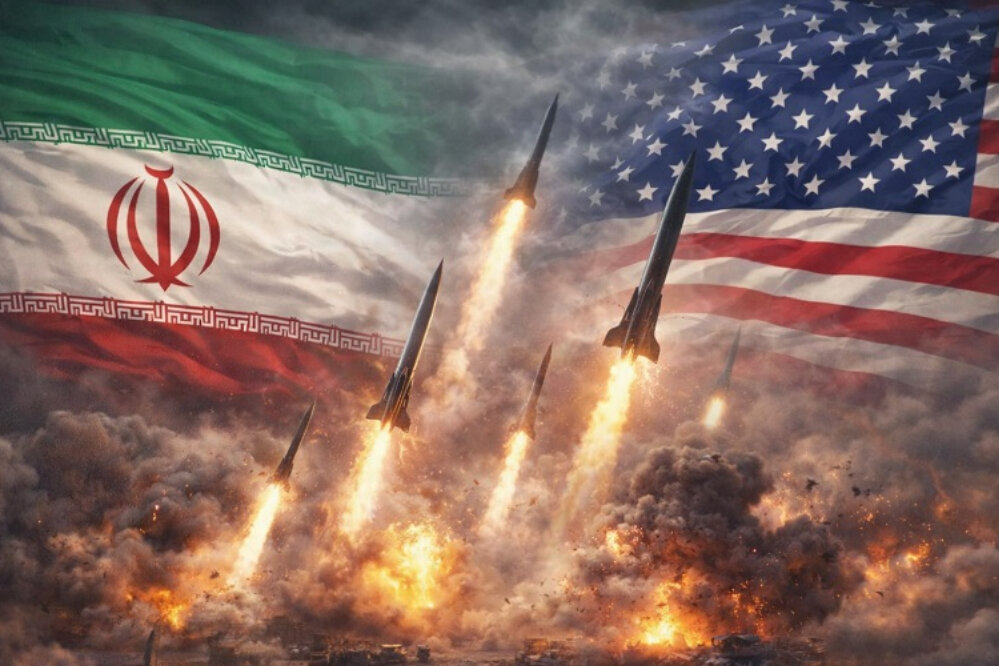
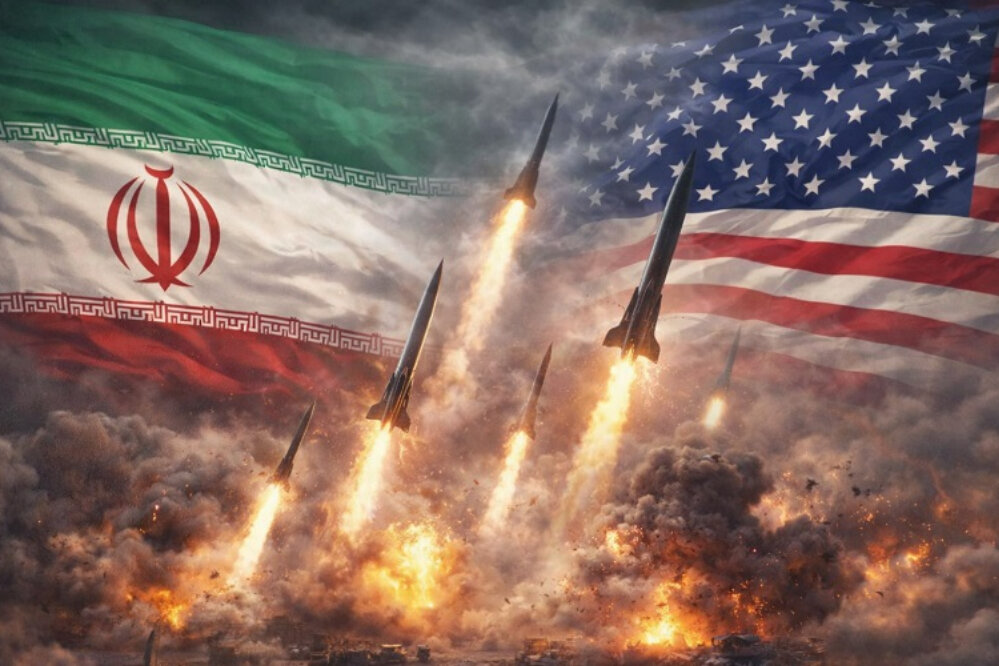
Throughout history, great powers have fallen from their positions not so much as a result of military defeats, but rather due to strategic errors and misguided decisions that have eroded their power. Some wars not only fail to achieve the declared objectives of their initiators, but become a turning point in their decline. The American military attack on Iran can be assessed within this same framework. This action was meant to be a show of force that would flaunt Washington’s superiority to rivals and allies alike, yet in practice it became an event that exposed the limits of American power more than ever before.
Prior to this war, the United States sought to project an image of itself as still the principal determining actor in the international system—one without whose will no major crisis could be resolved. But the developments of the forty-day war and its aftermath demonstrated that there is a considerable gap between this image and the realities of the international arena. This very issue has led many analysts to cite this war as a significant point in the process of America’s declining global credibility and influence.
The Gap Between Declared Objectives and Actual Results
One of the most important measures of a great power’s success is the degree to which it achieves the objectives it sets for its actions. In attacking Iran, the United States pursued a set of political, security, and strategic goals—from projecting power and restoring deterrence to compelling Tehran to accept terms favourable to Washington and consolidating the position of its regional allies.
But what occurred in practice fell considerably short of these objectives. Not only was Iran’s political will unbroken, but Tehran was able to preserve its capabilities, and the course of developments ultimately moved towards agreement and a ceasefire. This demonstrated that the use of military force, contrary to the prevailing assumption in certain American circles, is no longer sufficient on its own to achieve political objectives.
In fact, when a great power deploys the full range of its military tools but is ultimately forced to settle for outcomes short of its initial goals, the message communicated to the world is that the power in question has a more limited capacity for influence than it claims. Such a situation gradually erodes that country’s strategic credibility and affects the calculations of other international actors.
The Erosion of America’s Deterrent Credibility
Deterrence has been one of the United States’ most important strategic assets in recent decades. A significant part of Washington’s global influence derived not from the direct use of force, but from the belief that America, should it decide to act, was capable of imposing its will on others.
The war against Iran, however, raised serious questions about this perception. If a great power possessing the most extensive military capability in the world cannot fully achieve its strategic objectives, it is natural that its deterrent credibility also comes under scrutiny. This issue is not confined to Iran; all international actors closely observe the outcomes of such wars and adjust their assessments accordingly.
America’s rivals will draw the conclusion from these developments that Washington is no longer able to impose its will on the international environment as it once did. Meanwhile, America’s allies may also begin to doubt the reliability of its power. Together, these two trends can lead to a decline in American political influence across various regions of the world.
The reality is that deterrent power does not depend solely on the number of fighter jets, warships, or missiles, but also on the degree of political credibility arising from the successful use of these tools. The greater the gap between apparent power and actual results, the more deterrence is damaged.
The Shift in Global Perception of American Power
One of the most significant consequences of this war must be sought in the realm of perception and image-making. In international relations, what countries imagine about an actor’s power is sometimes as important as the power itself. For decades, the United States had endeavoured to present an image of an undisputed global power—a power capable of altering the course of events anywhere in the world.
The war against Iran, however, challenged this image. Many countries have now concluded that the international system has entered a more multipolar phase, and that even the world’s most powerful actor faces serious limitations. This shift in perception can have long-term effects on the behaviour of states. Countries that previously exercised extensive caution in their decision-making out of regard for America’s reaction may now pursue independent policies with greater confidence. Rising global powers, too, observing these developments, will seek to play a more active role in international equations. For this reason, the significance of this war is not confined to its results on the ground, but also lies in the impact it has left on the mindset of governments, elites, and global public opinion regarding America’s true standing.
The Beginning of an Erosive Process?
It may be an exaggeration to claim that a single war can alone bring about the decline of a superpower, yet history shows that great trends are typically shaped by a series of decisions and events. Just as the Vietnam War became a symbol of the limits of American power in the twentieth century, and the wars in Iraq and Afghanistan also inflicted considerable damage on Washington’s global credibility, the war against Iran, too, may be inscribed in the world’s strategic memory as yet another example of the inability of military power to achieve political objectives.
The reality is that the global standing of nations rests above all on credibility, trust, and the capacity to convert power into outcomes. When this chain is disrupted, even the world’s greatest powers face the challenge of diminishing influence. From this perspective, the attack on Iran was not merely a military operation, but rather a test for measuring the degree to which American power is effective in the world today—a test whose results have raised serious questions about Washington’s future place in the international system.
Conclusion
Ultimately, the significance of America’s war against Iran should not be sought merely in its military dimensions. What has made this war a defining event is the exposure of the gap between Washington’s claims and its actual capacity to shape international developments. Although the United States remains the world’s most powerful military actor, the results of this war demonstrated that, in today’s world, military power alone is not sufficient to impose political will. From this vantage point, the attack on Iran, more than a symbol of American power, is an indication of its increasing limitations in the international system and the beginning of a new phase in the redistribution of global power.
MNA