Under CEO Asha Sharma, Xbox is undergoing sweeping changes, including Game Pass revisions, the return of console exclusives, new hardware plans and studio restructuring. Microsoft hopes these moves will rebuild Xbox’s identity and strengthen its position in gaming.
Published Date – 22 June 2026, 03:23 PM
Hyderabad: To say Asha Sharma’s tenure as the CEO of Xbox has been off to a fast-paced start would be an understatement; the last couple of months have witnessed the implementation of significant changes, some of which undo elements that were deemed essential to the previous strategy.
It started at the end of April with a price reduction for Game Pass and a restructuring of the services lineup, alongside the decision that Xbox’s new golden goose, Call of Duty, will no longer be available as a day-one game.
Secondly, the start of June saw the return of game exclusivity to the Xbox stable, with games like Gears of War: E-Day and Clockwork Revolution being announced as permanent exclusive titles. This development is part of a new strategy to build a healthy, sustainable ecosystem around Xbox consoles and to give the next generation of hardware a fighting chance.
The next bit of news is also from early June and relates to the next generation of Xbox gaming hardware. Asha acknowledged that with the current prices of computing components, not everyone will be able to afford ‘Project Helix’, the upcoming high-end device.
That brings us to this week, where we witnessed a bittersweet paradox: Xbox held a massive showcase revealing breathtaking new games and reviving much-loved franchises, only for fans to learn that the very studios behind them are either being closed or put up for sale.
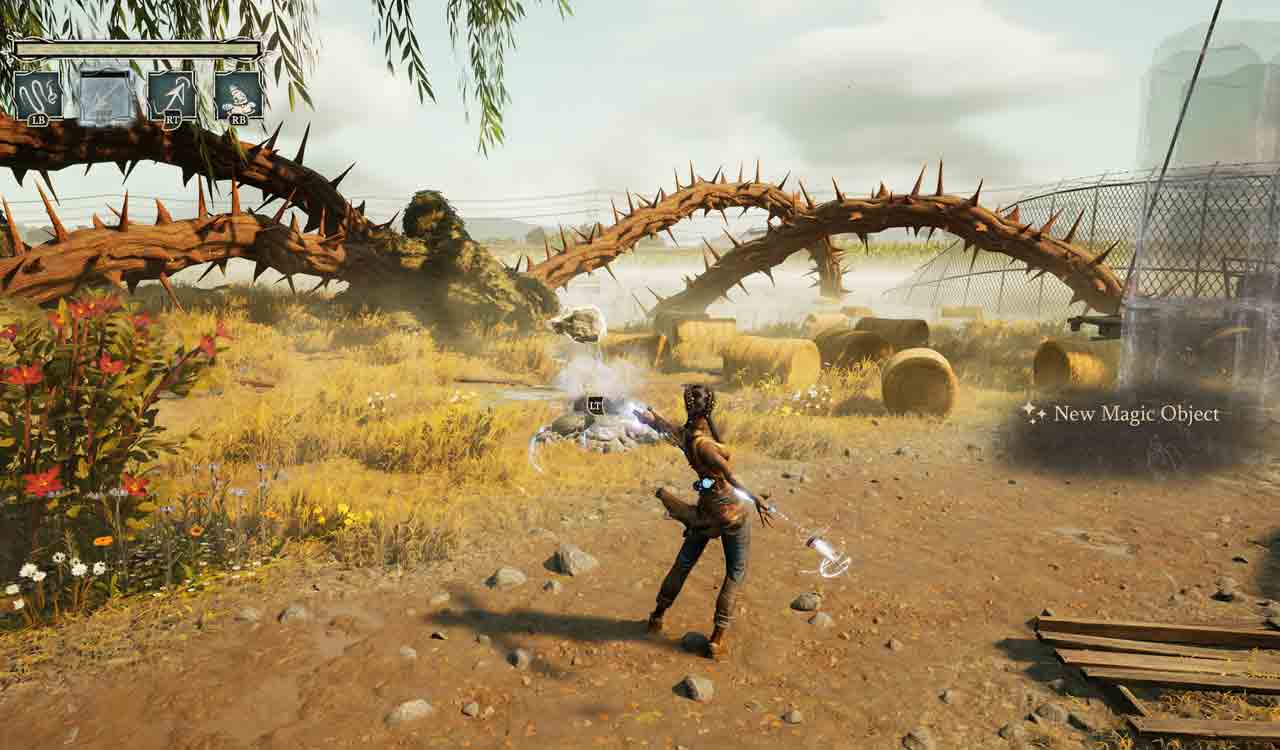
This includes Ninja Theory (the team behind the upcoming third Senua game), Double Fine (Psychonauts 2), Compulsion Games (South of Midnight), and Arkane (Deathloop). The ultimate irony, according to industry insiders, is that Microsoft allowed Ninja Theory to present the new Senua title at the showcase after the decision had already been made to shut the studio down. Some of them went as far as to claim that this was in the hope that Ninja Theory would attract a buyer through the event.
While the changes at Xbox are fast, numerous, and at times come across as random, it is important to acknowledge that the world’s largest gaming company is currently experiencing its most chaotic era ever. Asha inherited a collage of some of the world’s greatest studios, but there was no cohesive strategy to make them click or come together.
The console division was struggling, and the numerous games in production lacked a viable market to be sold to. Consequently, exclusivity was dropped, and Microsoft games were made available on the PS5 and the Nintendo Switch – a move that secured new markets, sure, but at the cost of the core Xbox identity.
As Microsoft realises what it means to return to a market that has become increasingly monopolistic year after year, and realises this with GTA VI virtually launching as a platform exclusive. It needs to give gamers reasons to care and build aspirations around new consoles – consoles that need to have their own ecosystems and seem attractive to potential buyers.
If, in the process, this means some studios either find independence or acquire new homes that are a better fit for their games, who are we to stand in the way? It’s better for the gaming industry if Microsoft returns as a dominant hardware force – and even better if leadership can finally make sense of the mangled mess the brand currently finds itself in.