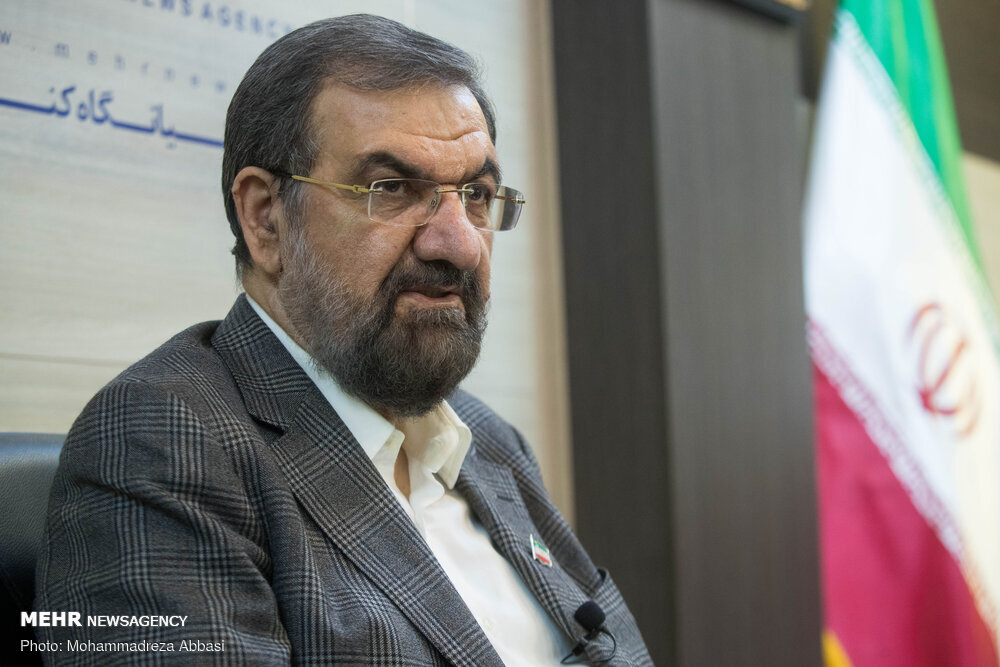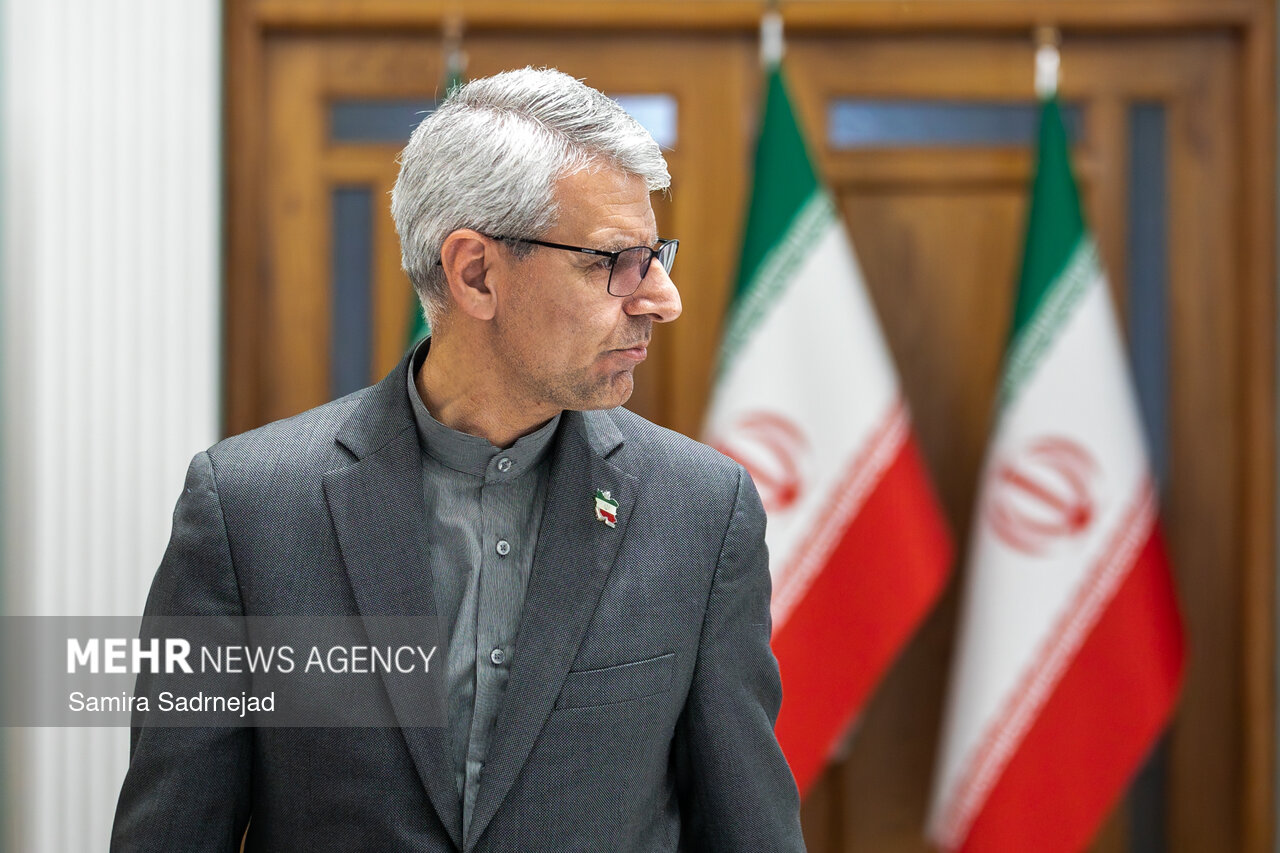
Foreign Ministry spokesman Esmail Baghaei told Iranian state television (IRIB) after the Bürgenstock summit that the talks covered the remaining clauses needed to launch final negotiations. “Good progress was made” on issuing licences for Iranian oil sales and freeing the country’s frozen assets, he said, and the sides agreed to establish a mechanism for safe passage of ships through the Strait of Hormuz.
Baghaei said the sessions, which began Sunday morning and stretched over 18 hours, were disrupted when a threatening U.S. comment was published during the four-party meeting, prompting Iran to declare it would not continue in that format. Qatar and Pakistan, the two mediators, intervened to keep the talks ongoing, but the discussions continued in a non-four-party arrangement, he said.
He said Iran’s concerns about U.S. bad faith were raised repeatedly, particularly regarding continued Israeli ceasefire violations in Lebanon. A new mechanism involving the mediators was formed to monitor the end of the war and the stop the fighting in Lebanon, aimed at ensuring the durability of peace.
Baghaei said the Iranian negotiating team’s job at this stage is finished, but technical teams will continue their work on Tuesday.
The Bürgenstock talks were the first face-to-face diplomatic engagement since the signing of the June 18 ceasefire memorandum. Iran has consistently insisted that the U.S. must be held accountable for any breach, particularly the requirement to stop Israeli operations in Lebanon, where strikes have killed more than 4,000 people since March 2.
MNA