
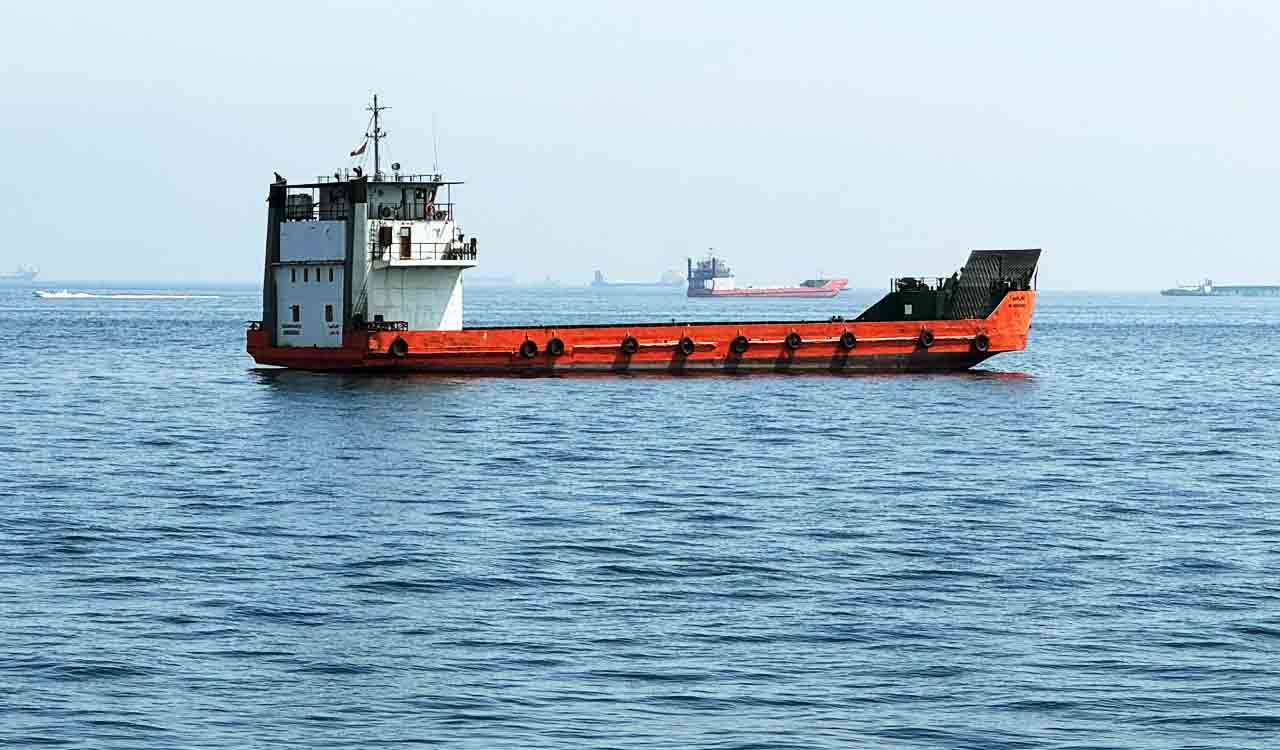
Around 80 million barrels of crude oil await transit through the Strait of Hormuz as a tentative US-Iran peace deal restores shipping. Oil prices have eased, inflation may moderate, and new Iranian regulations now require advance permits, registration, and insurance for vessels
Published Date – 20 June 2026, 10:40 AM
New Delhi: Nearly 80 million barrels of crude oil are ready to transit the Strait of Hormuz if a tentative US‑Iran deal leads to a sustained reopening of the vital shipping corridor. About 40 very large crude carriers (VLCCs), loaded with non‑sanctioned Gulf crude, are currently stationed inside the Persian Gulf.
Apart from them, Iranian oil and smaller tankers are also positioned in this area, making the true volume of supply waiting much higher, multiple reports said, citing data complied by Vortexa. Before disruptions caused by the US-Iran conflict, roughly 15 million barrels per day of Gulf crude typically transited the Strait of Hormuz to Asian buyers.
Roughly 21 VLCCs are signalling destinations toward Asia, including five bound for China, five are heading for ship‑to‑ship transfer hubs near Malaysia and Singapore, and at least three were observed heading toward the strait at normal speeds, the reports said, citing data.
Three Saudi super tankers reappeared in the Gulf of Oman earlier this week, indicating resumption of traffic, while shipping groups cautioned that security risks remain. The US and Iran have signed a peace deal, and normal ship movement is expected to resume through the Strait of Hormuz.
The tentative peace deal had resulted in a sharp decline in crude prices to around $75 a barrel, and is expected to bring down inflation going ahead.
Meanwhile, Iran has introduced new regulations for vessels transiting the Strait of Hormuz, requiring ships to register in advance and obtain permits and insurance before entering one of the world’s most critical energy shipping routes, despite the recent reopening of the waterway under a US-Iran agreement.
Under the revised procedures, ship owners and operators must submit transit requests at least 48 hours before arriving at the Strait of Hormuz. Vessels must provide all required information in advance to avoid delays at entry and exit points.