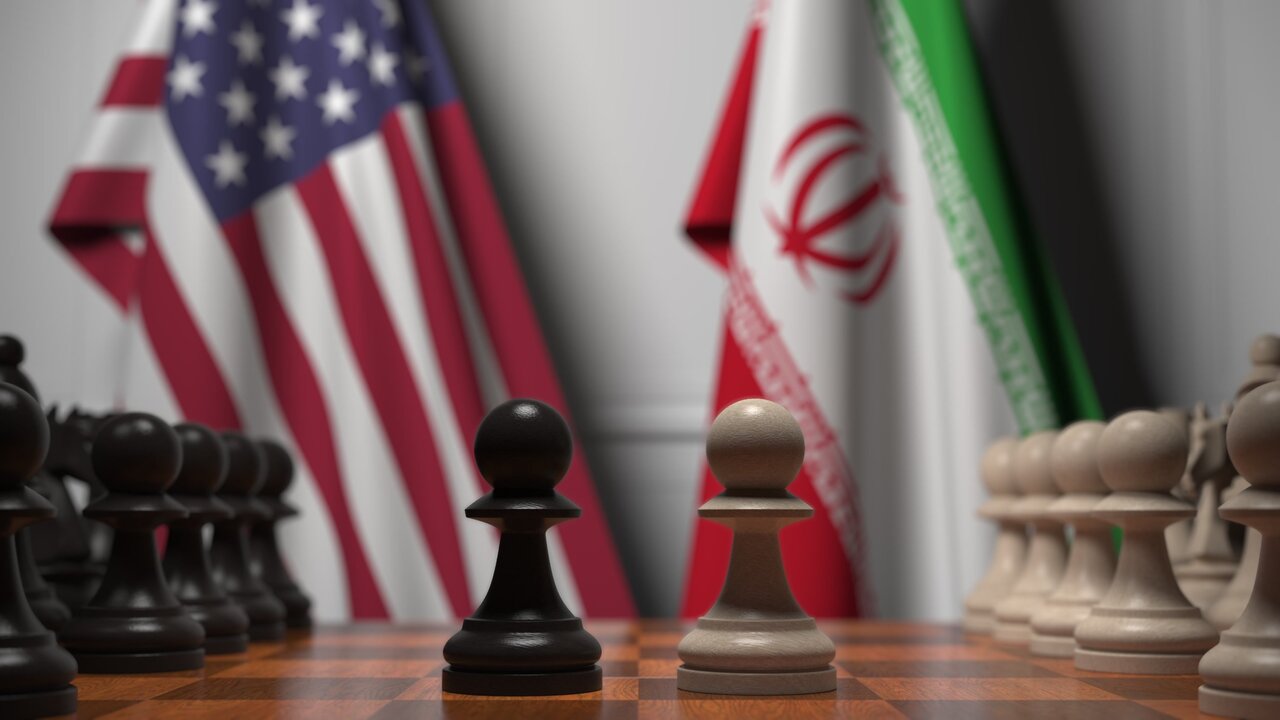
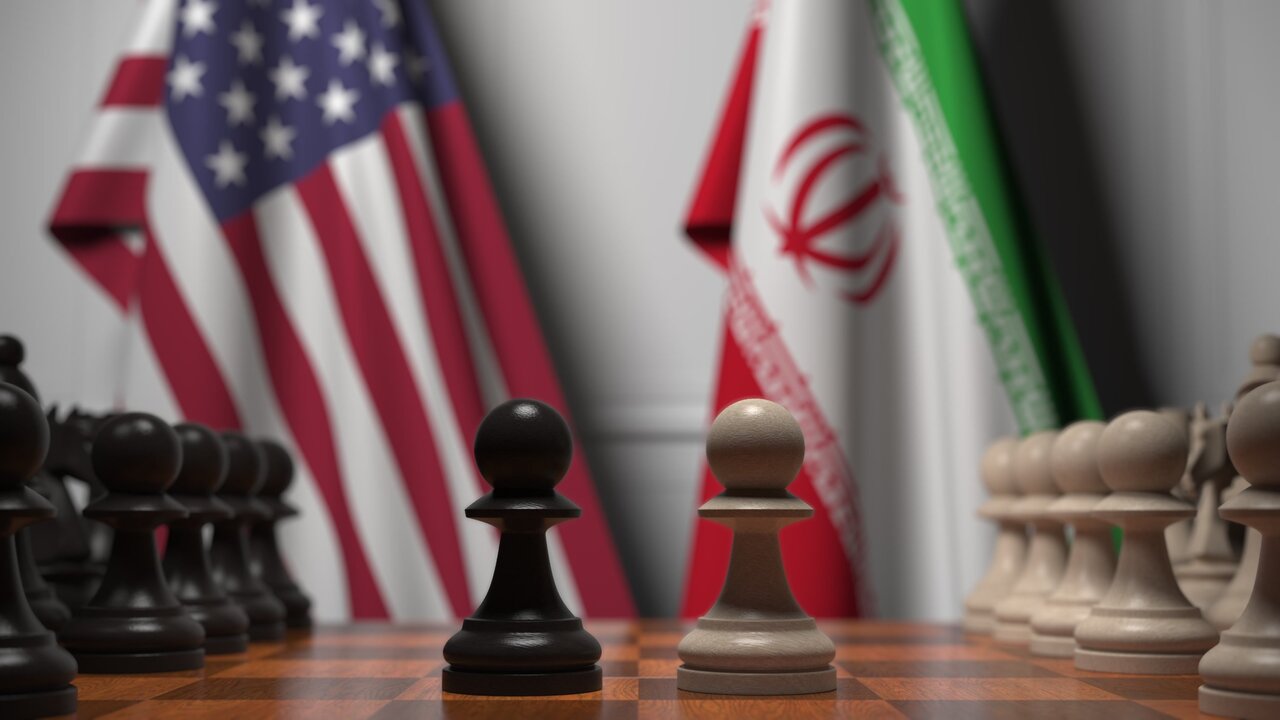
With the signing of a 14-point memorandum of understanding between Iran and the United States, a new chapter has opened in the tense relations between the two countries—a chapter described by some analysts as “a shift from confrontation to the controlled management of differences.” This document, which has not yet entered the implementation phase, is considered more a framework for step-by-step regulation of relations in the security, economic, and political domains than a final agreement.
A Framework for Halting Tensions, Not Ending Differences
Based on the published content, the 14-point memorandum of understanding cannot be regarded as a comprehensive agreement or an official peace accord. The document is, in fact, a “multi-stage roadmap” whose stated aim is to reduce the level of direct tensions and create a foundation for broader negotiations in the future.
Within this framework, the two sides have agreed to move away from the path of direct confrontation and to pursue a set of gradual measures to manage the crisis. These measures include halting certain limited clashes, initiating technical and security dialogues, and exploring avenues for reducing economic pressures.
However, the main points of disagreement remain unresolved. Iran’s nuclear file, the sanctions structure, regional security disputes, and certain financial and economic files are all still in the negotiation phase, and none have reached a stage of final resolution.
Thus, the 14-point MoU should be seen not as the end of a crisis, but as the beginning of a complex, phased process.
The Emergence of Two Narratives in the International Arena
With the news of agreeing on this MoU, the international political and media landscape witnessed the formation of differing interpretations. In fact, rather than creating consensus, this agreement gave rise to two different, and at times contradictory, interpretations among analysts and media.
In some Western analyses, this agreement is assessed as a sign of a shift in the maximum-pressure policy approach—an approach in which the parties, instead of continuing the path of direct confrontation, have moved towards managing tensions. From this perspective, entering a phased framework can be seen as a sign of political realism and an acceptance of the limitations of pressure tools.
In contrast, some political currents in the West, especially among conservatives and America’s regional allies, assess this agreement as insufficient in achieving past strategic objectives. In their view, the failure to achieve fundamental changes in Iran’s regional or nuclear behavior has turned this agreement into a limited and ineffective compromise.
This divergence in perceptions shows that the current agreement, more than being the product of a full consensus, is the result of adjusting initial expectations against on-the-ground realities.
The Background to the Agreement; From Escalating Tensions to a Return to Dialogue
To better understand this MoU, one must return to the context of its formation during a period of rising regional and international tensions. During this period, a set of political, security, and economic pressures escalated between Iran and the United States and some of their regional allies.
In such an atmosphere, various scenarios were raised in political analyses, from limiting nuclear programs to increasing economic pressures and redefining regional roles. However, the course of developments showed that achieving definitive results through pressure tools faces serious complexities.
Within this framework, signs of a shift in approach gradually emerged, and the path of diplomatic dialogue was reactivated. This change of course stemmed, above all, from a combination of security, economic, and geopolitical factors that had increased the cost of continued tension for both sides.
The Role of Strategic and Economic Considerations in Changing Calculations
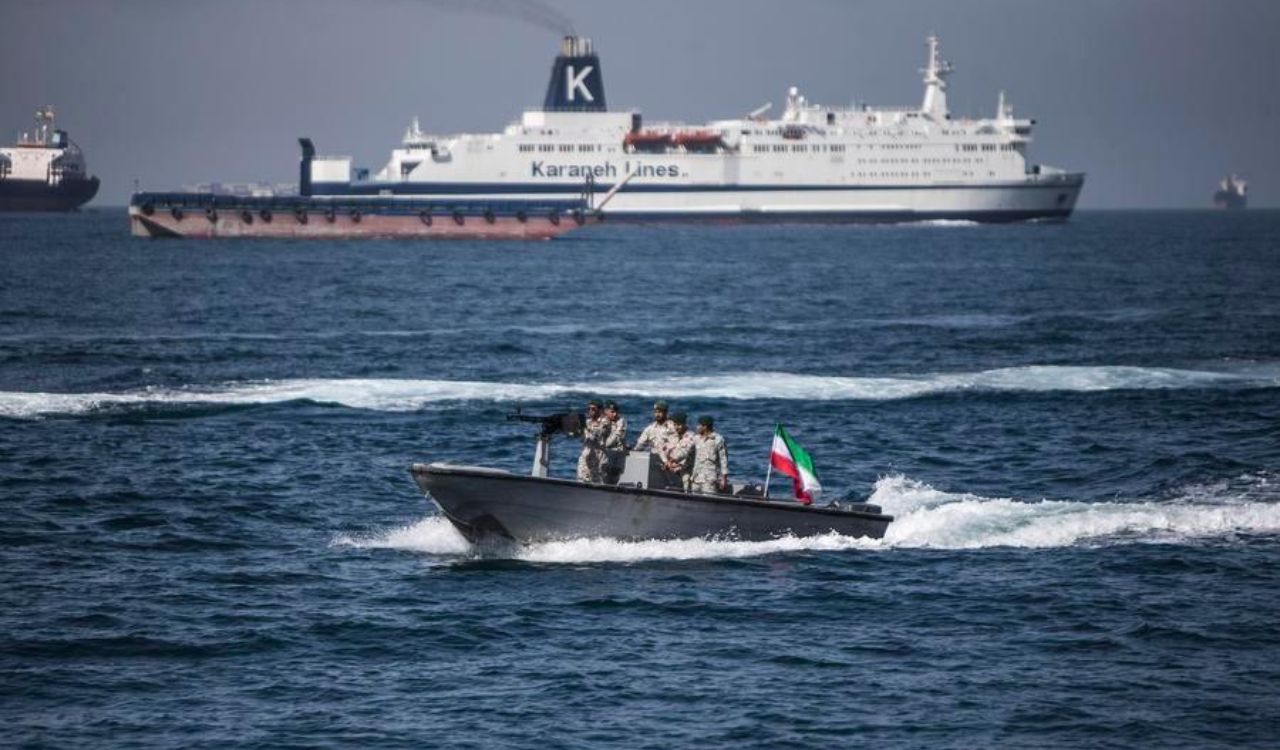
As the tensions continued, several key factors played a role in changing the parties’ calculations. First, concern about the spread of conflicts in sensitive areas and its impact on energy security and international trade routes, including the Strait of Hormuz—one of the world’s most important strategic points—was raised.
Second, on-the-ground experience showed that military tools and maximum pressure alone are not capable of achieving ultimate goals and, in many cases, lead to more complex crises.
Third, certain economic issues, including frozen assets and the consequences of sanctions, once again entered the diplomatic space as negotiable axes.
The sum of these factors caused the path of engagement, albeit limited and phased, to replace the scenarios of direct confrontation.
The General Content of the 14-Point MoU
The 14-point MoU encompasses several main axes:
First, the gradual reduction of military tensions and preventing the expansion of direct conflicts.
Second, the initiation of phased processes to examine the possibility of reducing economic pressures and sanctions within the framework of future agreements.
Third, the creation of mechanisms to review the status of oil exports and related economic activities.
Fourth, raising the issue of frozen assets and examining the possibility of the gradual release of some financial resources.
Fifth, defining a new negotiation path to reach more detailed agreements within specified timeframes.
The key point in all these clauses is that none of the provisions have an immediate or definitive nature; rather, their implementation is contingent upon the progress of negotiations in subsequent stages.
Conclusion
In light of the overall developments, it can be said that the 14-point Iran–U.S. MoU is neither a final agreement, nor a comprehensive peace accord, nor the end of the longstanding differences between the two countries.
This document should be regarded as the beginning of a “phased crisis management process”—a process aimed at reducing the level of tension and creating a framework for limited and controlled engagement.
Within this framework, fundamental disagreements still remain, but the manner of confronting them has changed: from direct confrontation towards gradual management and phased negotiation. In such circumstances, what matters is not merely the content of the agreement, but the path of its implementation and the extent of the parties’ commitment to the next stages. It seems that Iran–U.S. relations have entered a phase in which one can speak neither of the end of the crisis nor of the complete continuation of the past situation; rather, one must speak of the beginning of a new and complex process in managing differences.
MNA