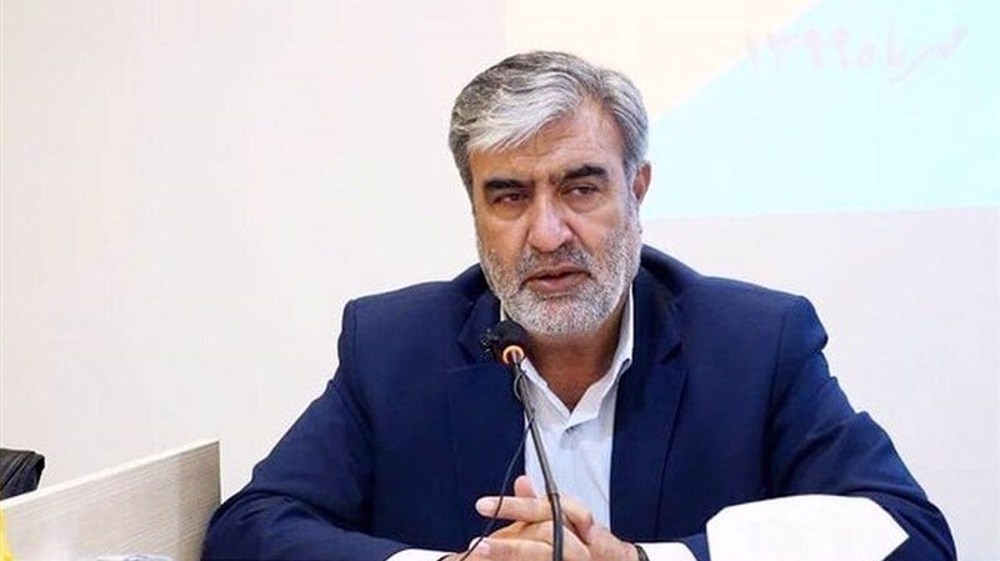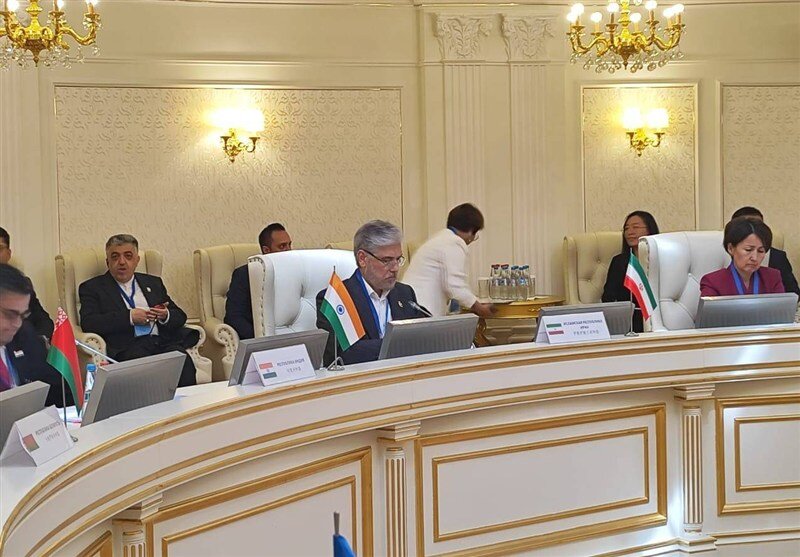
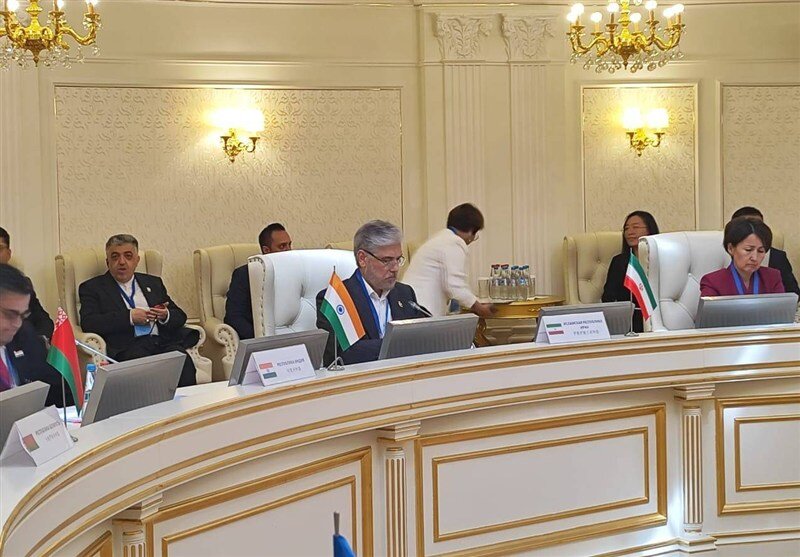
Addressing the 10th meeting of the education ministers of the Shanghai Cooperation Organization (SCO) member states in Minsk on Wednesday, Iran’s Minister of Science, Research and Technology Hossein Simaei Sarraf thanked Belarus and the SCO Secretariat for hosting the gathering and outlined Iran’s views on regional scientific cooperation.
Referring to transnational challenges such as climate change, water and energy shortages, food security, and developments in artificial intelligence, the Iranian minister described coordinated scientific cooperation as a vital necessity for the future of humanity. He highlighted the unique civilizational and academic capacities of SCO member states and called for closer collaboration among them.
Simaei Sarraf also drew attention to the bitter reality of military attacks, destruction of Iranian universities, and the assassination of scientists over the past year during the US and Israeli strikes.
He said scientific and cultural institutions should be regarded as a red line in any conflict and stressed that universities must serve as safe havens for thought, dialogue, and hope rather than becoming victims of war.
The minister urged the global scientific community and international organizations to adopt a clearer, more responsible, and more resolute position in safeguarding the security of universities, scholars, and scientific centers. He warned that the security of universities is inseparable from the future of humanity.
Simaei said Iran has lost professors and researchers who had devoted their lives to education and expanding the frontiers of knowledge.
He further stated that the US and Israeli attacks on Iranian universities amount to attacks on the global scientific community as a whole, warning that silence in the face of such actions would encourage the continuation of violence against science and civilization.
Highlighting the exceptional capacities of SCO member states in areas including artificial intelligence, basic sciences, advanced materials, and public health, Simaei Sarraf called for transforming these advantages into a network of problem-oriented cooperation. He said the measure of success for universities in the future would not be limited to knowledge production alone but would increasingly be judged by their impact on people’s quality of life.
MNA