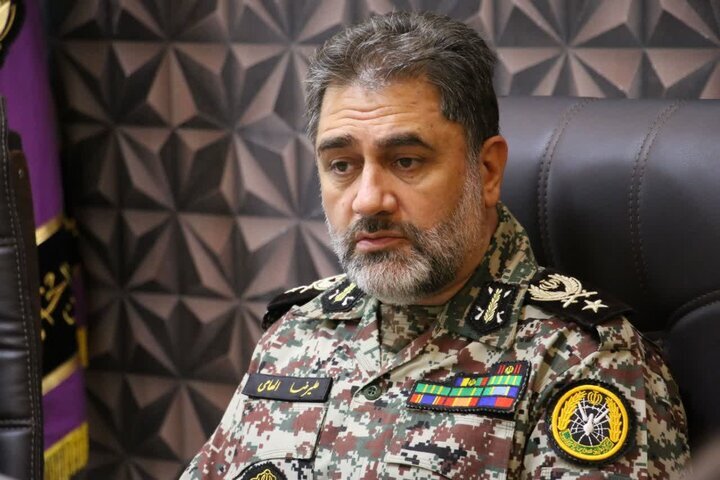
Brigadier General Alireza Elhami, commander of the joint air defence headquarters and the army’s air defence force, said that the enemy has now acknowledged losing MQ-9 Reaper drones, an aircraft he described as the backbone of adversary air doctrine for strategic reconnaissance, signals collection, and precision strikes.
“Despite these capabilities, Iran’s air defence reversed the course of these one-sided missions through rapid radar data processing and other measures and innovations,” Elhami said. He argued the integrated and smart air defence network inflicted one of the heaviest equipment losses on aggressor air power in the history of air warfare.
The general said the enemy tried to dominate the drone battlefield by deploying a massive air and UAV fleet featuring MQ-9 Reapers, Hermes 900s, Orbiters, Lucas drones, and Hermes 450s. But Iran’s response, using smart tactics of dispersal, electronic deception, and precision engagement, sharply reduced the effectiveness of their strikes and weakened the enemy’s drone arm.
Elhami said that beyond the Reapers, other advanced enemy drones were targeted and destroyed during the Ramadan war by air defence personnel from both the army and the IRGC. He named the Heron, Hermes 900, Orbiter, Hermes 450 and Lucas systems among those downed.
He praised the role of local communities, especially nomadic tribes, for their sense of responsibility and cooperation with the armed forces. He said the success goes beyond an equipment victory and represents a redefinition of deterrence in the air domain.
“By disrupting the surveillance-identification-targeting-strike chain typically executed by drones, the enemy’s ability to make real-time decisions without intelligence dominance was effectively left incomplete,” Elhami said.
He stressed that preserving this achievement requires continuous strengthening of radar infrastructure, electronic warfare capabilities, and constant updating of counter-drone systems and weaponry. “We have made important gains in this short period of the war, but we are never satisfied. Regardless of what happens after the ceasefire, we must always think about enhancing our defensive capacity.”
MNA