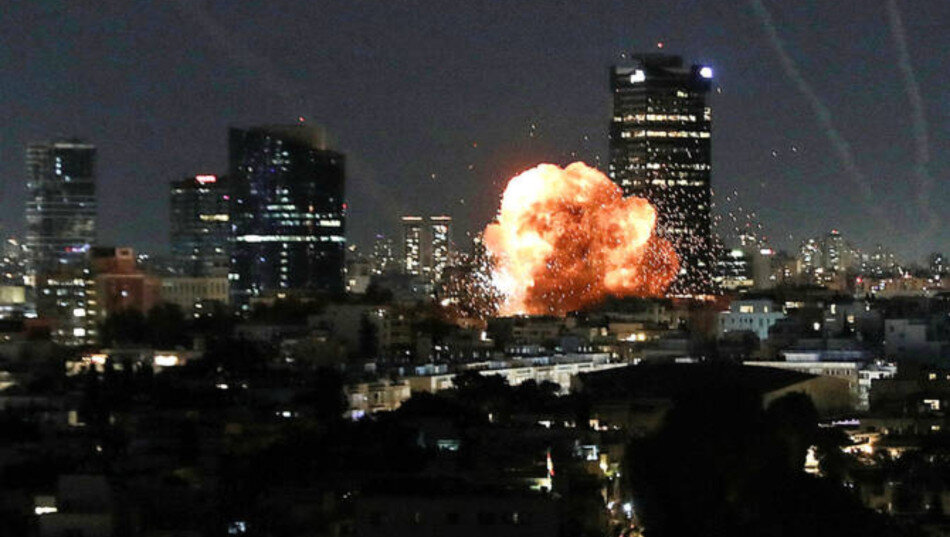
The Wall Street Journal, citing sources familiar with the matter, reported on Friday that Emirati forces launched attacks against Iranian targets early in the war and continued the assaults even after a ceasefire was announced in April, adding that the strikes were coordinated with the US and Israel, with intelligence support provided by both allies.
According to the report, targets included strategic sites on Qeshm and Abu Musa islands in the Strait of Hormuz, as well as locations in Bandar Abbas.
Emirati aircraft also struck the Lavan Island oil refinery and the Assaluyeh petrochemical complex, targeting key components of Iran’s energy infrastructure.
One of the most controversial attacks involved the Assaluyeh complex. The strike, which was conducted in coordination with Israel, sparked international criticism and prompted US officials to urge Tel Aviv to suspend attacks on Iranian energy facilities, the WSJ said.
The revelations contradict public assurances previously made by Persian Gulf states that their territories and airspace would not be used for military action against Iran.
According to the report, Abu Dhabi abandoned that position shortly after the war began.
The report further highlighted growing divisions within the Persian Gulf Cooperation Council (GCC), noting that Saudi Arabia privately warned Washington in early April that Emirati attacks risked provoking Iranian retaliation against regional energy facilities, threatening oil supplies and global markets.
According to the newspaper, Saudi officials pressed the US to persuade Abu Dhabi to halt its military involvement and instead pursue diplomatic solutions.
The war also exposed tensions between Persian Gulf leaders, with UAE President Sheikh Mohamed bin Zayed becoming frustrated with Saudi Crown Prince Mohammed bin Salman after Riyadh declined to participate in a coordinated war against Iran.
The economic consequences for the UAE have also been significant. Continued missile threats and regional instability have disrupted air travel, weakened tourism, and shaken investor confidence. Businesses across multiple sectors have announced furloughs and layoffs as economic uncertainty deepens.
According to the report, more than $120 billion has been erased from the combined market capitalization of the Dubai and Abu Dhabi stock exchanges through the end of April.
Aviation has also been heavily affected, with more than 18,400 flights cancelled amid security concerns and airspace disruptions.
MNA