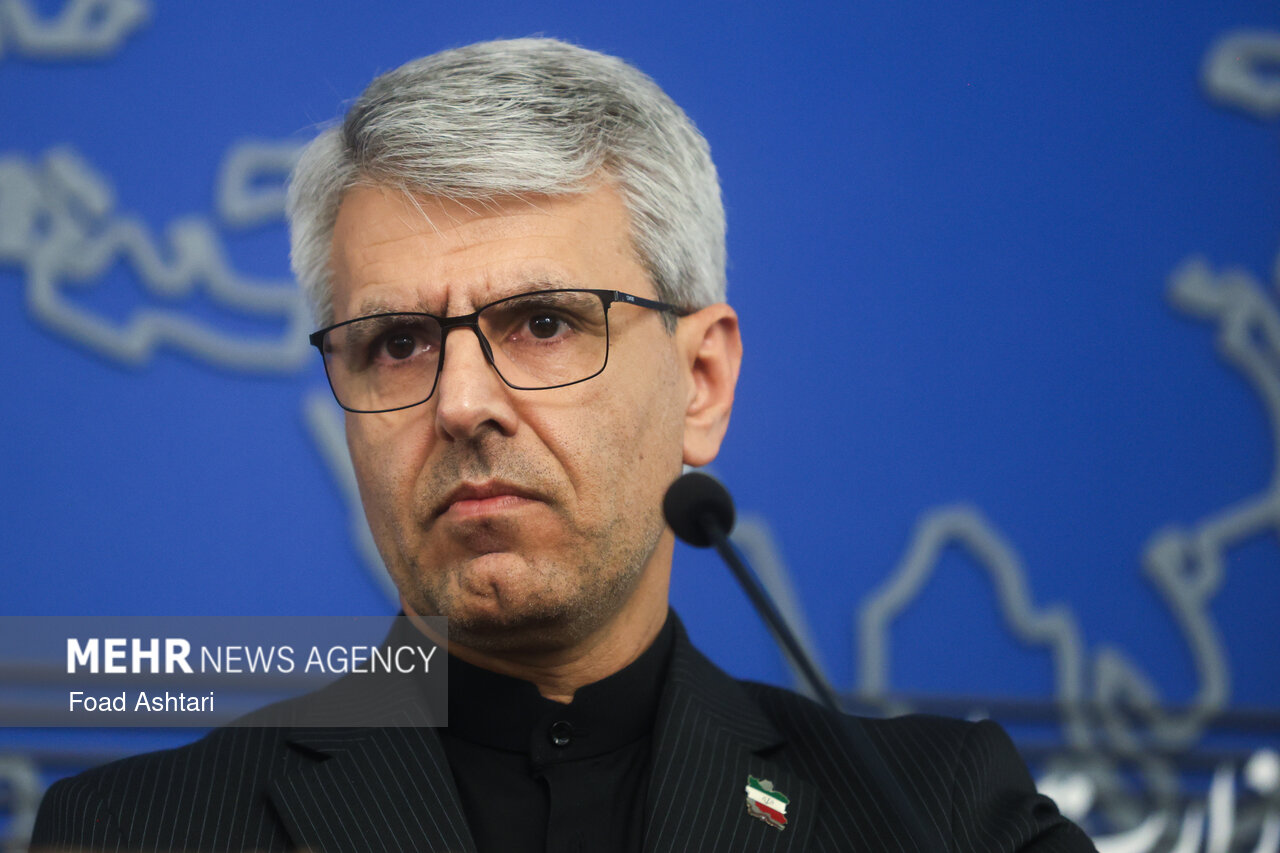
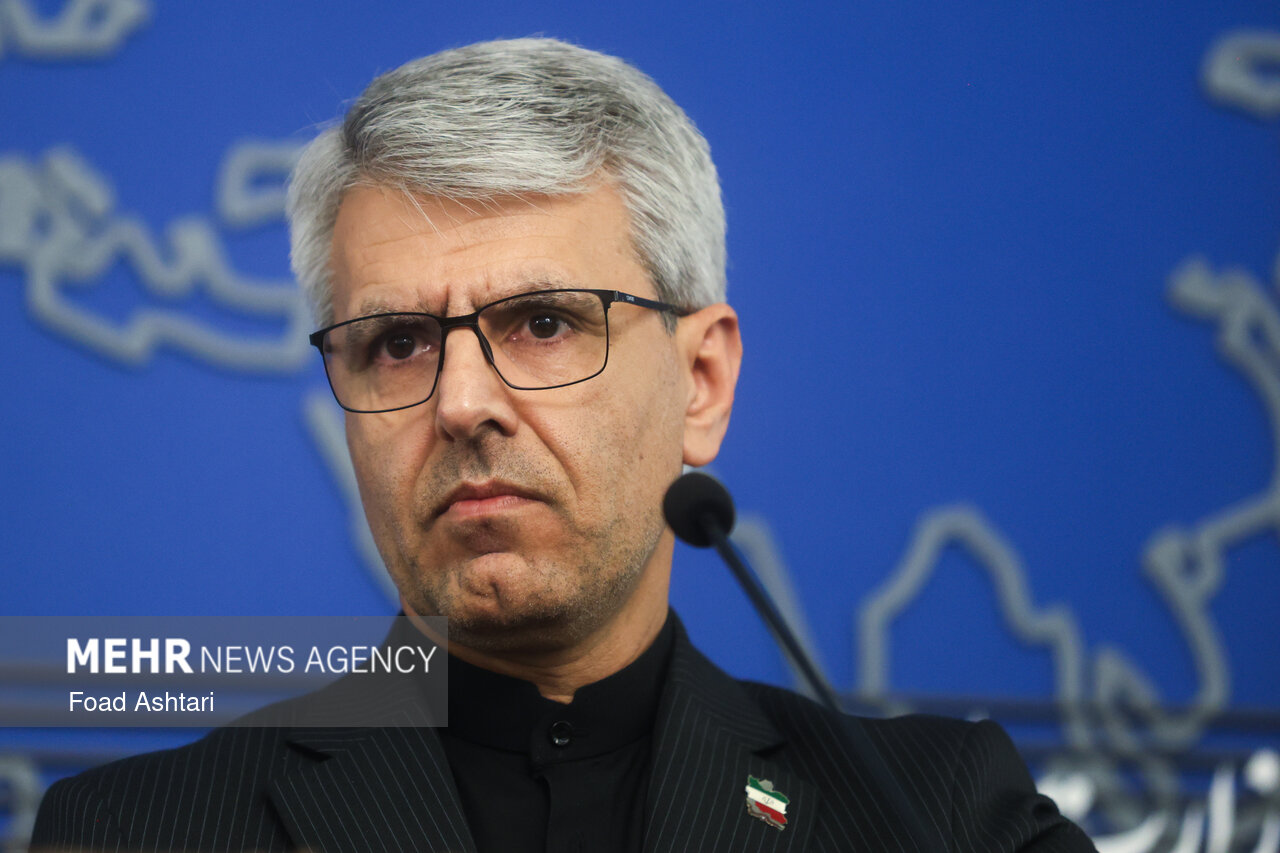
Foreign Ministry spokesman Esmaeil Baghaei told state television that the current diplomatic track is focused exclusively on halting the war, including in Lebanon, and addressing the U.S. naval blockade and the situation in the Strait of Hormuz.
“We did this twice before, and the excessive demands of the other side led us into war,” Baghaei said. “We cannot ignore this experience. First, we must reach an end to the war under terms that secure our interests and concerns. Only then can we talk about other issues or not.”
He confirmed that a delegation from Qatar met with Iran’s foreign minister, but stressed that Pakistan remains the official mediator in the talks.
Baghaei said Iran’s position on its nuclear programme is clear: Tehran is an NPT member and has the right to peaceful nuclear energy. Past rounds of nuclear negotiations failed because of the other side’s unreasonable demands, which ultimately led to the destruction of the negotiating table and the “crimes and aggression” committed against Iran, he said.
He described the current moment as a turning point, noting that high-level Pakistani officials have been visiting Tehran. But Baghaei cautioned against expectations of an imminent breakthrough.
“We cannot say a deal is close. ” That is not necessarily the case,” he said. “Differences between Iran and the United States are deep and numerous… Diplomacy takes time.”
The spokesman said many countries, both regional and beyond, are working to help end the war and prevent escalation. “From our perspective, these efforts are valuable,” he said.
MNA