
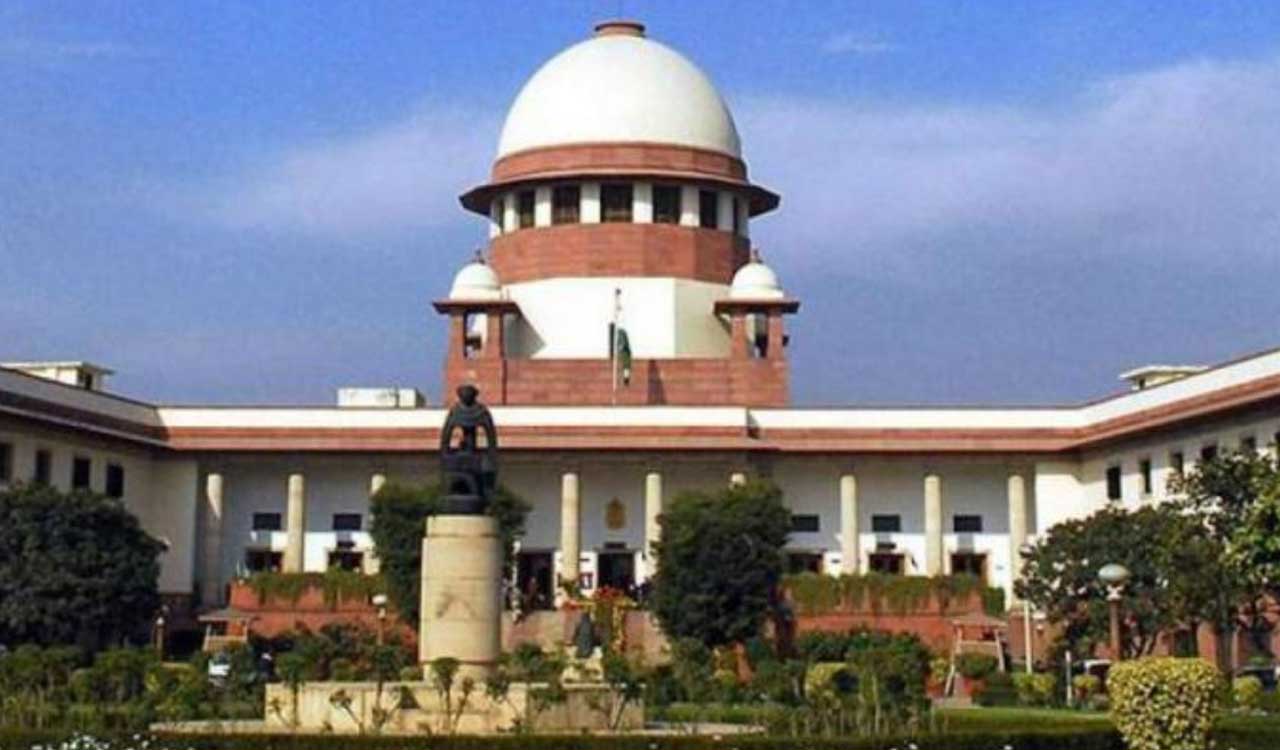
The Supreme Court of India ruled that excluding natural heirs from inheritance does not automatically invalidate a will. The court upheld a Karnataka will favouring a man’s sister, stressing that suspicious circumstances—not exclusion alone—determine a will’s legality
Published Date – 21 May 2026, 08:20 PM
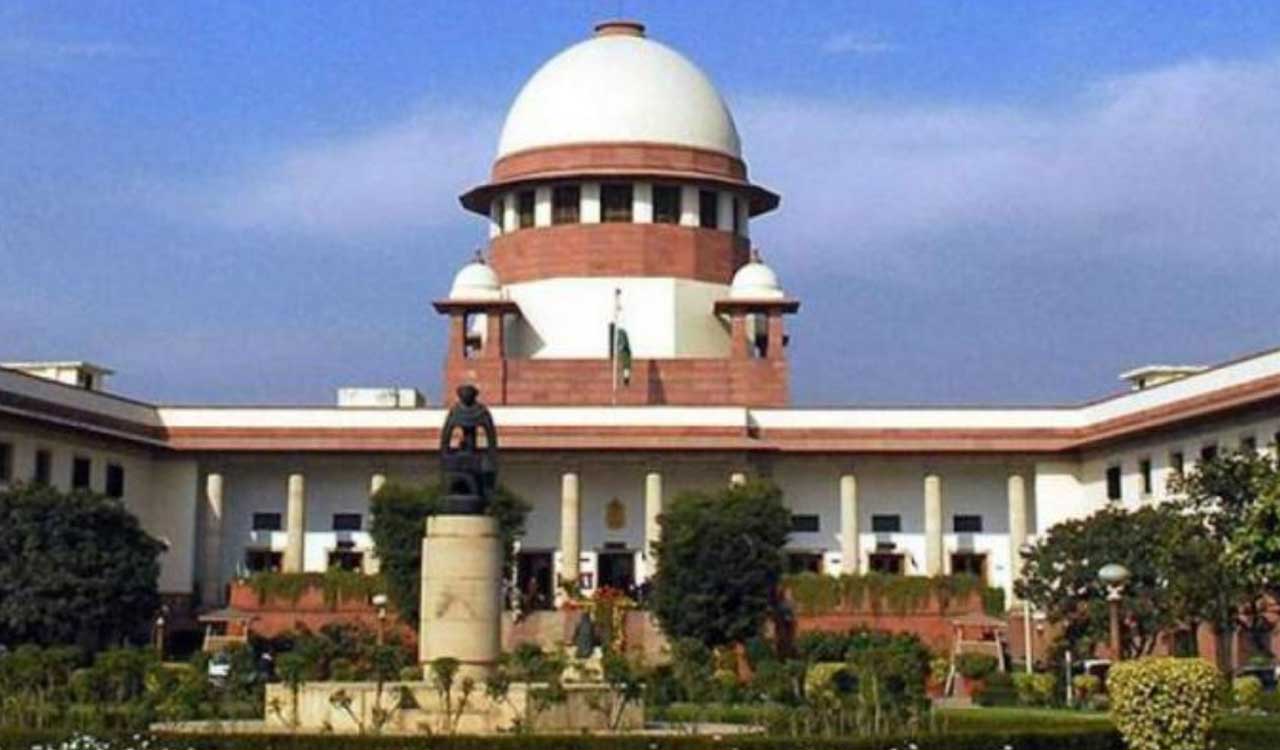
New Delhi: Noting that the very purpose of a will is to alter the normal line of succession, the Supreme Court on Thursday said that merely excluding natural heirs from inheritance cannot by itself be treated as a suspicious circumstance to invalidate a will.
A bench of Justices Ujjal Bhuyan and Vijay Bishnoi dismissed an appeal filed by the wife and children of late B Sheena Nairi challenging the validity of a will through which the deceased had bequeathed his properties in Karnataka to his sister Laxmi Nairthy. The top court upheld concurrent findings of the trial court, the appellate court and the Karnataka High Court, which had accepted the will as genuine.
“The exclusion of the natural heirs cannot be sufficient to vitiate the will in question, particularly when the will clearly specifies that the testator has not done any injustice to his wife, children, or other relatives, and that he has given enough to his wife and children who are residing at Bombay,” the court said.
The dispute arose after B Sheena Nairi, a chartered accountant, executed a will in May 1983 in favour of his younger sister and died later that year. His wife and children challenged the document, alleging it was fabricated and contending that they had been unfairly deprived of inheritance. “Mere exclusion of the natural heirs from the property of the testator, by itself, cannot be construed as a suspicious circumstance so as to invalidate a will outright,” the court said.
The bench noted that the will itself recorded that the testator had already given “enough and more” to his wife and children residing in Bombay. The court also reiterated the legal principles governing proof of wills and held that the document stood duly proved through the testimony of an attesting witness, who confirmed that the testator had executed and signed the will in his presence.
“A testator is legally entitled to dispose of his property according to his own wishes, and unless the exclusion is accompanied by suspicious circumstances affecting the genuineness or due execution of a will, such exclusion alone does not render a will invalid,” the court said.
The bench further held that mutation entries in revenue records do not confer title and are merely for fiscal purposes. Dismissing the appeal, the bench held that the findings of all courts upholding the validity of the will did not warrant interference.