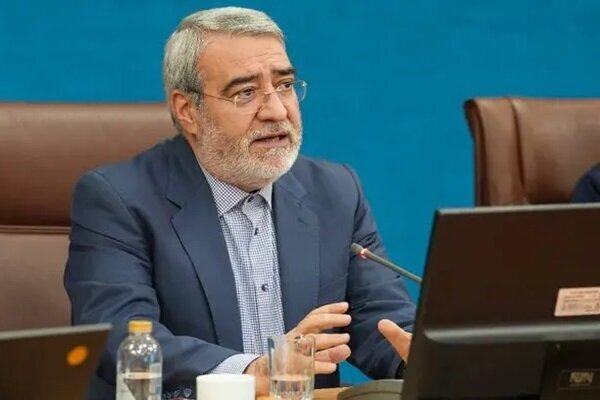
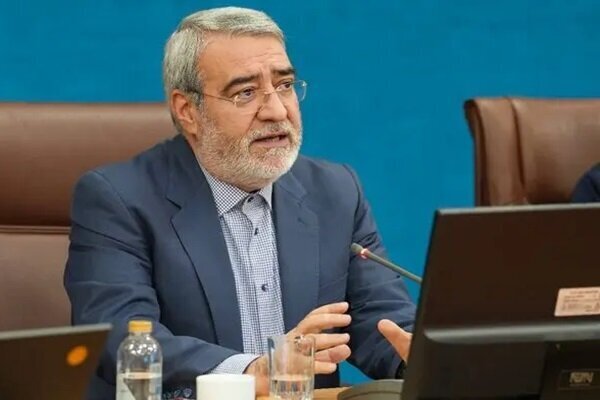
Iran’s Ambassador to China, Abdolreza Rahmani Fazli, has outlined in detail the substance of Tehran’s diplomatic communication with Beijing in the wake of the war imposed on Iran, describing the China relationship as a source of strategic depth that allows Iran to demonstrate it has real partners and alternatives in the face of American pressure.
Speaking on Beijing’s efforts to reduce tensions in West Asia following the war against Iran, Rahmani Fazli said China had worked to keep the path to dialogue open through multiple channels — including consultations with key regional actors, a joint peace initiative with Pakistan that helped lay the groundwork for the Islamabad talks, and a four-point proposal advanced by President Xi Jinping.
The ambassador stressed that the Comprehensive Strategic Partnership agreement between Iran and China carries significance well beyond its economic dimensions. “This document is not only about investment, oil, infrastructure, or trade,” he said. “It is about how Iran defines its place in a changing global order.”
He added that long-term cooperation with China creates a form of diplomatic strategic depth for Iran — one that allows Tehran to demonstrate concretely that it has real options, important partners, and alternative capacities in the face of US pressure.
Rahmani Fazli was direct about what Iran is asking China to do. The core question, he said, is whether the other side is ready to hear Iran’s real message — and Beijing can play a unique role in carrying that message to the level of major powers.
“Iran’s message is clear,” the ambassador said. “A permanent end to the war, consolidation of a lasting ceasefire, lifting of the blockade, and respect for Iran’s legitimate rights. China can reflect this message at the level of the great powers.”
The Iran-China Comprehensive Strategic Partnership, signed in 2021, outlines a 25-year framework for cooperation spanning energy, infrastructure, trade, and security. It has become increasingly central to Iran’s foreign policy posture as relations with Western governments have deteriorated — serving as both a practical economic arrangement and a political signal that Tehran has durable alternatives to Western engagement.
MNA