As diplomatic overtures between Tehran and Washington continue to unfold, a troubling pattern has emerged: the United States is pursuing what can only be described as a fundamentally dishonest and contradictory posture — simultaneously in the diplomatic and military spheres — one that has done little to repair the deep erosion of trust in Washington’s conduct.
On the diplomatic front, there is no meaningful shift in the American approach. Militarily, the Islamic Republic of Iran holds a stronger position, a reality that has compelled Washington to repeatedly seek negotiations and dialogue through various back channels. Iran has carefully considered these overtures, though it has declined many of them, citing Washington’s unrealistic and inequitable conditions. The reason is not difficult to identify: the United States is not genuinely seeking to acknowledge the rights of the Iranian people. Rather, it is attempting to use the negotiating table as an instrument of pressure — a means of imposing its demands under the guise of diplomacy.
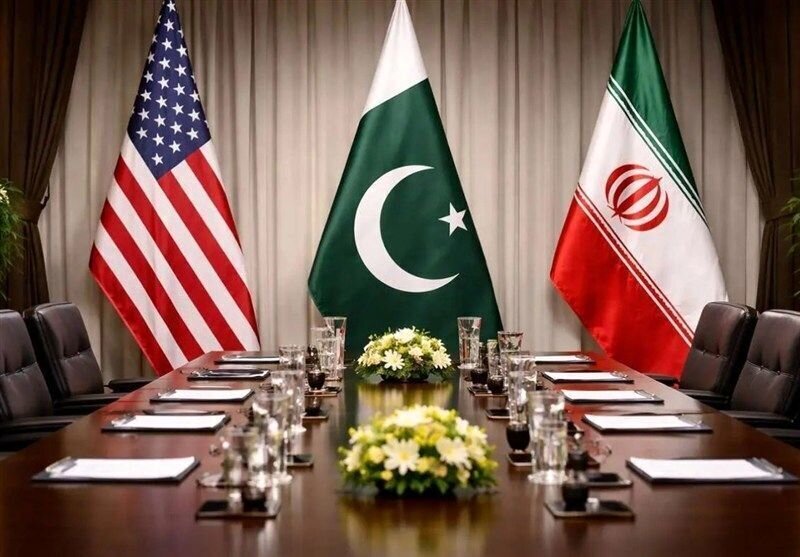
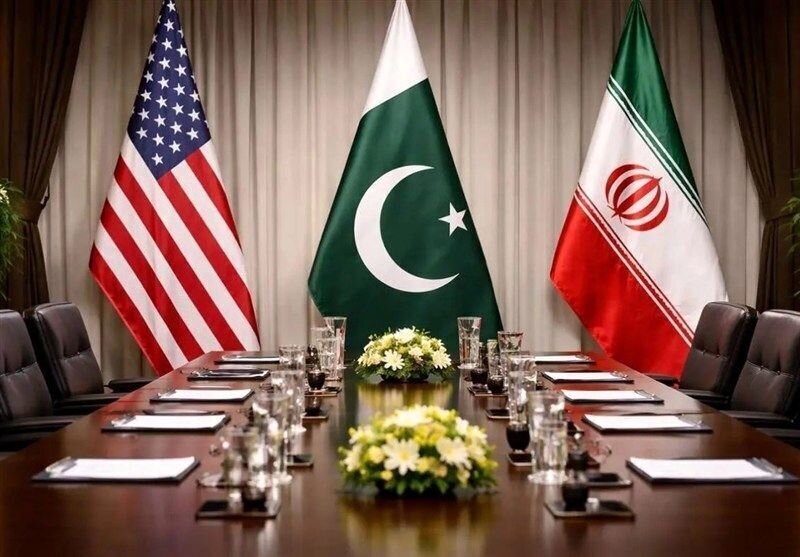
Even the messages exchanged between the two sides through Pakistan reveal that Washington continues to enter the diplomatic process from a position of arrogance, seeking leverage rather than resolution. President Donald Trump, in particular, does not appear to hold a genuine belief in diplomacy. For him, negotiations appear to function primarily as a tool for advancing broader strategic and, ultimately, militaristic objectives. Under these circumstances, any honest assessment of Washington’s diplomatic posture becomes nearly impossible.
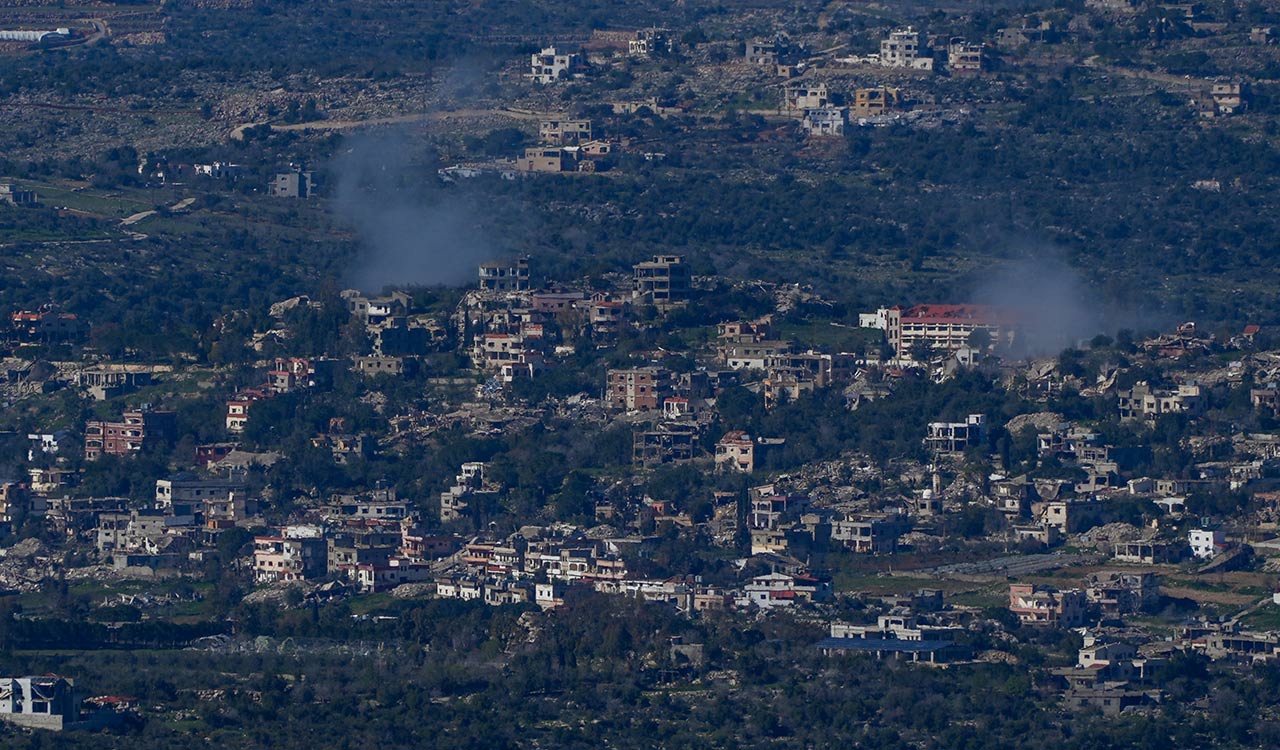
This same contradiction is starkly evident on the military front. After roughly forty days of conflict, Trump called for a halt to hostilities and announced a twelve-day ceasefire — which he later extended indefinitely. Yet in practice, Israel did not honor the ceasefire, and pressure on Iran continued unabated. The intensification of the naval blockade and the ongoing attacks on Iranian vessels stand as glaring examples of this — acts that constitute, by any reasonable definition, clear violations of the ceasefire terms.
Taken together, these actions reveal a United States that neither believes in diplomacy nor honors the commitments it makes. It is therefore entirely natural that the Islamic Republic of Iran regards American overtures about negotiation and conflict resolution with considerable skepticism. The primary obstacle blocking meaningful diplomatic progress today is, in this analysis, America itself — and Donald Trump specifically — for continuing to pursue a belligerent posture even while professing a desire for talks.
In response, Iran’s armed forces — including the Islamic Revolutionary Guard Corps and the Army — remain at full operational readiness and have demonstrated, on multiple occasions, a capacity and willingness to respond firmly and decisively to any hostile act.
From Iran’s perspective, partial or temporary ceasefires — particularly those that are routinely violated — cannot constitute a genuine path toward ending this crisis. What Iran demands is a permanent cessation of hostilities, backed by concrete and internationally recognized guarantees that prevent any recurrence of conflict. Iran further holds that the United States, as a party that has played a direct and material role in escalating tensions and carrying out hostile actions, must accept responsibility for the harm inflicted on the Iranian people and provide appropriate compensation.
The end of this conflict, therefore, will not come about through a unilateral American declaration. The notion that Washington can dictate, on its own terms, when and how the crisis concludes is one Iran categorically rejects.
On the matter of the naval blockade, Iran’s position is unambiguous: a blockade is itself an act of war. As such, the current situation cannot be characterized as a ceasefire in any meaningful sense. The form of the conflict may have shifted — from missile and drone exchanges to maritime confrontation — but its fundamental nature has not. War, by another means, continues.
MNA