
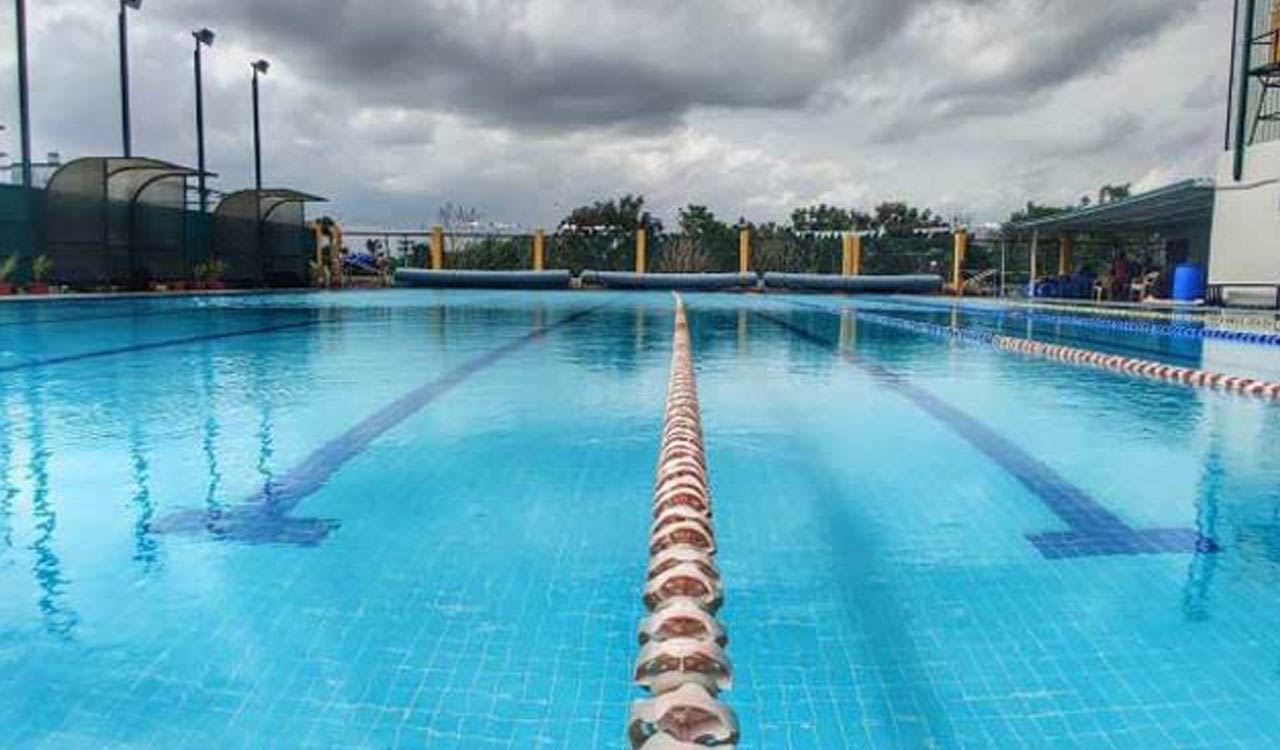
Researchers from L V Prasad Eye Institute have warned that contaminated swimming pools may expose children and swimmers to serious eye infections. Doctors advise using goggles, avoiding swimming with contact lenses and maintaining proper hygiene to reduce risks during the summer season.
Published Date – 7 May 2026, 04:30 PM
Hyderabad: With summer vacations in full swing, swimming pools in Hyderabad have emerged as the go-to destinations for children. Due to the heavy demand, a lot of private swimming pools have mushroomed across Hyderabad.
While children look forward to beating the heat and mastering a vital life skill, parents and facility owners must take extreme precautions.
In a study published early this year, researchers from Hyderabad-based LV Prasad Eye Institute (LVPEI) have cautioned that swimming pools can be breeding grounds for Acanthamoeba, a resilient, free-living organism found in water sources.
Researchers found that nearly a third of patients treated for severe corneal infections contracted the pathogen through contaminated water. The risk is particularly high for those who swim with contact lenses, as the lenses can trap the protozoa against the eye, leading to sight-threatening complications.
To mitigate these risks, doctors emphasise that goggles are more than just a convenience; they are a critical barrier against infection and chemical irritation.
Chlorine, which is widely utilised by pool owners to reduce infections, often strips away the eye’s natural protective tear film, leaving it vulnerable. Senior doctors advise rinsing immediately with clean water after every swim to wash away residual chemicals and potential pathogens.
Excess chlorine triggers eye infections, swimming pool conjunctivitis, intense eye burning, and even blurred vision; therefore, adequate eye protection against chlorine is mandatory in swimming pools.
Doctors have also advised parents not to allow their wards to swim while they are sick and have symptoms like cough, cold, runny nose, or red eye with discharge to avoid transmitting the virus to others.
Swimming pool conjunctivitis, where you develop a red eye and discharge after swimming, is common, particularly in crowded pools without proper sanitisation, doctors said. After spending long hours in the pool water, there is also a chance of children developing itchy eyes. Doctors have advised that any eye lubricating drops can be safely applied, even without a doctor’s prescription.
Safety precautions:
• Never leave a child unattended
• Workers in pool must have learned CPR
• Avoid pool if you have a cold, a runny nose, and a fever
• Goggles mandatory to avoid pool conjunctivitis and excess chlorination
• Don’t wear contact lenses while swimming
• Lubricate your eyes by using any OTC eye drops to relieve itchy eyes
• Allergy to chlorine is common in swimming pools.
What pool owners have to watch out for:
The pH level of swimming pool should be 7.2 to 7.8
Chlorine should be between 0.2 and 0.5 mg/litres
Pools must test for pH level and chlorine every 2 to 3 hours during peak summer
What parents can check:
Water should be crystal clear, and bottom of pool must be clearly visible
Check for maintenance logs of the pool
Check whether staff are trained to provide CPR or have basic life support skills