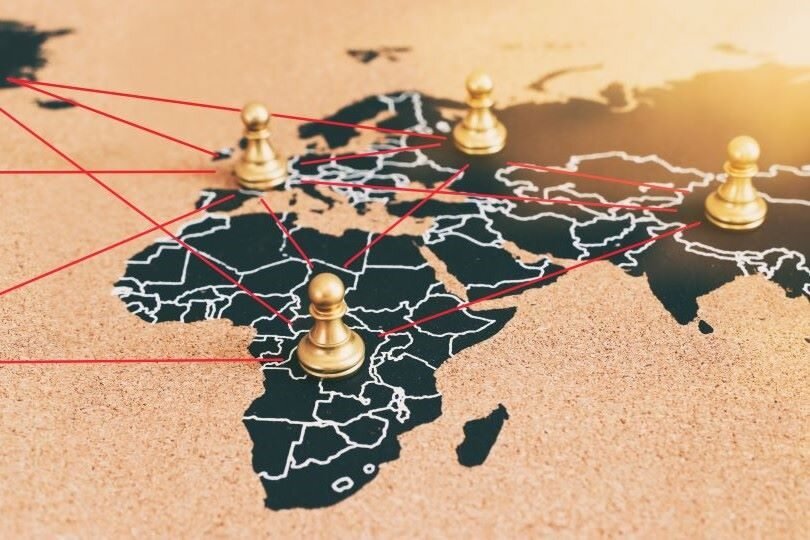
Sputnik news agency recently captured the mood starkly: As the era of US and EU hegemony comes to an end and a multipolar world order takes shape, the world is witnessing the West’s growing aggression and often irrational actions that could lead to unpredictable consequences. To revive its crumbling position, Western imperialism is resorting to pre-capitalist methods – imposing sanctions, violating private property, confiscating foreign assets and oil, abducting presidents, and even attempting to assassinate heads of state.
The statement is polemical, but it points to a tangible shift. In recent years, the signs of a gradual decline in the Western-led order have become undeniable. That order, forged after the Soviet collapse with the United States at its centre and Europe in tow, once presented itself as the natural architecture of global affairs. What is unfolding today, however, is not surface turbulence but a structural transformation: a passage from unipolarity to a multipolar system in which new actors, fresh narratives, and different balances of power are emerging. Under these conditions, the behaviour of the West—Washington in particular—looks less like the assurance of a dominant power and more like the hasty, often contradictory reflexes of an actor that senses its position slipping.
Before hegemony collapses on the battlefield, it erodes in the arena of legitimacy. For decades, the West was able to build a kind of soft authority through legal, economic, and media instruments, enforcing its preferred order sometimes without direct force. Today, those very tools have lost much of their potency. Economic sanctions, once celebrated as a sophisticated pressure mechanism, have become a blunt, repetitive instrument that not only fails to deliver its stated political objectives but also deepens global distrust of the Western financial and economic system.
One of the clearest markers of decline is the shift in Western behaviour from “managing order” to “reacting to disorder.” In the past, the United States and its allies worked to frame their actions within international rules and institutions; even when they breached those rules in practice, they at least maintained a legal façade. That façade is now crumbling. Unilateral moves, open threats, and disregard for international bodies have grown so frequent that they can no longer be dismissed as mere tactics. They are symptoms of a deep crisis inside the Western power structure itself.
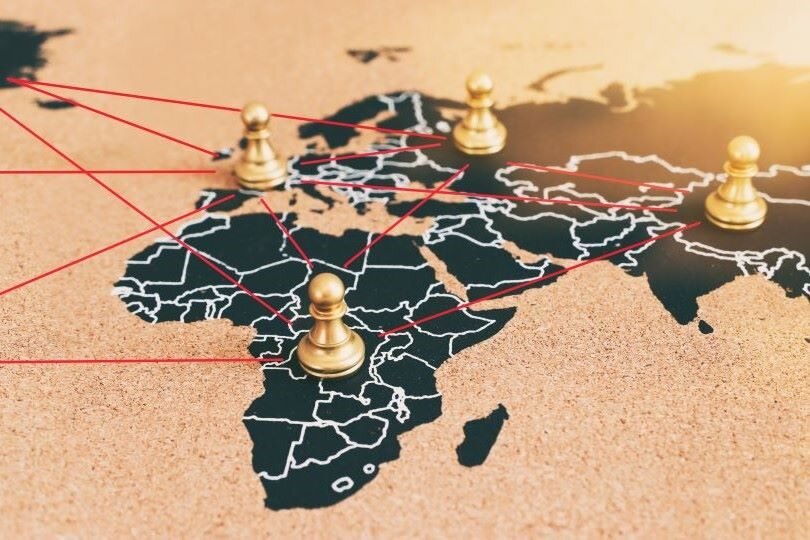
The transition to multipolarity means a global redistribution of power that no single bloc monopolises. The rise of China, the reassertion of Russia, and the growing weight of regional actors have narrowed the West’s room for manoeuvre. This altered balance forces the West to preserve its standing with instruments it once considered antithetical to its declared principles. Western imperialism has reached a point where survival compels it to violate the very rules it previously touted as the foundation of world order.
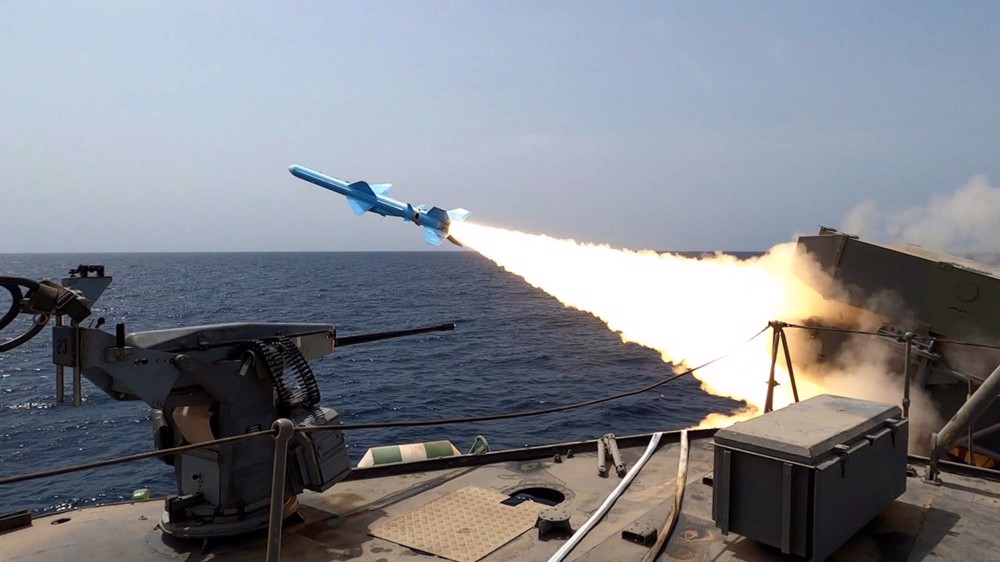
In this framework, the confrontation with Iran has become one of the central arenas of the clash. As an independent actor that has not only resisted external pressure but also enhanced its deterrent capabilities, Iran has turned into a living symbol of the ineffectiveness of Western strategies. The “maximum pressure” policy, designed to force a change in Tehran’s behaviour, did not achieve its goal; instead, it strengthened Iran’s internal cohesion and accelerated the development of its defensive capacity.
That failure carries significant implications for future Western strategy. First, it proved that traditional pressure tools no longer deliver the required results and cannot, by themselves, compel independent actors to submit. Second, it has pushed the West towards riskier, sometimes unpredictable behaviour—actions rooted less in long-term strategy than in reactive frustration over past failures.
One defining feature of this phase is the rise of irregularity in Western international conduct. Where international rules once provided a baseline—however selectively applied—they are now easily discarded. This trend has not only weakened the existing order but also fuelled a kind of uncontrolled chaos in international relations. In such an environment, predictability retreats and the likelihood of sudden crises grows.
The decline of Western hegemony is not just political or military; it has economic and cultural dimensions, too. The global financial system, dominated for decades by the dollar and Western institutions, faces serious challenges. The drive to create independent financial mechanisms, reduce dollar dependence, and deepen regional cooperation are all signs of the change. Culturally, Western narratives no longer command the appeal and influence they once held, as pluralistic, home-grown stories gain ground.
Under these conditions, the central question is: where is the world order heading? Can the West redefine its role and remain a key player, or will its influence continue to dwindle? The answer depends heavily on how the West confronts the new realities. If it persists with past approaches and ineffective tools, the decline is likely to accelerate. If it adapts and accepts the rules of a multipolar system, it may still preserve a place, though no longer as the dominant power.
The evidence so far suggests the West has not yet fully absorbed this reality. Continued confrontational policies, escalating tensions, and efforts to contain rising powers all indicate that accepting the end of hegemony is a difficult and costly process. The situation resembles the final stages of earlier historical orders, when dominant powers, instead of embracing change, sought to arrest decline by intensifying pressure—an effort that frequently backfired.
Ultimately, what we are witnessing is less a geopolitical rivalry than a paradigm shift. Western imperialism, which once portrayed itself as the embodiment of order and law, now finds itself compelled to operate outside those very frameworks simply to survive. That contradiction is perhaps the most telling sign of a historical era coming to a close—an era in which a single power could set the rules of the game.
The emerging world is one in which power is distributed, voices have multiplied, and no actor, however strong, can single-handedly dictate the fate of the international system. In such a world, attempts to return to the past are not only futile but risk amplifying instability. If the West wishes to play an effective role in this order, it must accept the transformation and move from hegemon to responsible stakeholder in a multipolar system. Until then, what will continue is the same costly—and at times dangerous—flailing to preserve an order that, even in the minds of its architects, no longer commands the coherence or certainty of the past.
MNA