Rangaboyina Bhagya, a 46-year-old Maoist from Siddipet district, was killed in an encounter in Chhattisgarh’s Kanker forests. She joined the Maoist movement in 2002 and carried a Rs 5 lakh bounty. Despite her mother’s recent emotional appeal for her to return to the mainstream, Bhagya never came back home in 24 years.
Published Date – 14 April 2026, 07:18 PM
Siddipet: The long wait to see her daughter alive has ended on tragic note for 75-year-old Yellavva, as her daughter, Maoist Rupi alias Rangaboyina Bhagya (46), died in an encounter in Machpally forest area in Kanker district in Chhattisgarh state on Monday.
Bhagya was born and raised in Dhramaram village in Mirudoddi mandal of Siddipet district in 1980. Her husband Vijay Reddy, who she married during her time in Maoist movement, was also killed in an encounter a year ago in Manpur forest area in Chhattisgarh.
Bhagya, who was left handicapped after contracting polio in her early childhood, never attended school due to poverty. The eldest of four children born to farmers couple Yellavva and Narsaiah, she left her village in 2002, drawn by the Maoist movement.
She joined Dubbak dalam in 2002 under the leadership of commander Madhu. Initially, she operated in Andhra Pradesh before moving to the Abujhmad area. Carrying a bounty of Rs 5 lakh on her head, Bhagya never returned to her village over the last 24 years, even when her father Narsaiah passed away about nine years ago.
In the wake of rising encounters, Yellavva recently released a video statement appealing to Bhagya to return to the mainstream. In the video, the teary-eyed mother expressed her strong desire to see her daughter alive before her own demise.
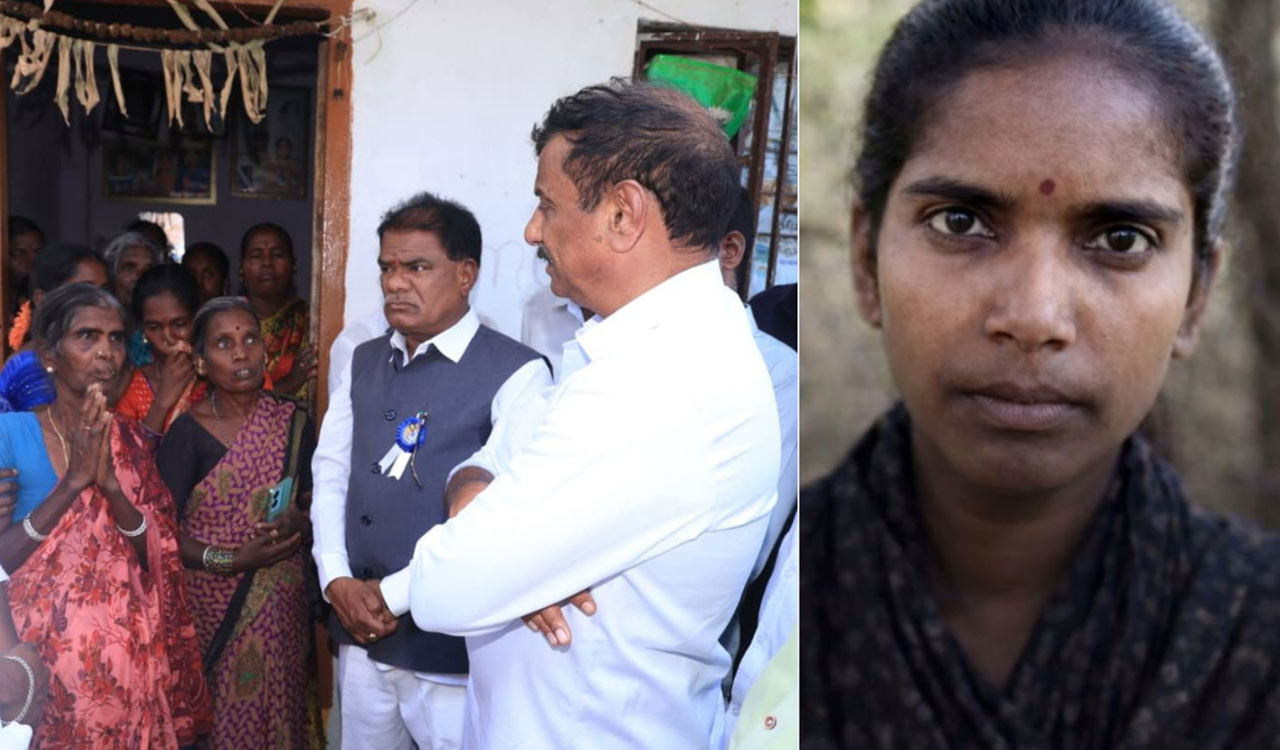
That wish will now remain unfulfilled, as Bhagya was killed in the encounter. Her body is expected to reach the village on Tuesday evening. Meanwhile, Dubbak MLA Kotha Prabhakar Reddy visited Bhagya’s residence to console her mother Yellavva and siblings. The MLA assured to support the family. Even today, Bhagya’s three siblings continue to work as daily wage labourers while cultivating a small piece of land.