Canada’s proposed hate crime legislation marks a significant shift in addressing extremist activities and hate speech
Published Date – 30 March 2026, 11:29 PM
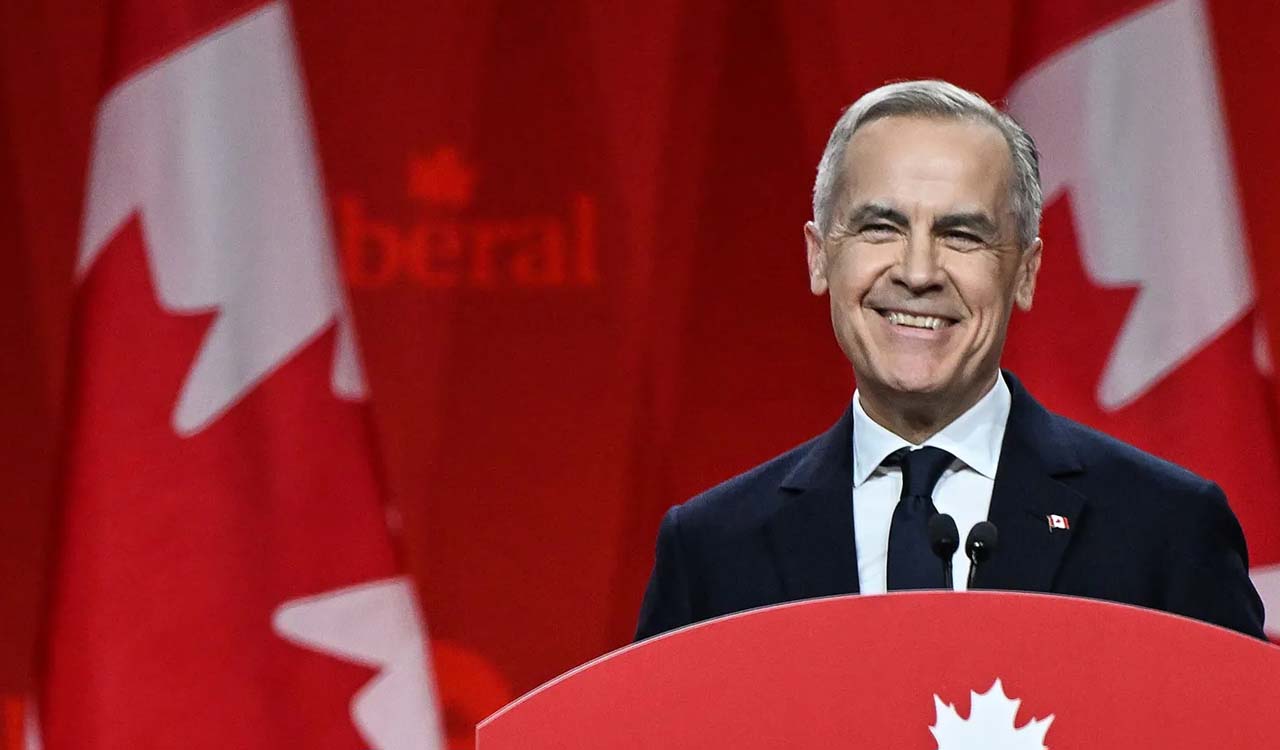
Over the decades, Canada has allowed itself to become a safe sanctuary for anti-India elements, particularly pro-Khalistan groups, openly calling for secession and asking Hindus to leave the country. India’s repeated requests through diplomatic channels for the extradition of peddlers of hatred went unheeded. In fact, these radical elements had a free run during the Justin Trudeau regime, as reflected in frequent attacks on Indian consulates in different Canadian cities. Thankfully, things are changing now. Since his victory in the national election in April last year, Prime Minister Mark Carney has been taking sagacious steps to put the strained bilateral relations back on track. Carney’s pragmatic approach towards India has helped send across an unambiguous message to the anti-India elements that they cannot take Canadian freedom for granted to malign India. The legislation against hate crimes, passed recently by the Canadian House of Commons, is the latest demonstration of Ottawa’s resolve to rein in the hate mongers. The Bill, which covers hate crimes against all religions and ethnicities, will now go to the Senate and, after being passed, will require royal assent to become law. No wonder the proposed legislation is widely hailed by the Indian community across Canada, which has long been targeted by pro-Khalistan extremist groups. These pro-Khalistani groups frequently exploited religious occasions to promote extremism. A few years ago, during a religious parade, these elements displayed bullet-riddled images of former Prime Minister Indira Gandhi alongside her assassins, glorifying the act.
Anti-India elements often used Canada’s liberal laws on liberty and expression to target India and Indians. Gurpatwant Singh Pannun of Sikhs for Justice had issued open threats to the Hindu community in the past. Once Bill C-9 becomes law, such actions could attract prosecution and severe punishment. While Bill C-9 is expected to impact pro-Khalistan activities, its primary objective is to curb anti-Semitism linked to pro-Palestine campaigns. Attacks on Hindu temples and Jewish synagogues in recent years have raised serious concerns, with authorities often criticised for inaction. Canada has now acknowledged the growing problem of hate crimes and extremist activities on its soil. The proposed law aims to curb the use of symbols and messages that glorify violence, including those used by groups such as Babbar Khalsa International. Importantly, it will not allow exemptions under “good faith” in the name of religion, closing a loophole that had been misused to promote hate. Although not targeted at any specific group, it is expected to make it harder for those exploiting legal gaps to incite hatred and violence against religious and ethnic communities. The Trudeau administration had faced severe criticism for pursuing a dangerous appeasement policy for political survival. His desperate moves were aimed at playing to the gallery, especially the supporters of Khalistan. However, his successor, Carney, has adopted a more balanced and pragmatic approach.