
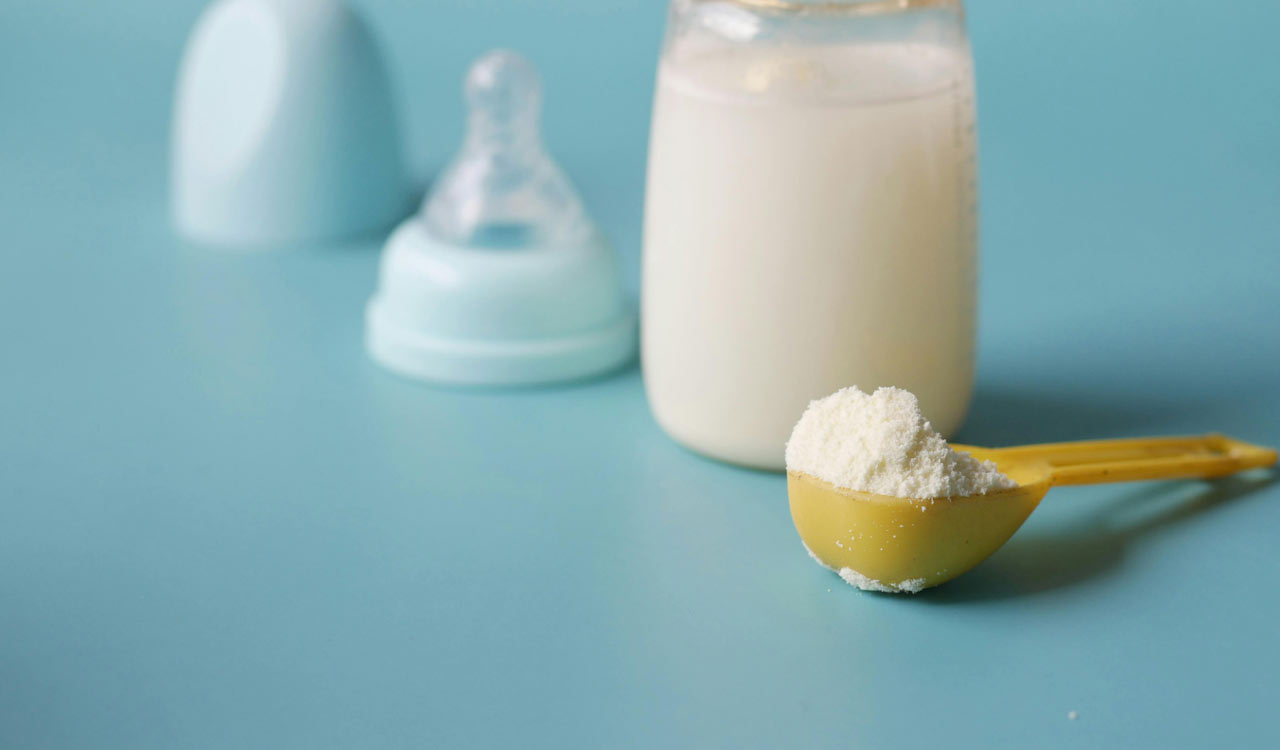
Regulatory authorities in India are proposing a ban on added sugar in all milk-based foods for infants aged 6–24 months. The move follows global criticism of manufacturers accused of selling sugary baby foods in developing countries while offering sugar-free versions in Europe.
Published Date – 15 March 2026, 02:06 PM
Hyderabad: The country’s infant nutrition landscape is set for a major shift, as regulatory authorities propose ‘zero-added sugar’ mandatory for all milk-based foods targeted at infants aged between 6 and 24 months.
The existing regulations allow added sugars like sucrose and fructose, provided they don’t exceed 20 percent of total carbohydrates. The proposed rule, which is already attracting a lot of pushback from manufacturers, proposes to slash this limit from 20 percent to zero.
For milk-based products, only naturally occurring lactose will be permitted and for infants who are lactose-intolerent, the regulatory authorities are considering allowing complex carbohydrates like polysaccharides, in place of refined sugars, which will remain on the banned list.
The regulatory push follows a global controversy triggered by a report from Swiss NGO ‘Public Eye and the International Baby Food Action Network (IBFAN)’. The report exposed alleged ‘double-standard’ where certain manufacturers added sugar to infant cereals sold in developing countries like India, while offering sugar-free versions of the same brands in European markets.
The revelations in the report sparked widespread public outcry and prompted the government to tighten local safety standards. With roughly 25 million births annually, the regulatory authorities here also believe that banning sugar from milk products will go a long way in combating rising rates of childhood obesity and early-onset metabolic diseases.
Moreover, the idea of banning sugar in milk products is nothing new, as the Hyderabad-based National Institute of Nutrition (NIN) in its landmark Dietary Guidelines for Indians (2024), had already advised that children under the age of two years should consume no added sugar.
The guidelines, specifically for infants, emphasize that sugar or salt need not be added to complementary foods starting at six months, and parents should strictly avoid feeding infants any foods or beverages with added sugar.
The dietary guidelines of NIN also made it clear that the focus should be on providing a variety of homemade, nutrient-dense semi-solid foods such as cereals, millets, pulses, milk, vegetables, and fruits, to ensure optimal growth and development.
“Avoiding added sugar during this critical period is essential to prevent infants from developing a taste preference for sugary foods, which can lead to obesity, insulin resistance, and other metabolic disorders later in life,” NIN Dietary Guidelines said.
The NIN advisory has also underscored that natural lactose from milk is sufficient, and complementary feeding should prioritize whole, natural ingredients to establish healthy lifelong eating habits.
Some important points:
- Mandatory zero-sugar policy in all milk products for infants
- At present 20 percent sucrose and lactose is allowed in infant milk-products
- NIN guidelines had recommended for zero sugar in milk products for infants
- Natural lactose available in mother’s milk is sufficient for the baby
- Pushback from manufacturers has started, as they demand implementing in phases
- Companies argue that the move will create reformulation challenges, impact shelf life and taste