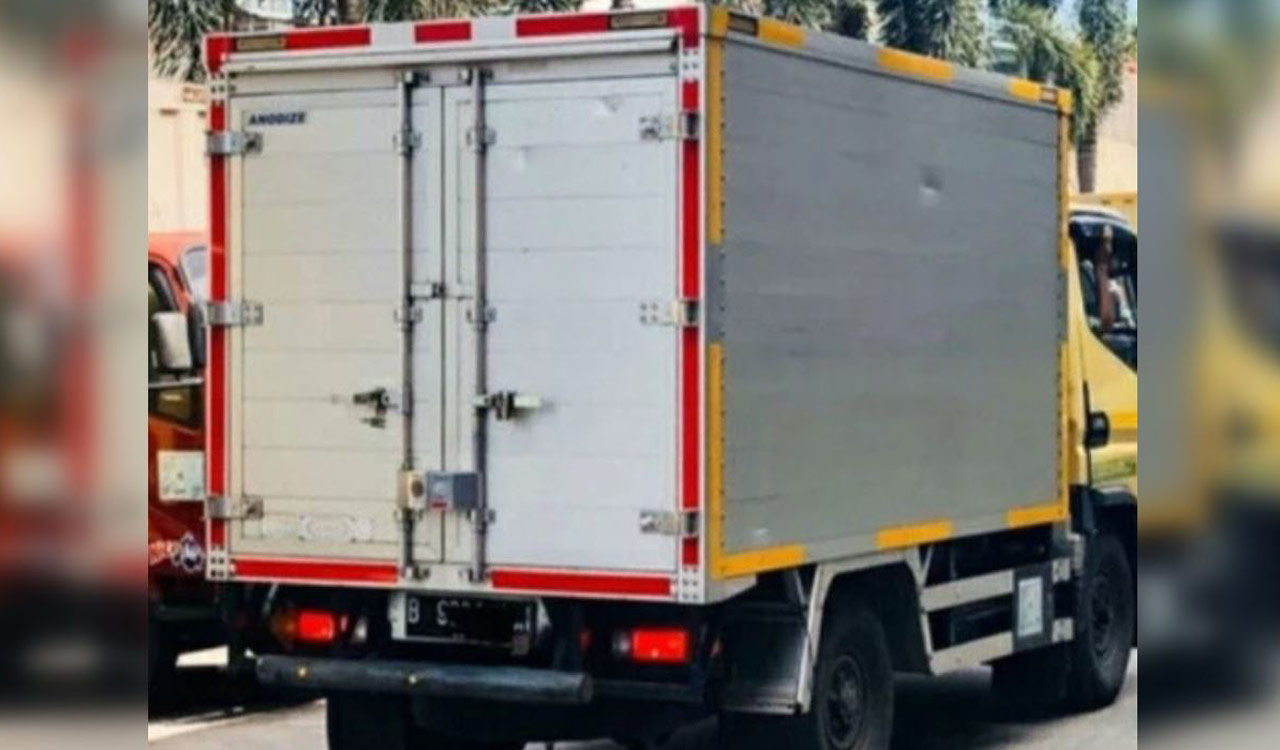
The State Transport Department has made QR code-based reflective tapes and rear marking plates mandatory for transport vehicles from March 20 to reduce night-time accidents. Vehicles without QR-verified tapes will not receive fitness certificates after a three-month grace period.
Published Date – 12 March 2026, 03:53 PM
Hyderabad: In a proactive move aimed at reducing night-time road accidents, the State Transport Department has made ‘QR-code’ based certification mandatory for reflective tapes and rear marking plates on transport vehicles.
The new rule, introduced under the Central Motor Vehicle Regulations, is expected to come into force from March 20.
Transport Department authorities said all categories of transport vehicles must install these reflective tapes. “The measure is intended to improve visibility of vehicles such as trucks and slow-moving transport carriers that are parked or moving on roads at night,” said a senior official from the Transport Department.
With reflective markings, vehicles can be noticed from a distance of nearly 500 metres, significantly lowering the chances of collisions.
To ensure quality standards, the State government has authorised only five approved manufacturers to supply the reflective tapes i.e., Orfol India, 3M India, Glodian Reflective, Daoming Reflective and Avery Dennison.
Officials said the reflective tapes installed by unauthorised vendors will not be considered valid. Each approved tape will carry a ‘QR code’ along with the Transport Department logo, hologram and a unique serial number for verification.
Dealers installing the tapes will also provide a certificate containing the vehicle details and a minimum two-year warranty.
Officials said prices for the tapes have been fixed by the Transport Department to prevent overcharging. Strict action, including cancellation of licences, will be taken against dealers who collect more than the prescribed rates.
Vehicles that fail to install QR-verified reflective tapes will not be issued fitness certificates in the future. However, authorities have allowed a three-month grace period from the date of the circular before the rule becomes fully enforceable.