A Hyderabad-based anaesthesiologist, Dr Karthik Deegutla, has highlighted the critical importance of sharing family medical history before surgery. He recounted a case where a 22-year-old patient developed Malignant Hyperthermia, a rare genetic reaction to anaesthesia, during routine surgery.
Published Date – 24 February 2026, 03:09 PM
Hyderabad: We often hear tragic accounts of relatives, friends or acquaintances who unexpectedly pass away on the operating table after receiving anesthesia. While such instances are usually dismissed as ‘unfortunate incidents’, it is possible for the patient’s family to forewarn doctors about a hidden medical condition simply by sharing their medical history.
A prominent anesthesiologist from Hyderabad and the voice behind widely followed social media platform, Anesthesia Notes, Dr Karthik Deegutla says “Anesthesia is incredibly safe in 2026. But it is as safe as the history that the relatives of the patients share with the doctors. If a relative died on the operation table even 40 years ago, tell your anesthesiologists. A simple genetic test or a TIVA (total Intravenous Anesthesia) approach can save the life of the patient”.
In one of his recent posts, Dr. Deegutla referred to a rare genetic condition called Malignant Hyperthermia (MH) while sharing his experience administering anesthesia to a healthy 22-year-old patient undergoing routine surgery in Hyderabad.
Minutes after anesthesia, the youngster’s body literally turned into a furnace and his heart rate spiked to 150 beats per minute. His jaw became rock-hard due to muscle rigidity.
“This was not an infection. This was a metabolic storm, a rare genetic mutation where anesthesia gases cause the muscles to dump calcium, producing massive heat, acid and potassium enough to stop the heart in minutes,” the doctor described.
The surgical team realised it was Malignant Hyperthermia. “We ripped off anesthesia vaporizers, gave 100 percent oxygen and ice packs in the armpits and groin. But, we needed the silver bullet Dantrolene,” Dr Karthik said.
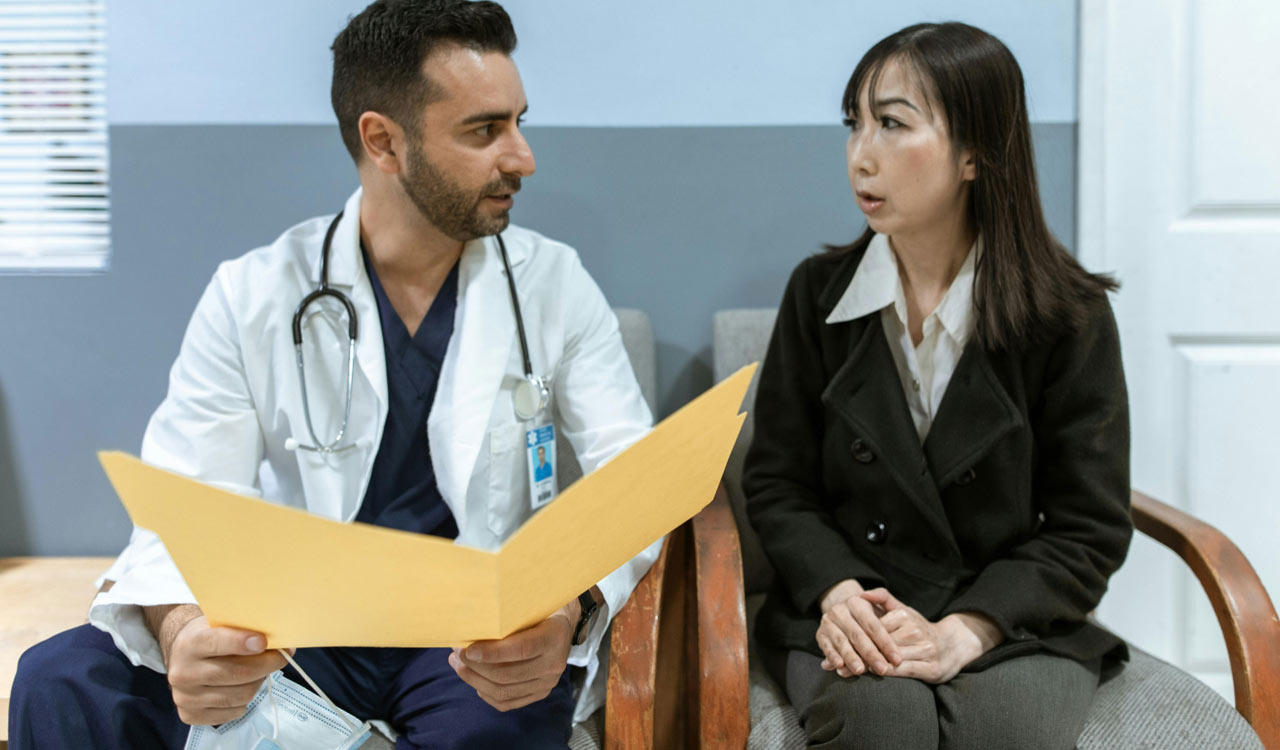
The team of doctors secured the drug and were able to revive the patient just in time. Later, while interacting with the doctor, the patient’s family revealed that an uncle had died during a minor surgery in the 1990s.
“Sometimes sharing family history becomes very important. If a risk is identified, then doctors can switch to TIVA, which bypasses the ‘trigger’ gasses. Using IV medications keeps patients safe,’ the doctor added.