
On the occasion of the International Day for the Prevention of Violent Extremism as and when Conducive to Terrorism, it is important to revisit the historical roots of extremist movements and their impact on global stability. One of the most significant challenges facing the world over the past century has been the emergence of extremist currents—particularly those rooted in religious ideology. At various junctures, and shaped by shifts in international relations, extremist movements have surfaced and gone on to generate regional and even global crises.
For instance, following the Soviet Union’s invasion of Afghanistan in the 1980s, the United States—within the broader Cold War rivalry between East and West—strengthened radical religious factions in Afghanistan. This support ultimately laid the groundwork for the formation of al-Qaeda as a counterweight to Soviet expansion. The subsequent rise of other religiously framed extremist movements across parts of the Islamic world in later decades contributed to embedding the notion in public opinion that extremism is inherently rooted in Islam. Yet despite periods during which such groups seized control of parts of Muslim territories and proclaimed governance, no Islamic country ever formally recognized their authority.
It is noteworthy, however, that the foundation of the Zionist regime in Palestine was itself rooted in extremist interpretations within Judaism. In the late nineteenth century, Jewish extremists—motivated by the belief that Palestine constituted their divinely promised land—laid the groundwork for organized Jewish migration to the territory. The establishment of the political Zionist movement by Theodor Herzl, the lobbying of Western governments to facilitate Jewish immigration, the issuance of the Balfour Declaration by the British government supporting the creation of a “national home” for the Jewish people, and numerous related political initiatives all stemmed from this ideological conviction that such a homeland must be established in Palestine.
Yet political declarations alone were insufficient without action on the ground. Early Jewish immigrants formed armed groups and carried out violent operations against Muslim inhabitants of the region, seeking to create an atmosphere of fear that would compel them to leave. Haganah, founded in 1920, was among the first Jewish extremist organizations and functioned as the military arm of the Zionist movement. David Ben-Gurion, the regime’s first prime minister, Ariel Sharon, and many other Israeli leaders were among its members.
Over time, even more radical offshoots emerged. The Irgun, responsible for numerous attacks—including the 1946 bombing of the King David Hotel—counted future prime ministers Menachem Begin and Yitzhak Shamir among its ranks. Another group, Lehi (also known as the Stern Gang), established in 1940, carried out operations including the Deir Yassin massacre alongside Irgun and the assassination of Count Folke Bernadotte, the Swedish diplomat and senior United Nations mediator in the Arab–Israeli conflict. The scope of Lehi’s activities was such that it was designated a terrorist organization by the British government.
Following the establishment of the Zionist regime in 1948, these same armed groups formed the backbone of its military apparatus, transferring their operational experience and extremist methods into the newly created army. In effect, the Israeli regime was built upon a series of violent and extremist actions. Nevertheless, despite this background, the regime was recognized by many countries that simultaneously claim to oppose terrorism—and extensive political and strategic ties have since been maintained with it.
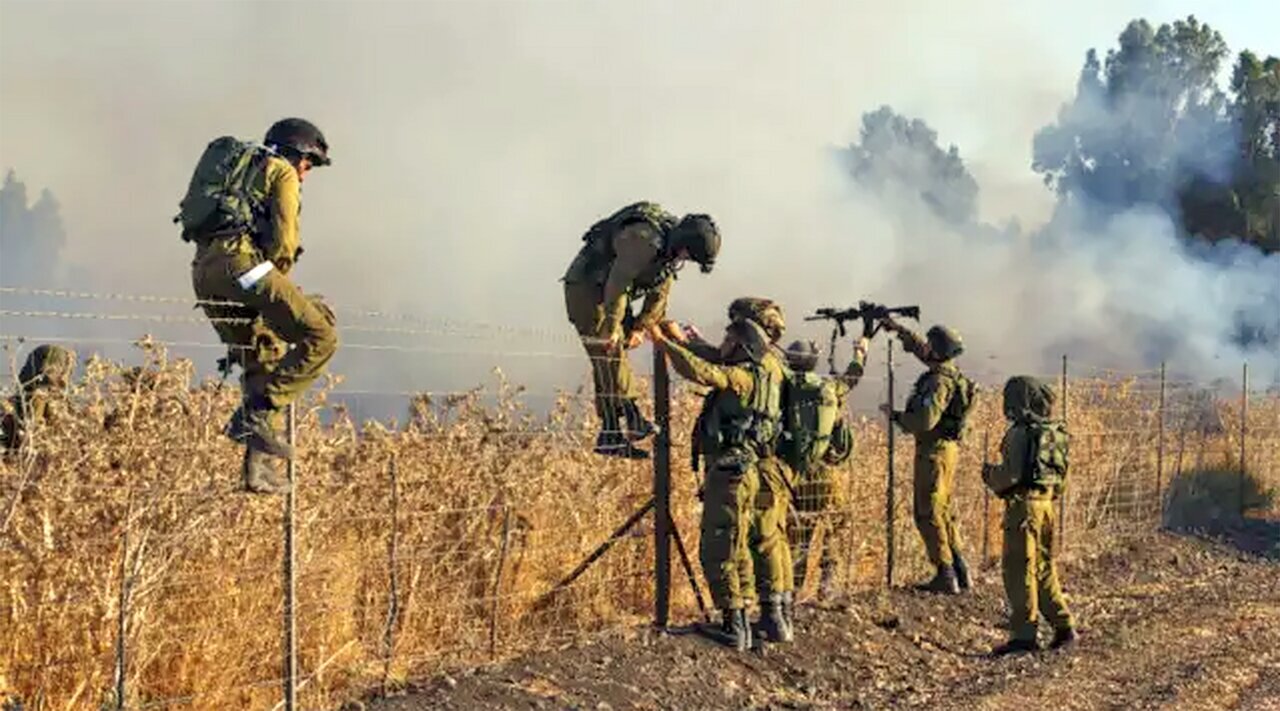
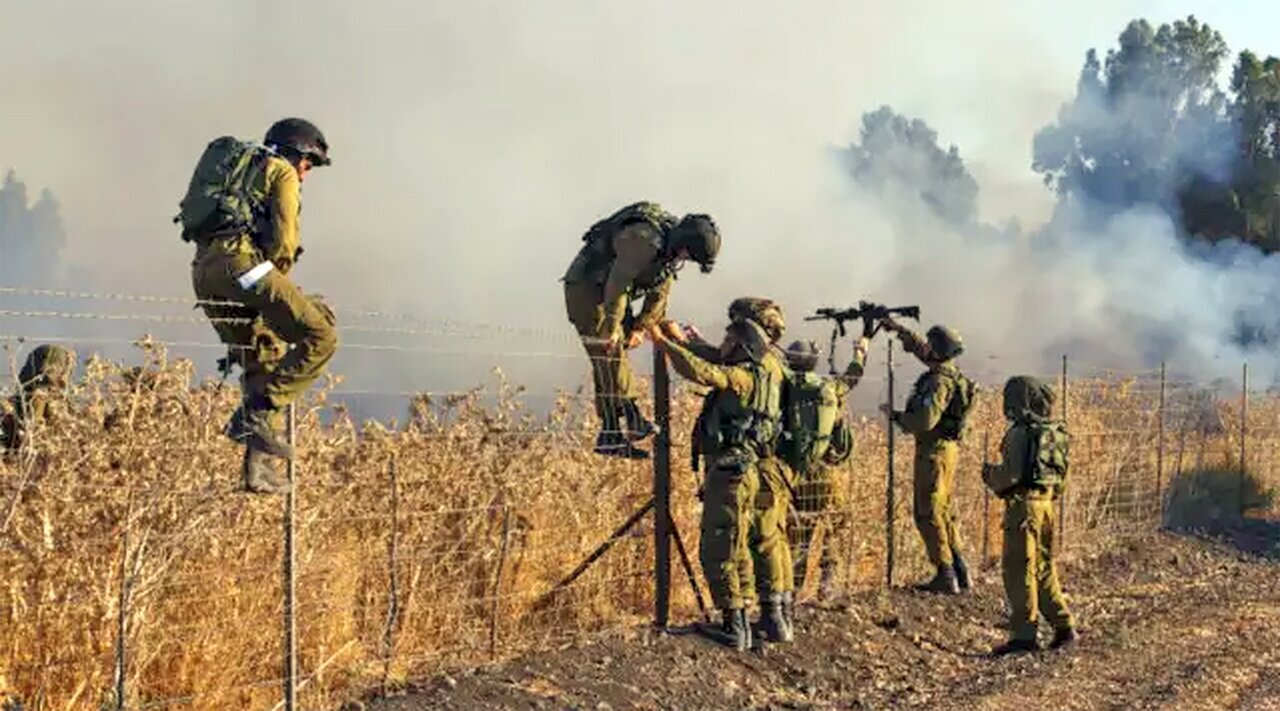
Developments following October 7, 2023, further indicate that extremist tendencies within segments of Israeli political leadership have not diminished but intensified. The killing of more than 70,000 Palestinians and military incursions into parts of neighboring countries, including Lebanon and Syria, underscore the argument that confronting Jewish extremism should be prioritized in today’s global struggle against violent radicalism—an extremism that, critics argue, has long surpassed the boundaries of violence.