
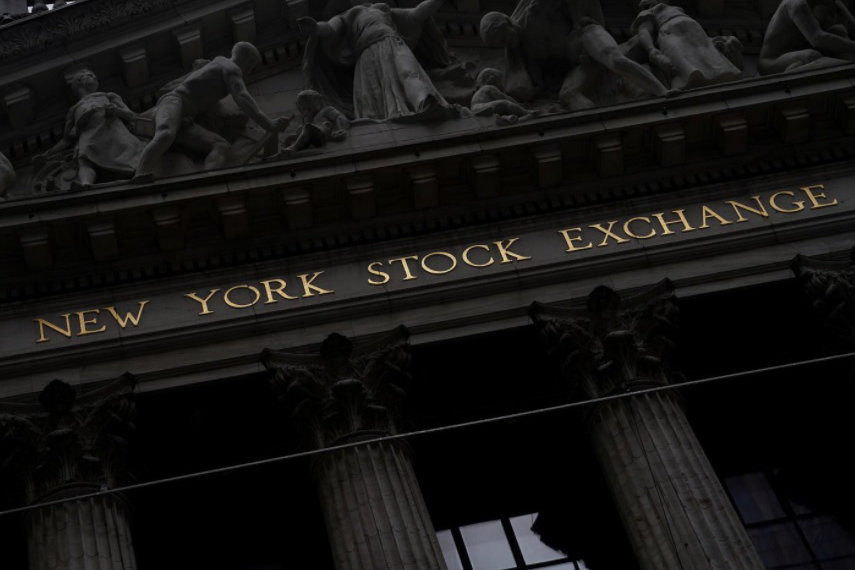
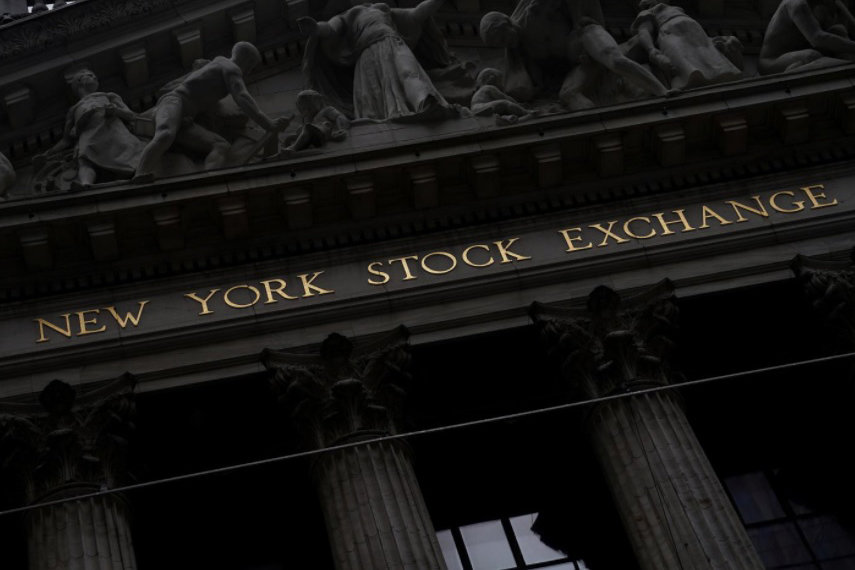
Global markets suffered another sharp decline on Friday, as US stocks recorded their steepest weekly losses in more than 18 months. European equities were also affected, while investors increasingly turned to government bonds, a report by Press TV said on Saturday.
Investors are worried that whether the massive investment in artificial intelligence will generate returns sufficient to justify soaring technology valuations.
Expectations of further US interest-rate increases have added to those concerns, alongside political uncertainty following a setback for the Republican Party and the resignation of Nvidia CEO Jensen Huang. The ongoing US-Israeli aggression on Iran also has added to the concerns.
US stocks suffered a massive sell-off on Friday, with the S&P 500 plunging 3.7%, the Nasdaq Composite tumbling 5.28% and the Dow Jones losing nearly 950 points.
Technology and semiconductor stocks led the declines amid growing concerns over AI valuations, escalating geopolitical tensions and economic uncertainty. The sell-off extended across Europe, with major markets also recording sharp weekly losses.
The rout wiped out more than $4 trillion in market value from Nasdaq-listed companies during the week, according to Le Monde, highlighting the scale of investor anxiety over the global technology sector and the sustainability of massive AI investments.
European stocks also tumbled, with the STOXX 600 falling around 2% and recording its steepest weekly decline since March 2025, as technology and semiconductor shares led widespread losses across major markets, including Germany, France, Britain and Italy, amid growing concerns over AI spending and global economic uncertainty.
War on Iran pressuring the global economy
The war on Iran added to market uncertainty, as the strait of Hormuz is closed. Significant share of the world’s oil and liquefied natural gas supplies passes through the strategic waterway.
Oil prices edged higher on Friday amid concerns about a possible escalation. Brent crude settled at $92.57 a barrel, up 0.64%, while US West Texas Intermediate rose 0.93% to $83.98.
High energy prices also made it harder for US Federal Reserve and other central banks to control the inflation in the country.
European economies are particularly exposed to fluctuations in energy prices because of their reliance on imported supplies.
The scale of the sell-off reflects more than a temporary correction in technology stocks. It exposes growing concerns about excessive AI valuations, uncertain returns on massive investments and the vulnerability of global markets to geopolitical shocks.
The simultaneous decline in US and European equities suggests that investor anxiety is spreading across sectors and regions, increasing the risk of a prolonged market downturn.
MNA


