
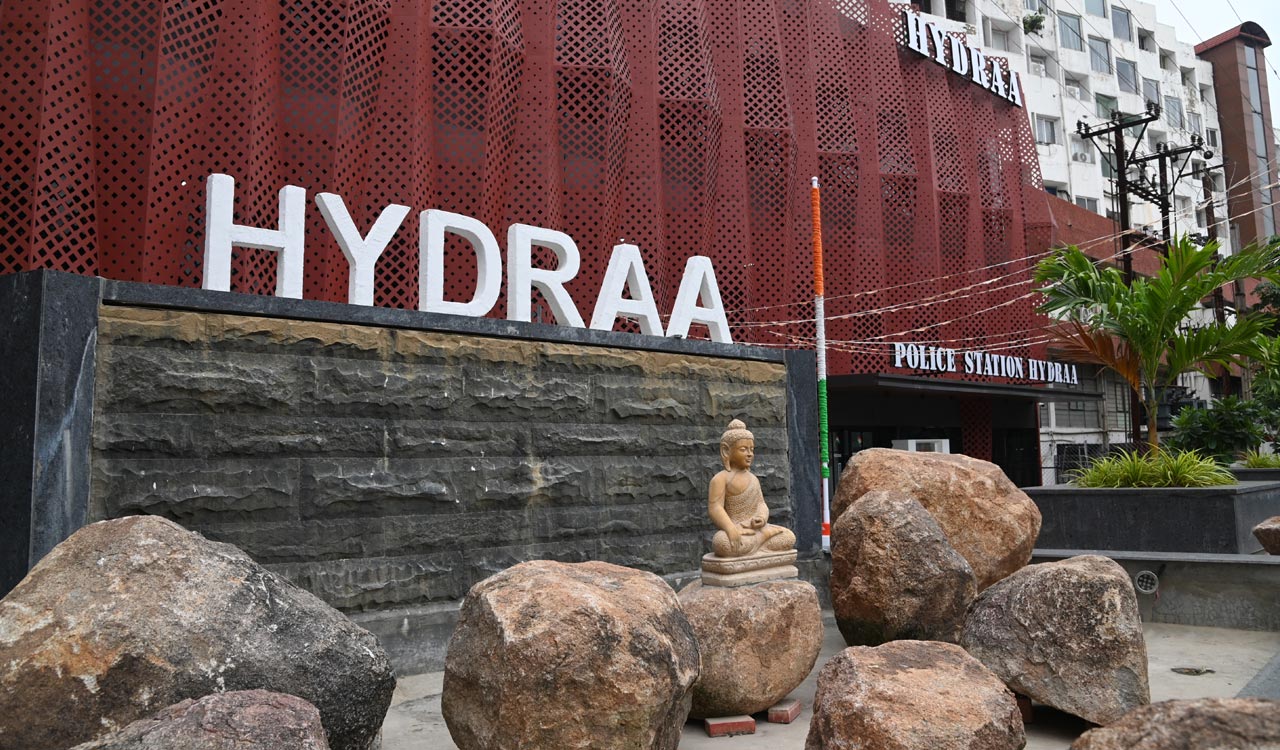
Despite HYDRAA’s warning to vacate unsafe buildings within three months, several hostel operators in Hyderabad and Cyberabad remain reluctant to relocate. Residents continue to live in cramped rooms with inadequate ventilation, narrow staircases and limited emergency escape options.
Published Date – 18 November 2026, 04:20 PM
Hyderabad: Safety warnings issued by the Hyderabad Disaster Response and Asset Protection Agency (HYDRAA) appear to have fallen on deaf ears, as several hostel managements in Hyderabad and Cyberabad remain reluctant to vacate unsafe premises or implement mandatory safety protocols.
Following the collapse of an illegally constructed seven-storey building intended as a hostel at Anjaiah Nagar in Gachibowli, killing two workers in the month of August, HYDRAA Commissioner AV Ranganath had instructed hostel operators to relocate from unsafe buildings to structurally sound premises within three months and implement measures to protect inmates.
Ranganath had warned that inspections would begin on January 1 and buildings at risk of collapse would be demolished.
However, several hostel operators in Anjaiah Nagar, Gachibowli, said they were unwilling to vacate their premises as they had taken them on lease for one to three years after paying lakhs of rupees. They said complying with HYDRAA’s caution could lead to the closure of hostels across Hyderabad and Cyberabad because most lacked safety measures.
A few thousand hostels, with narrow staircases, cramped rooms that are shared by two to four inmates, provide accommodation for new IT professionals, trainees, private-sector employees and housekeeping staff. Facilities include breakfast, lunch and dinner, while some women’s hostels also provide separate kitchens.
Thousands of students and young professionals living in private hostels in the city face suffocating and hazardous conditions, with these small living spaces lacking basic ventilation. Despite steep rents, most residents live in tiny, stifling spaces. Undersized lifts and dangerously narrow staircases further increase risks, offering little scope for a quick escape during emergencies, while safety norms remain widely ignored.
A few hostellers said they had no option but to stay in pigeon-box rooms with choked vents and narrow exits because monthly rents were comparatively affordable. Some occupants alleged that management profited from them while operating hostels with no safety measures, leaving thousands trapped in suffocating buildings without safe exits.
Despite repeated alerts over structural risks and encroachment hazards, operators continue to accommodate students and working professionals in the same buildings.