MP Qashqavi has questioned NPT’s relevance after attacks on Iranian nuclear facilities, while highlighting Iran’s military deterrence and its conditions for resuming diplomacy.
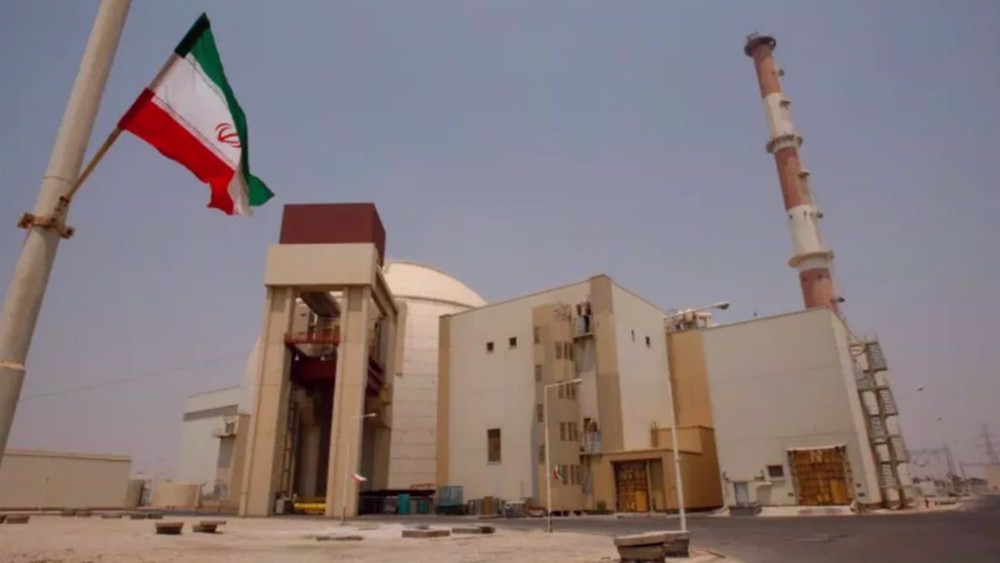
Bushehr Nuclear Power Plant, Bushehr province, Iran (File photo)
A senior Iranian lawmaker says NPT withdrawal has become a “serious national demand” in Iran following US-Israeli attacks on the country’s nuclear facilities.
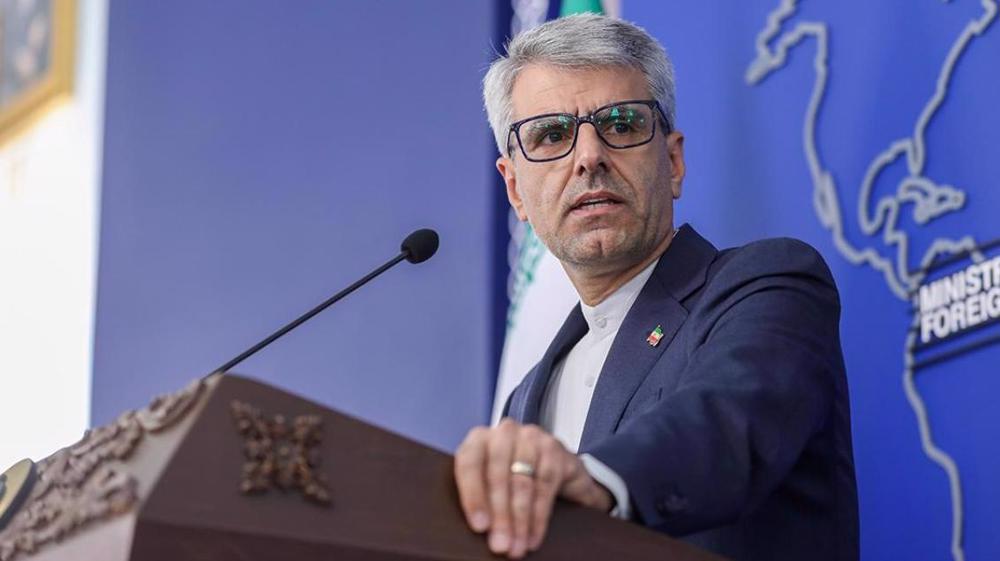
Hassan Qashqavi, spokesman for the Parliament’s National Security and Foreign Policy Commission, made the remarks at a press conference on Sunday, questioning the purpose of the Nuclear Non-Proliferation Treaty (NPT) after military strikes against the nuclear facilities of a member state.
He said it is the first time a member country’s nuclear facilities had come under military attack. “Is the NPT meant for wartime, when the United States attacks nuclear facilities, or for peacetime?”
Qashqavi also noted that the current circumstances have raised questions about the applicability of Iran’s comprehensive safeguards agreement and Article 68, adding that neither the parliamentary commission nor the parliament as a whole has reached a specific decision on withdrawal.
He went on to say that Iran has achieved a degree of deterrence through extensive improvements in its offensive and defensive capabilities, making the current situation different from the 12-day and 40-day wars.
“We are at the height of wartime conditions,” he said, adding that Iran is not seeking to initiate aggression but remains prepared to defend itself.
“The enemy may start the war, but its end is up to us,” Qashqavi said, warning that any future attack would not necessarily be a brief operation lasting only a few days.
On diplomacy, he said Iran is in a post-negotiation and post-agreement phase, arguing that previous negotiations have already covered all relevant issues and resulted in an agreement signed by the presidents of Iran and the United States.
He emphasized that Washington abandoned that agreement, saying there is now “nothing left to discuss.”
Qashqavi further stressed that diplomacy has not been ruled out, saying Iran has outlined seven conditions for resolving the situation.
If Washington agreed to respect those conditions, he said, Iran could move beyond the current state of “neither war nor peace”, paving the way for greater regional stability and new security arrangements.
The senior lawmaker said the choice is now up to Washington, adding that Iran was prepared to fight if the United States chose war but is also willing to move toward a new arrangement if its conditions were accepted.
Qashqavi also criticized US economic restrictions on Iran, arguing that they affected markets and populations across neighboring countries, not just Iran’s population of around 90 million.
He said approximately 300 million people in neighboring markets are affected, as he called on their governments to protest the measures.
Qashqavi further said countries that provide territory for attacks against Iran should pay compensation.