
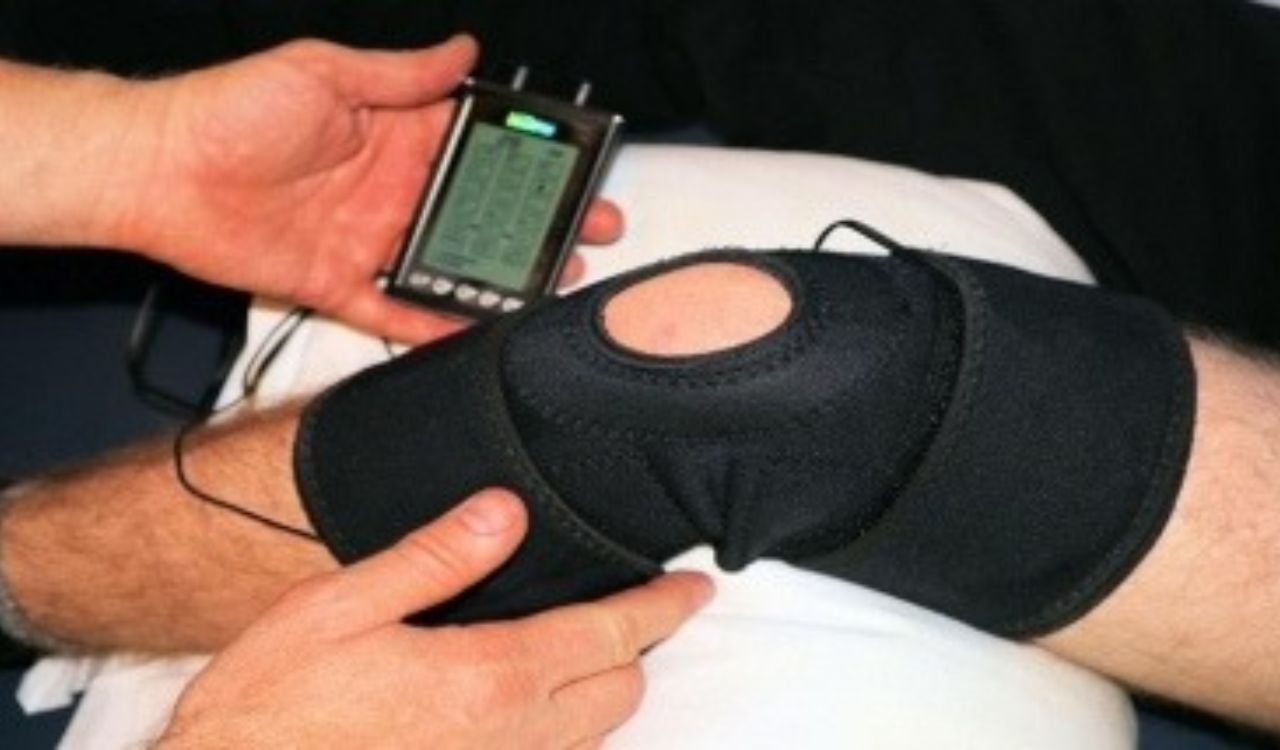
The NPPA has extended ceiling prices for orthopaedic knee implants until January 15, 2027, while directing strict monitoring of revised prices for 137 non-scheduled anti-cancer drugs. The measures aim to regulate costs and ensure patients benefit from lower medicine prices
Updated On – 14 November 2026, 12:31 PM
New Delhi: The National Pharmaceutical Pricing Authority (NPPA), under the Department of Pharmaceuticals, has extended the validity of ceiling prices for orthopaedic knee implants used in knee replacement systems till January 15, 2027, according to an official statement.
The extension will remain in force beyond the earlier deadline of November 15, 2026, unless amended through a subsequent notification.
The NPPA’s decision to extend the existing price-control order was prompted by representations received from manufacturers and industry associations.
The ceiling prices for knee implants were first notified on August 16, 2017, and have been extended periodically since then.
Separately, the NPPA has directed strict monitoring of the implementation of Trade Margin Rationalisation (TMR) on 137 non-scheduled anti-cancer drugs, for which revised prices came into effect on November 9.
The latest revised price lists, based on submissions received from companies up to November 11, are available on the NPPA website and the Pharma Sahi Daam app/portal, the Ministry of Chemicals and Fertilisers said in its statement.
All manufacturers, retailers, dealers, stockists, hospitals and medical institutions have been directed to comply with the revised prices and prominently display the updated price lists on their premises and websites.
The price cap is expected to generate annual savings of around Rs 3,502.31 crore for consumers, an official factsheet said, adding that more than 1,000 medicines across different brands have witnessed significant price reductions.
As many as 76 pharmaceutical companies had reported revised maximum retail prices (MRPs) for 1,225 anti-cancer formulations covering 121 drugs.
State Drug Controllers (SDCs) must strictly monitor compliance by manufacturers, dealers, hospitals and medical institutions to ensure that the benefits of the revised MRPs are passed on to patients. Any violation may attract overcharging proceedings under the provisions of the Drugs (Prices Control) Order (DPCO), 2013, the statement said.
Stakeholders and consumers can submit complaints regarding overcharging, shortages or non-availability of medicines through the Pharma Sahi Daam app/portal, the NPPA helpline (1800-111-255) or email.