
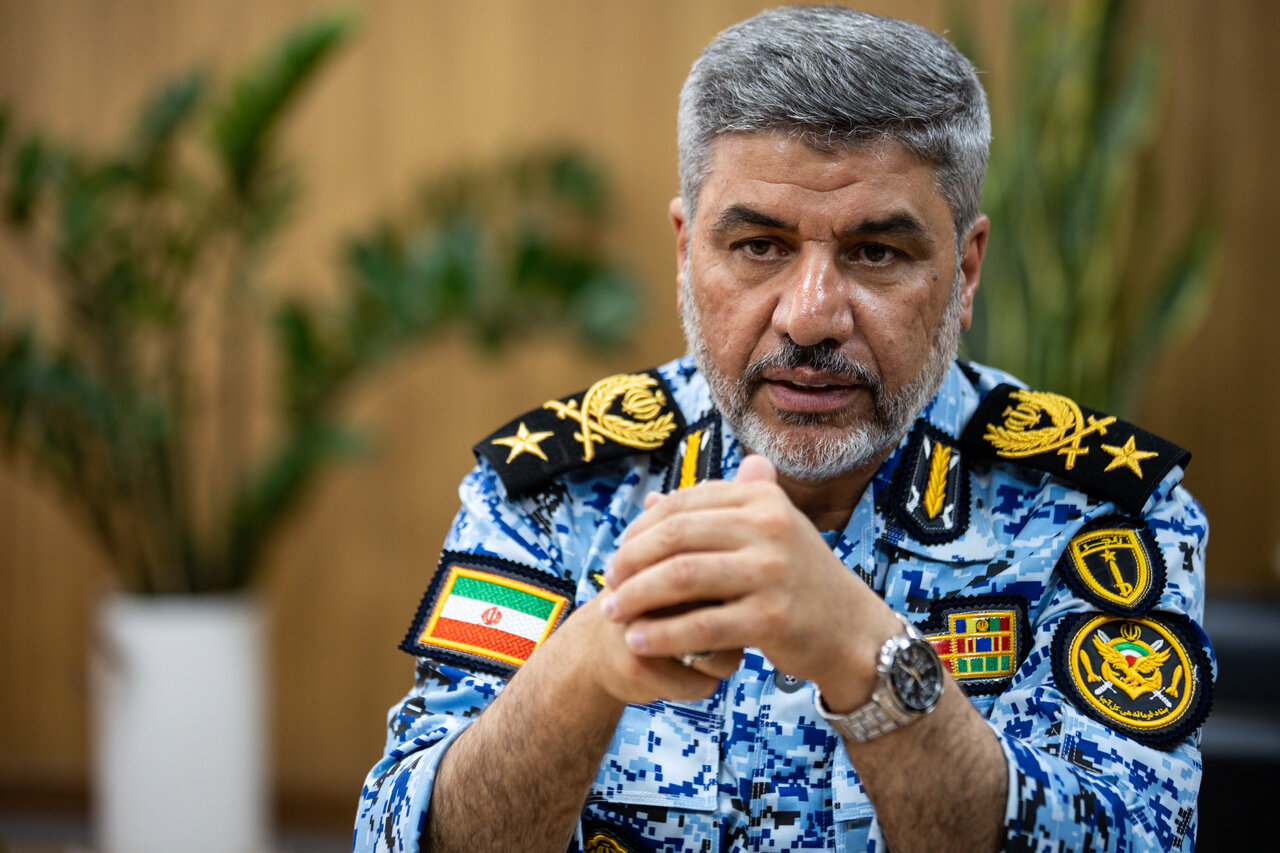
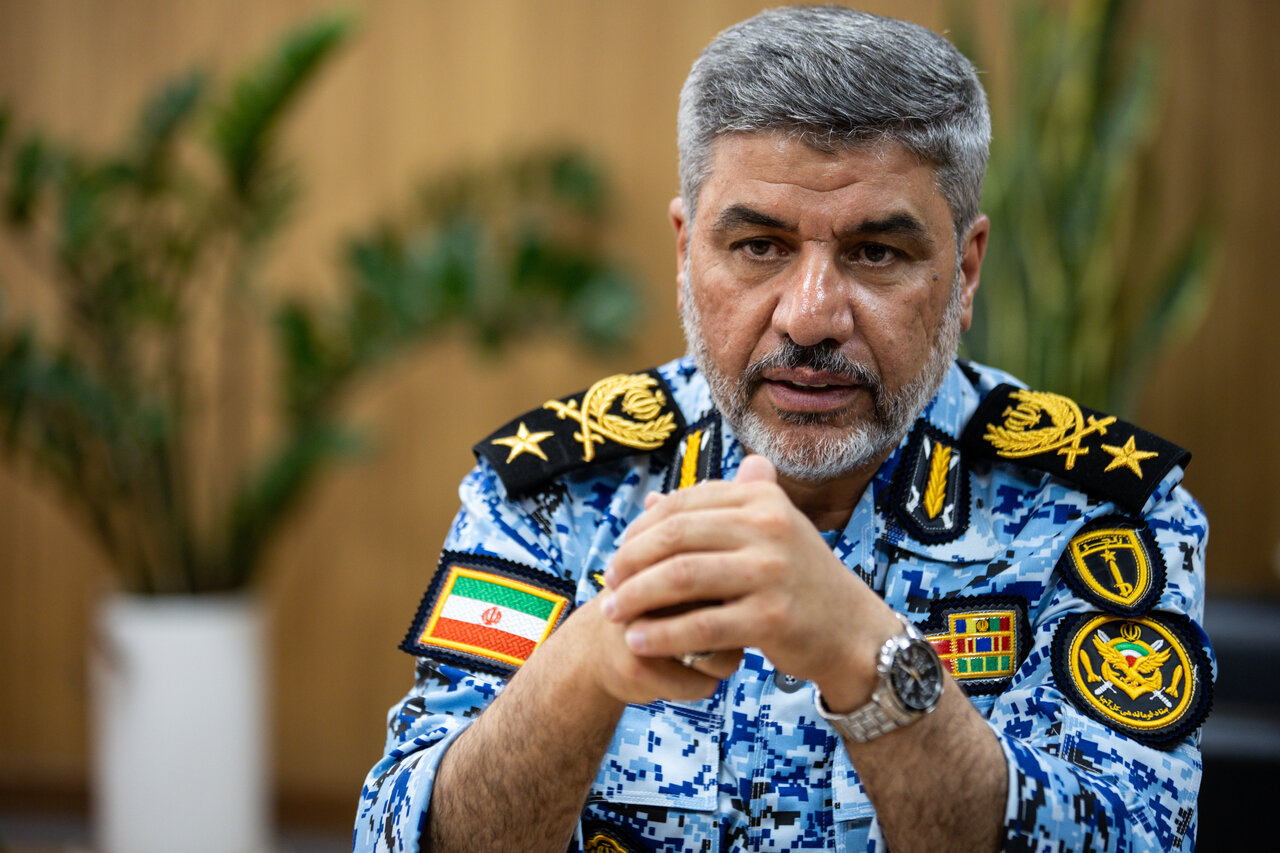
Army Spokesman Brigadier General Mohammad Akraminia has emphasized that concepts of ‘impactful response’ and ‘without geographical limitations” have been operationally defined and are currently being turned into the executive and actionable strategies.
Expounding on the dimensions of transformation in the country’s military doctrine, the Army spokesman stated implementation of the recent directives issued by Leader of the Islamic Revolution and Commander-in-Chief of the Armed Forces Ayatollah Seyyed Mojtaba Khamenei is being pursued with seriousness, noting this necessitates a shift toward an offensive doctrine, the acquisition of appropriate weaponry, and a transformation in the combat methods.
Noting that the previous military doctrine was based on a defensive posture and a retaliatory or punitive deterrence, he added, “Within this framework, the objective was to repel the enemy’s first strike, followed by a second strike, proportional to the enemy’s action, carried out within the regional geographical scope and targeting the US bases in the region.”
Referring to the response of the Armed Forces at the outset of war, he stated that “effectiveness” and “absence of geographical limitations” are among the new elements emphasized in the directives issued by the Leader of the Islamic Revolution which now serve as the basis for the actions of the Armed Forces.
General Akraminia assessed the political situation of the American-Zionist enemy as unfavorable, starting, “From the perspective of political analysis, these developments might reduce the likelihood of war. However, the program to enhance the combat and defensive capabilities of the Armed Forces continues uninterrupted and independent of these developments as the Army’s actions are fundamentally guided by the execution of the missions and directives set forth by the Leader of the Islamic Revolution.
Elsewhere in his remarks, the Army spokesman referred to the latest situation in the Strait of Hormuz, underscoring, “Following the Islamabad memorandum of understanding (MoU), the Americans attempted to establish a spurious and fake route south of the strait, and sought to both encourage and compel shipping companies and vessel owners to use it.”
Akraminia also attributed the insecurity spread in the region to US interference, stating that vessels forced by the US to enter unsafe routes encounter naval mines and sustain damage, a situation that also harms shipping and transport companies.
Shipowners and commercial shipping companies may transit through designated secure routes in coordination with the Armed Forces of the Islamic Republic of Iran, which guarantee the security of these routes, the Army spokesman added.
MNA/ 7005334


