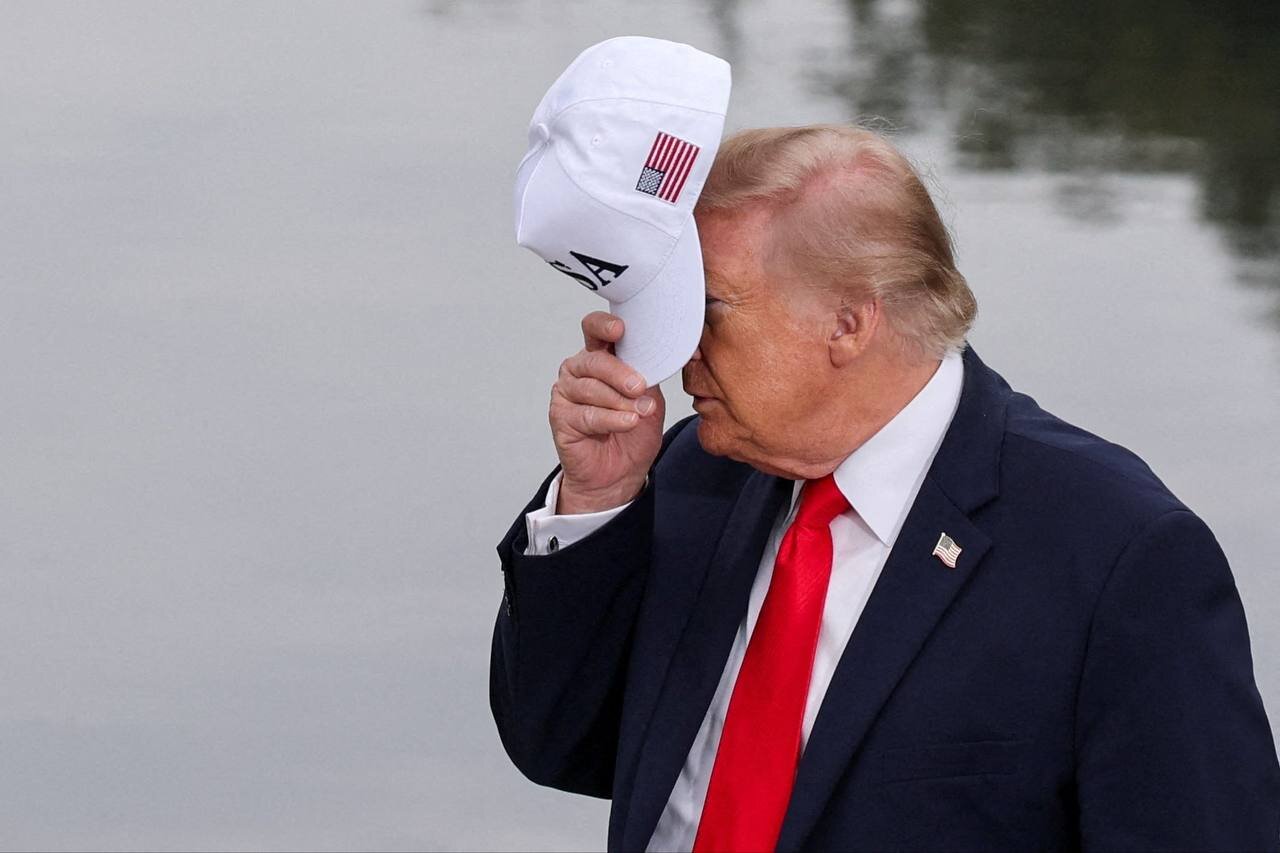
Republicans not only lost their majority in Congress but, by ceding both chambers, i.e. House of the Representatives and the Senate, to the Democrats, found themselves in a position that could make it increasingly difficult for the White House to pursue its domestic and foreign policy agendas. This defeat occurred against a backdrop where Trump had repeatedly sought to transform US foreign policy into a stage for the projection of his own personal power, ranging from threats of military force and application of economic pressure against rivals to engaging in costly confrontations and stoking tensions with Washington’s traditional allies.
In the meantime, military confrontation with Iran emerged as a key factor in the Republicans’ defeat, a reality that even senior officials within the Trump administration can no longer deny in terms of its political consequences. According to an ABC News exit poll, 34 percent of voters stated that the issue of confrontation with Iran played a decisive role in their electoral choice. This figure indicates that the decision Trump made, ostensibly to project strength and ensure America’s security, ultimately cost him the support of a segment of the electorate.
He further emphasized that anyone who believes this confrontation was worth the cost of losing the Senate majority for the next six years should openly defend that position. Vance also underscored the necessity of ending the conflict, addressing the cost of living, and re-evaluating the US relationship with Israel. These stances should be viewed as more than a simple difference of opinion; Trump’s Vice President is effectively distancing himself from one of the President’s most significant foreign policy decisions—all at a time when speculation is mounting regarding his political future and a potential run for the presidency in 2028.
On the other hand, Trump continues to defend his decision. Following the election, he acknowledged that the confrontation with Iran played a role in the Republicans’ defeat, yet stated that if he could go back in time, he would make the same decision again. Rather than a sign of strength, this reaction reveals the President’s inability to accept the strategic costs of his own decisions. Trump seeks both to deflect political responsibility for the defeat and to persist in a policy that even his own deputy identifies as a primary reason for the Republican Party’s failure.

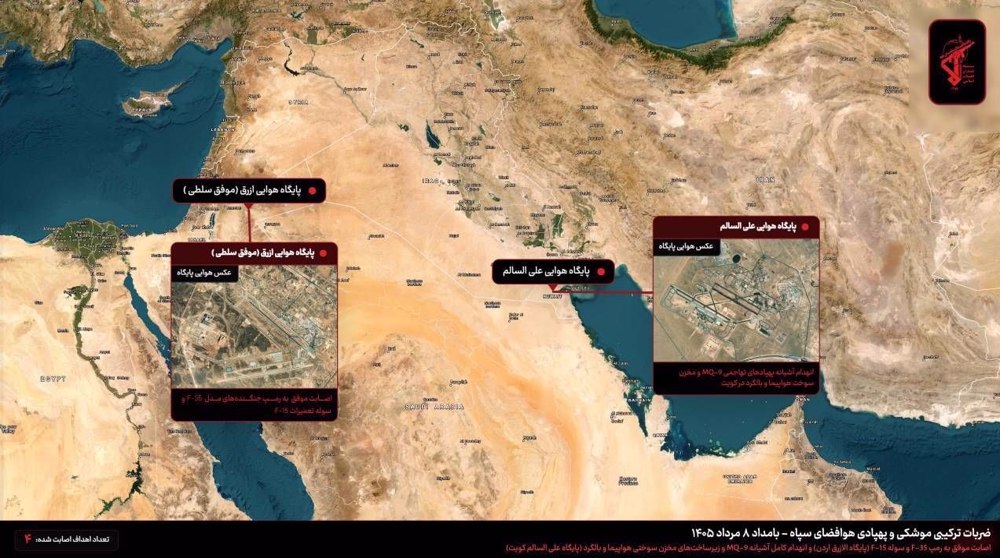
The financial bill of this policy is also substantial and heavy. US Department of War [Pentagon] estimates indicate that the cost of confronting Iran had reached approximately $47.1 billion by October 16, 2026, a figure comprising roughly $29 billion to replace expended munitions, $6.1 billion for lost equipment, and nearly $11.9 billion in operational and support costs. This estimate does not even fully account for the damage sustained by certain US military bases and infrastructures in the region. Beyond these costs, rising energy prices and the economic strain on American households have further fueled public discontent. In other words, a policy intended to project American power has instead become a direct financial burden on taxpayers and a liability for the administration’s political standing.
However, Trump’s failures are not limited to the Iran dossier. His foreign policy in Latin America, the use of economic pressure and tariffs against other nations, tensions with European and Asian allies, and his inconsistent approach toward Ukraine have all raised serious questions regarding the stability and credibility of US foreign policy. In practice, Trump has sought to leverage economic and military tools to impose his demands; yet, this approach has often resulted in increased costs, intensified disputes, and the erosion of trust among allies. By ceding control of Congress to the Democrats, American voters have now delivered a political response to this set of policies.
Under such circumstances, one of the Democrats’ most significant tools is the “power of the purse”—a term referring to Congress’s legal authority to approve and allocate government funding. According to the US Constitution, the government requires appropriations authorized by Congress to spend public funds. Consequently, Democrats can limit or place conditions on the funding of certain military operations, make different decisions regarding foreign aid, and leverage the defense budget to compel the White House to be accountable.
Of course, this tool does not signify an immediate end to Trump’s policies. The President can veto acts of Congress, and overriding such a veto requires a two-thirds majority in both chambers. The experience of 2007—when Democrats attempted to place conditions on funding for operations in Iraq—demonstrated that a President can withstand such pressure, effectively placing his opponents in a difficult political position. Nevertheless, control of Congress enables the Democrats to subject the administration to oversight, summon senior officials to account for their actions, investigate the costs of military operations, and challenge the funding mechanisms for the administration’s programs.
In fact, Trump now faces a situation different from that of the early months of his presidency. While he remains the Commander-in-Chief and the head of the executive branch, he can no longer assume that he will enjoy the unquestioning support of Congress for every decision he wishes to pursue. The Republicans’ electoral defeat, the Vice President’s public criticism, and mounting pressure from public opinion indicate that the costs of an aggressive foreign policy have begun to be felt within the American power structure itself.
Financial leverage may not persuade Trump to abandon his approach overnight, but it can constrain his freedom of action and increase the cost of his foreign adventures. For Washington, the issue today goes beyond merely ending the confrontation with Iran; the core question is whether the U.S. President can continue to squander the nation’s financial resources and international credibility through unilateral decisions—all without being held accountable by oversight institutions or the electorate. The recent elections have provided a clear answer: while Trump retains executive power, he can no longer pursue foreign policy failures without facing a domestic price.
MNA