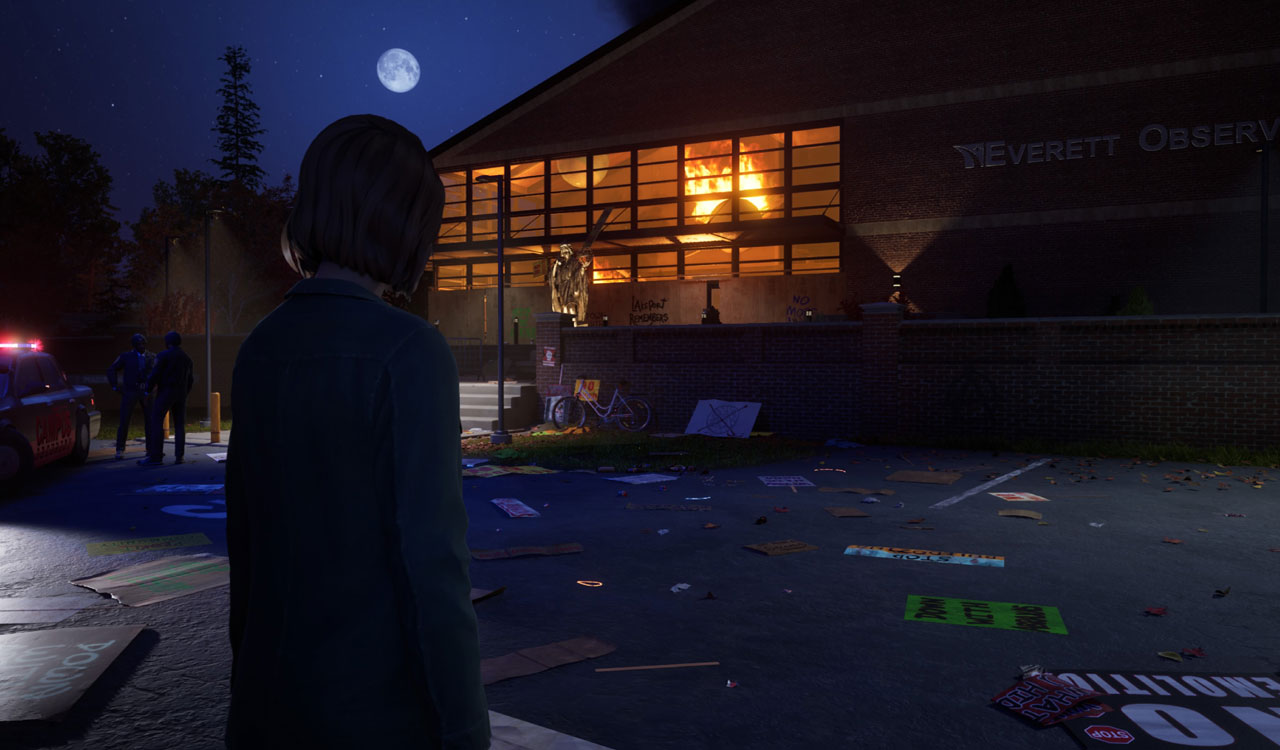
Life is Strange: Reunion brings back Max and Chloe but struggles with a weak story and reduced player choice impact. Despite strong visuals and nostalgia, the game feels disconnected and fails to match the emotional depth of earlier titles.
Published Date – 7 April 2026, 04:55 PM
2015’s ‘Life is Strange’ is one of the most acclaimed narrative games of all time. Set in the fictional town of Arcadia Bay, the game focused on the journey of aspiring photographer Max Caulfield as she made her way through a prestigious photography school and discovered the ability to time-travel.
By relying on a unique “butterfly effect” choice-based narrative system, the game was successful in inviting millions of players worldwide to empathise with the challenges of navigating the world of a teenage girl.
Since the original game, we have received many titles in the franchise, but none has been as endearing as the original. With the Reunion game, Deck Nine aims to reignite that same passion by bringing back two of the franchise’s most popular characters – Max and Chloe.
This is a game for the fans, and the gameplay experience is equal parts nostalgia and fan service. However, that is not all that Reunion is; it is also the successor to last year’s game, ‘Double Exposure,’ and it tries through its plot to cohesively bring together the events from Arcadia Bay with those from Caledon University, Vermont.
Reunion begins with Max returning to Caledon from a trip to New York, only to find the university engulfed in flames. As she helplessly watches her friend Moses succumb to the fire, she relinquishes her promise to never again meddle with time; she focuses on a 3-day-old Polaroid image to rewind time and cancel her travel plans.
Throughout Reunion, the game’s characters and their dialogue are laced with strong emotion, as the bonds and actions from previous games shape the overall experience.
This also means, however, that this isn’t a game for new entrants to the franchise; even for those who are ardent followers, this isn’t a fair reflection of their older journeys, as the game reduces key decisions from prior titles into simple yes/no choices that seem counterintuitive.
In terms of gameplay, not much has changed, as the game remains a “walking simulator” where players must engage with people and objects in order to progress. Max’s ability to rewind time is key to solving problems, but you also get to play as Chloe, and it is interesting to see the world from her perspective.
However, Chloe’s “backtalk” ability isn’t well-implemented, and the novelty of the two protagonists fades quickly because of the weak central premise. The weak central premise also means that throughout the game, you are overusing Max’s ability to rewind time to find the right solution; consequently, there is little need to consider key choices carefully.
Reunion does away with core franchise rules and essential lore in an instant, making the overall experience feel disjointed and unnecessarily convoluted
This is a game I simply cannot recommend because of how great the original game and True Colours were. Stay away from Reunion despite the obvious nostalgia trap.
Sneak Peek:
Title Life is Strange: Reunion
Developer: Deck Nine for Square Enix
Game Type: Single Player Adventure with choice-based outcomes
Platforms: PlayStation 5, Xbox Series X/S, and Microsoft Windows
Price: Rs 2,999 on PS Store, Steam, and Xbox Store
Verdict (all scores out of 10):
Innovative Gameplay: 6
Game Handling & Quality: 7
Value for Time: 6.5
Value for Money: 6
Overall: 6.37
What Stands Out:
* This is the first Life is Strange playable from the perspective of two characters (Max and Chloe). The game has been designed quite well when it comes to the switching of standpoints.
* The game’s gorgeous visuals and wonderful background score and soundtrack are well up to the Life is Strange standard. The chapter structure and voice acting are of a very high caliber as well.
Fails to impress:
* Decision-making and consequence systems are rendered almost redundant by the narrative here. Player decisions from past games seem to carry no bearing on the plot, and similarly, negative choices in this game feel unnecessary.
* The central plot here is weak and only mildly interesting. For a narrative-centric game, there are numerous inconsistencies in terms of the plot, narrative, and character growth.