India kabaddi player Sonali Shingate said structured training and recovery are improving performance at the IIS camp in Bellary. She highlighted how scientific methods are helping players stay fit, reduce injuries, and build a competitive environment within the squad.
Published Date – 31 March 2026, 03:01 PM
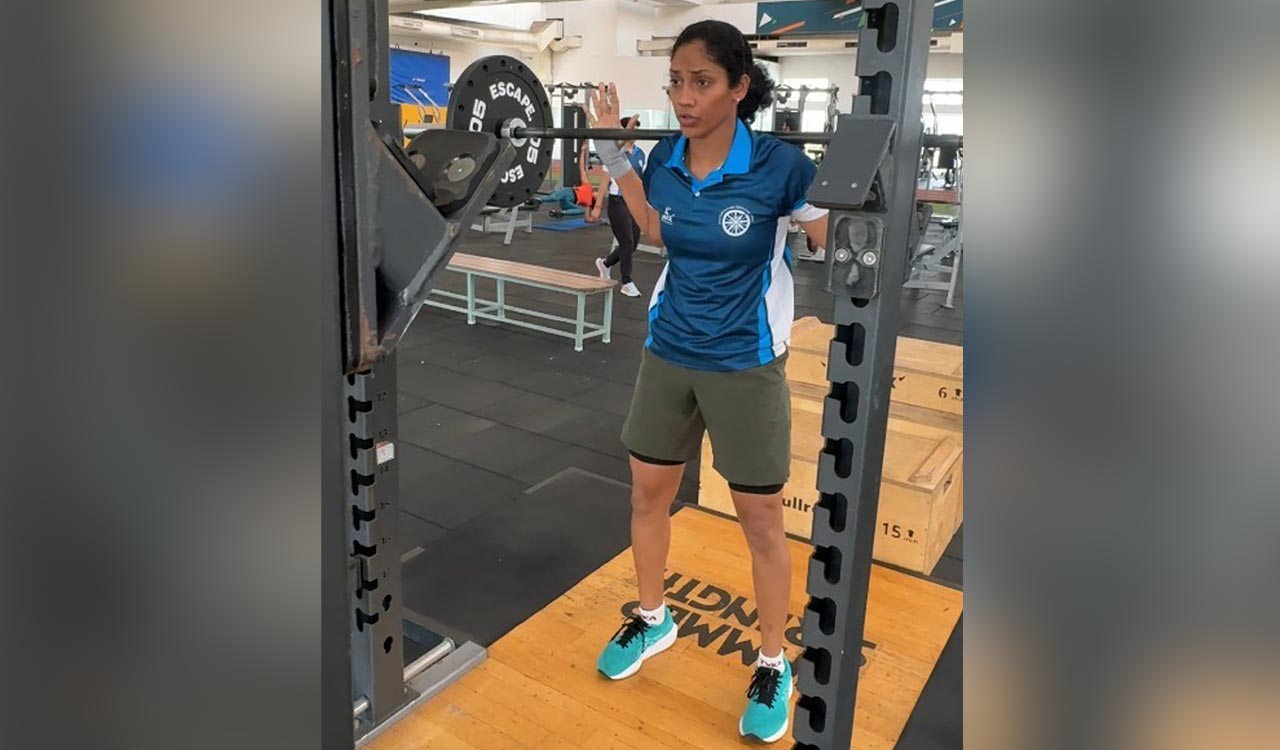
Hyderabad: As India’s women’s kabaddi probables continue their high-performance camp at the Inspire Institute of Sport (IIS), Bellary, experienced all-rounder Sonali Shingate believes the shift towards structured strength and conditioning is a significant step forward for the sport.
A key member of India’s gold medal-winning squad at the 2025 Kabaddi World Cup in Dhaka and the silver medal-winning team at the 2018 Asian Games, Shingate brings valuable experience to the camp, organised by the AKFI and Mashal Sports, blending seasoned internationals with emerging talent.
Reflecting on the sessions so far, she said, “The focus on strength and conditioning here is something new for many of us. It is helping us understand how to train better and improve our overall performance.”
With close to a decade of experience at the highest level, Shingate pointed to the structured, science-backed approach being implemented at IIS since March 27.
“The training is tough, but recovery is equally important, and that is being managed very well here. It is helping our bodies adjust quickly,” she noted.
Coming off a recent second-place finish at the 72nd Women’s Senior National Kabaddi Championship in Hyderabad with the Indian Railways, she emphasised the importance of balancing intensity with recovery in a high-performance environment.
“Earlier, we did not always focus enough on recovery and managing workload, which sometimes led to injuries. With this kind of scientific approach, players can stay fitter and perform better,” she said.
The camp, scheduled to last till April 2, has also fostered a competitive training environment, with younger players pushing established names and vice versa, creating a strong culture of continuous improvement within the squad.
“Training together motivates both seniors and juniors. We push each other to improve, and that healthy competition helps raise everyone’s level,” Shingate concluded.