The Assembly Speaker’s rejection of disqualification petitions against 10 turncoat MLAs may have closed proceedings in the House, but the issue is set to move to the courts. The BRS is expected to challenge the verdict, triggering the next legal battle
Published Date – 13 March 2026, 06:35 PM
Hyderabad: The Assembly Speaker’s dismissal of disqualification petitions against the turncoat MLAs might have ended the proceedings inside the House, but the real fight has only shifted venues. From the Assembly Speaker’s chamber, the battle will in all probability now move to the courts, and that could change the script.
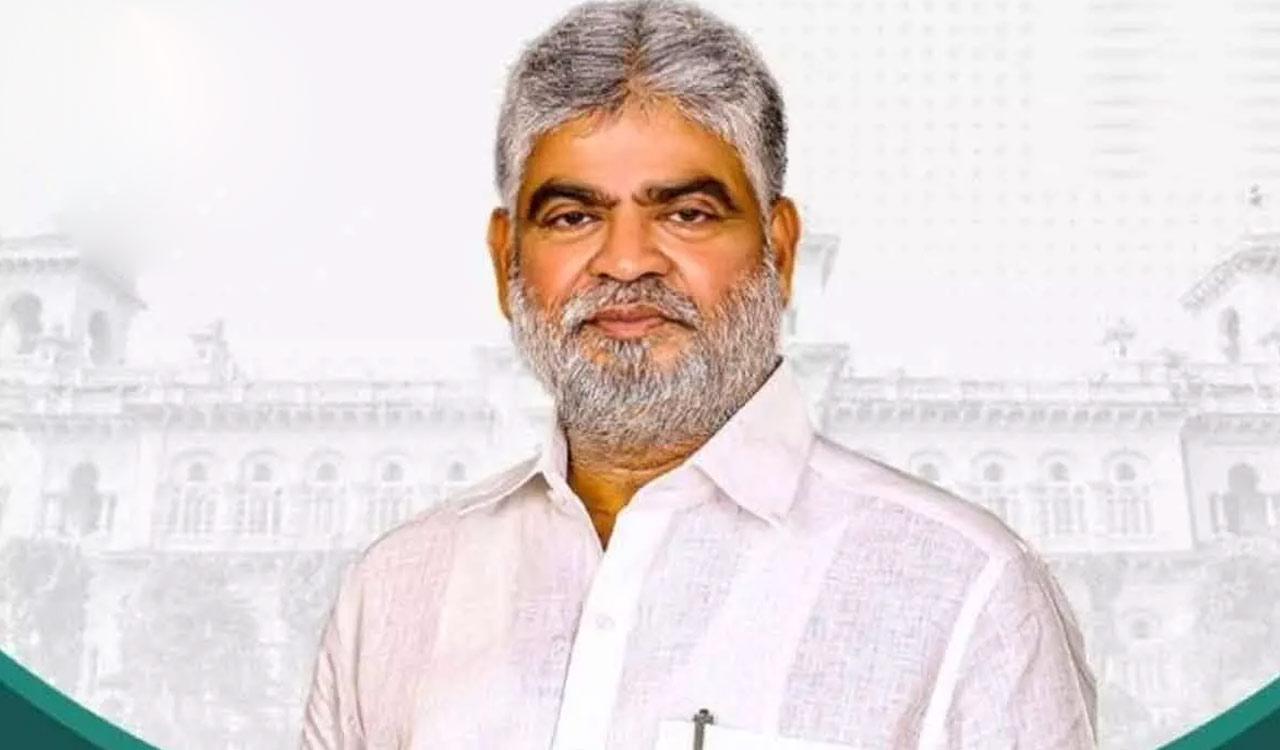
On Wednesday, Assembly Speaker Gaddam Prasad Kumar delivered his final verdict and rejected petitions against all 10 MLAs citing lack of conclusive evidence. The order came after months of delay and only after repeated nudges from the Supreme Court, which had fixed deadlines and asserted that the matter could not be kept pending forever. With the Speaker informing about his ruling, the apex court on Thursday closed its hearing, clearing the way for the next round in the High Court.
However, legal experts point out that the Speaker’s ruling was not final under the Tenth Schedule. “The Speaker functions as a tribunal in defection matters. His orders are open to judicial review, and the High Court can now examine both the delay and the merits of the order,” said a BRS legal cell member, adding that the party was already planning to challenge the Speaker’s verdict.
The delay itself may now come under scrutiny. The Supreme Court had earlier expressed concern over the time taken to decide the petitions and fixed deadlines. “When a decision comes only after court pressure, the courts are more likely to examine whether discretion was used properly,” a former law officer observed.
Politically, the verdict gives temporary relief to the Congress, as the defected MLAs retain their seats for now. But the protection of the Speaker’s discretion available within the Assembly no longer applies once the matter enters the courts, where only evidence matters.
Political analysts observed that this is precisely why the opposition kept pushing for a ruling. “As long as the case stayed with the Speaker, it could drag on. Once the order is passed, the issue moves to judicial forums where timelines are tighter and evidence matters more than political convenience,” they said, pointing out that the defected MLAs must now defend their conduct before the courts.
The BRS is expected to challenge the order, relying on public records such as participation of MLAs in Congress party meetings, photographs, public statements and electoral activity, among others. The courts will have to decide whether such conduct amounts to defection, regardless of the Speaker’s view, which was exactly what the BRS was aiming for.