The verdict in the Delhi excise policy case has given the Bharat Rashtra Samithi fresh ammunition to reiterate its charge of political vendetta, potentially reviving K Chandrashekhar Rao’s argument on misuse of central agencies in high-stakes politics
Published Date – 27 February 2026, 10:22 PM
Hyderabad: The acquittal of all accused persons in the Delhi excise policy case by a Delhi court gave fresh political ammunition to the Bharat Rashtra Samithi, which has consistently maintained that the case was politically motivated.
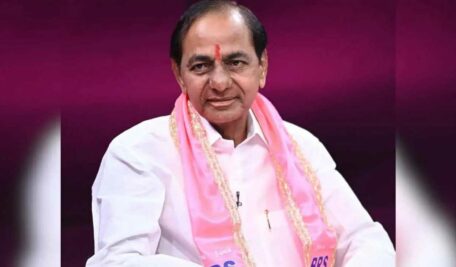
From the outset, BRS president and former Chief Minister K Chandrashekhar Rao had termed the Delhi liquor policy case a manufactured scam, alleging it was orchestrated by Prime Minister Narendra Modi to weaken regional challengers, including himself and then Delhi Chief Minister Arvind Kejriwal.
He had publicly asserted that his daughter Kavitha was targeted to politically corner him at a time when BRS was attempting to expand beyond Telangana.
BJP leaders had begun raising allegations against Kavitha as early as August 2022. She was first questioned by the CBI in December 2022, examined multiple times by both the CBI and the Enforcement Directorate ahead of the 2023 Assembly polls, and eventually arrested by the ED in March 2024, just months before the Lok Sabha elections. She spent over five months in prison before securing bail.
Using her case, both the BJP and the Congress consistently targeted Chandrashekhar Rao and other BRS leaders during both the Assembly in 2023 and the Lok Sabha elections in 2024. Despite these allegations by his political opponents, the BRS supremo repeatedly said there was “nothing in the case” and that Kavitha would emerge unscathed.
The court verdict has now proved that the BRS’ claims of political vendetta stand validated. BRS leaders pointed out that the outcome exposed a pattern of media trials and selective targeting of opposition leaders by the ruling BJP at the Centre and the Congress in the State. They stated that the case was another classic example of the investigative agencies being used as political tools to target the opposition.
Beyond personal vindication, the verdict could revive Chandrashekhar Rao’s broader political thesis that central agencies were increasingly deployed in high-stakes political battles. With regional parties recalibrating their strategies, the outcome will reinforce arguments for greater institutional neutrality and federal balance in national politics.