
As the third round of indirect Iran–U.S. nuclear talks begins in Geneva, the process stands at a decisive juncture. After two rounds that moved from defining red lines to agreeing on guiding principles, attention now turns to whether diplomacy can consolidate technical understandings into a credible draft framework and prevent renewed escalation.
What Has Been Achieved So Far?
The first round of negotiations, held in Muscat amid heightened regional tensions, focused primarily on assessing seriousness and clarifying parameters. Tehran entered the process with a defined agenda: exclusive focus on the nuclear file, recognition of uranium enrichment as a legitimate right, and genuine sanctions relief. The talks were conducted indirectly with Omani facilitation.
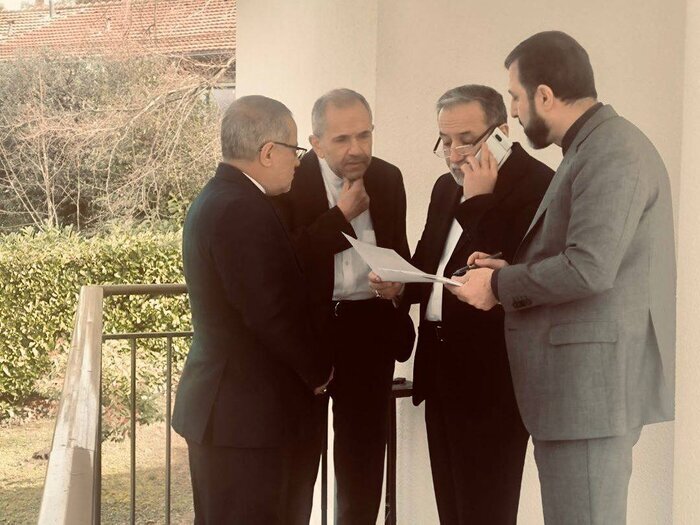
The second round in Geneva marked a substantive shift. According to Foreign Minister Seyed Abbas Araghchi, the parties reached a general understanding on guiding principles that could serve as the basis for drafting a potential agreement. The presence of Rafael Grossi, Director General of the International Atomic Energy Agency (IAEA), underscored the technical dimension of the discussions and the centrality of verification mechanisms in any future arrangement.
Collectively, the first two rounds moved the process from general exchanges toward structured, text-based negotiations.
The third round opens under a dual reality: structured diplomatic progress on one hand, and persistent mistrust shaped by contradictory behavior from Washington on the other.
On the eve of negotiations, Araghchi reiterated Iran’s longstanding position: under no circumstances will Iran seek nuclear weapons, while it will not relinquish its right to peaceful nuclear technology. This reaffirmation aligns with Tehran’s consistent strategic doctrine and seeks to frame the talks within the recognized non-proliferation framework.
Meanwhile, statements from US officials—including remarks in Congress—have introduced rhetorical ambiguity regarding expectations from Tehran. Such contradictions complicate the negotiating atmosphere, particularly given the fragile trust environment shaped by previous developments.
Grossi’s presence once again signals that this round may move deeper into technical-legal drafting. His assessment of progress will also carry implications for upcoming discussions within the IAEA’s Board of Governors.
Tehran’s model in the third round appears to combine strategic flexibility with clearly defined boundaries.
The flexibility lies in its readiness to engage in drafting a technical-legal framework aimed at managing tensions and establishing reciprocal commitments. The boundaries remain consistent: the negotiations must remain strictly nuclear-focused, and Iran’s defensive and regional policies are not part of the agenda.
What Are the Diplomatic Expectations from Geneva?
Two scenarios frame expectations:
A Technical-Legal Draft Framework:
If guiding principles are translated into written provisions, Geneva talks could mark the beginning of a new confidence-building phase. The presence of the IAEA chief strengthens the possibility that verification mechanisms and compliance parameters could be outlined in greater detail.
Escalation Through Diplomatic Breakdown:
Failure to consolidate understandings could deepen uncertainty. However, given the regional cost-benefit calculus and the complexity of initiating military confrontation, diplomacy remains the rational path for all sides.
At this stage, the process is less about political symbolism and more about technical precision and political will. The central question is whether agreed principles can evolve into enforceable commitments that balance nuclear transparency with effective sanctions relief.
A Decisive Test for Diplomacy
Round three is not merely another meeting in Geneva. It is a test of whether structured negotiations—initiated under tension and advanced through cautious engagement—can deliver a viable draft framework.
For Tehran, the objective remains clear: preservation of legitimate nuclear rights, lifting of sanctions, and avoidance of conflict through a balanced agreement.
For the broader region, the outcome will influence stability, diplomatic credibility, and the integrity of the non-proliferation regime.
Geneva now becomes more than a venue—it becomes a measure of whether diplomacy can prevail over escalation.
MNA