The National Medical Commission will introduce anti-doping awareness into medical education and CPD programmes, mandating stricter prescription documentation for athletes.
Published Date – 26 February 2026, 04:55 PM
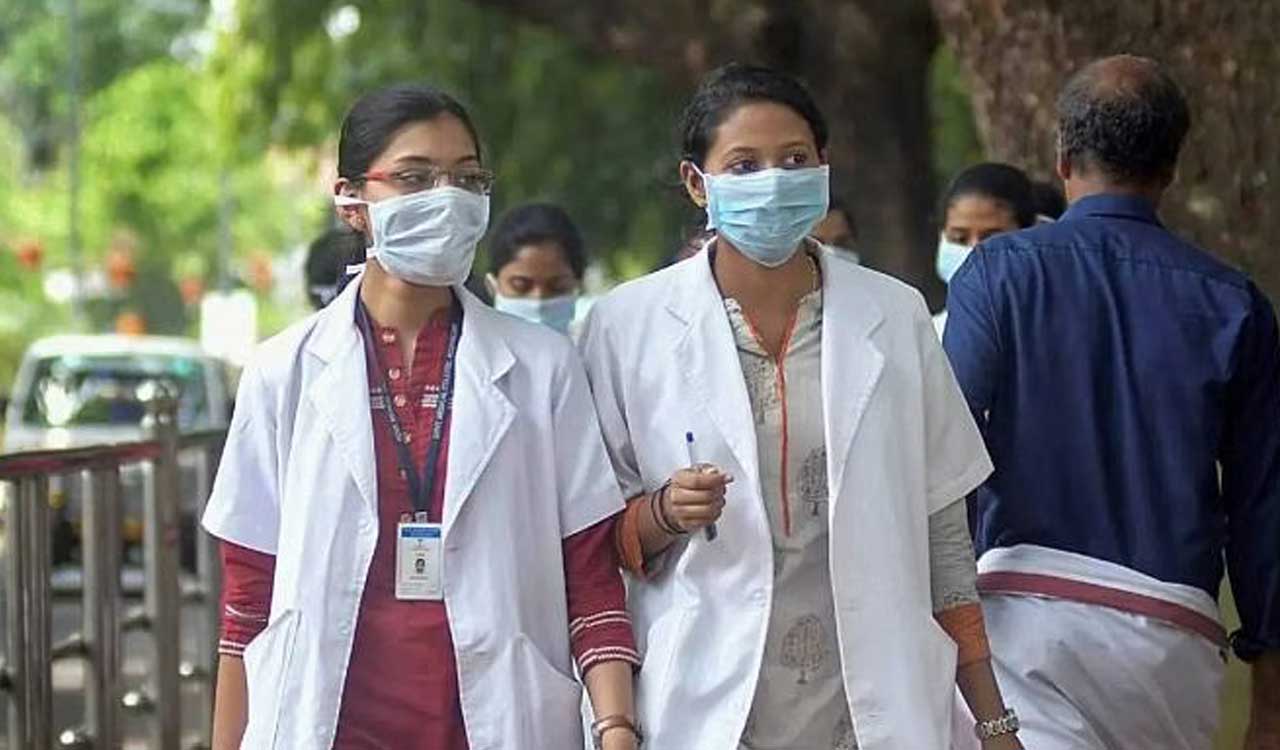
Hyderabad: Medical students in teaching hospitals will now be provided special training to spot prohibited performance-enhancing drugs, aimed at protecting athletes from inadvertent doping and ensuring that future doctors are equipped to act as a first line of defence for athletes.
The National Medical Commission (NMC) is set to integrate anti-doping awareness into the formal medical education curriculum and Continuing Professional Development (CPD) programmes.
From now on, every prescription written for an athlete must be ‘medically justified and meticulously documented’ by doctors in teaching hospitals, based on the new guidelines, designed to prevent accidental doping rule violations.
In a recent advisory, the NMC said that the aim is to integrate anti-doping medicine into the medical curriculum and clean up the grassroots sports scene. The initiative ensures that doctors are adequately sensitised on anti-doping regulations, particularly when treating athletes.
While deliberate performance enhancement remains a concern, a substantial number of violations are now being attributed to accidental consumption of prescription drugs and contaminated supplements.
To combat such challenges, the NMC directed medical colleges, hospitals and Registered Medical Practitioners (RMPs) to enhance their awareness of the World Anti-Doping Agency (WADA) Prohibited List.
Under the new guidelines, medical professionals are encouraged to adopt ‘prudent and responsible’ prescription practices. Medicines containing substances prohibited by WADA are to be prescribed only when medically justified and must be meticulously documented to prevent athletes from facing disciplinary action.
The Ministry of Youth Affairs and Sports, which urged the NMC to intervene on the issue, noted in a circular that athletes, especially at the grassroots and sub-elite levels, were vulnerable to mislabelled or adulterated dietary supplements.
Furthermore, many prescription drugs that are banned in sports are currently being dispensed through both formal and informal channels without adequate regulatory enforcement.